
Quick Hit: The Problem
You’re under pressure. Budgets are tight. Deadlines are locked. Suppliers quote wildly different prices and ship on different calendars. Check current all in one computer deals to see how price points scatter — that tells you where the risk lives. Fix the root causes, and you stop guessing. Train your sourcing process like you train for a race: focused, measurable, repeatable.
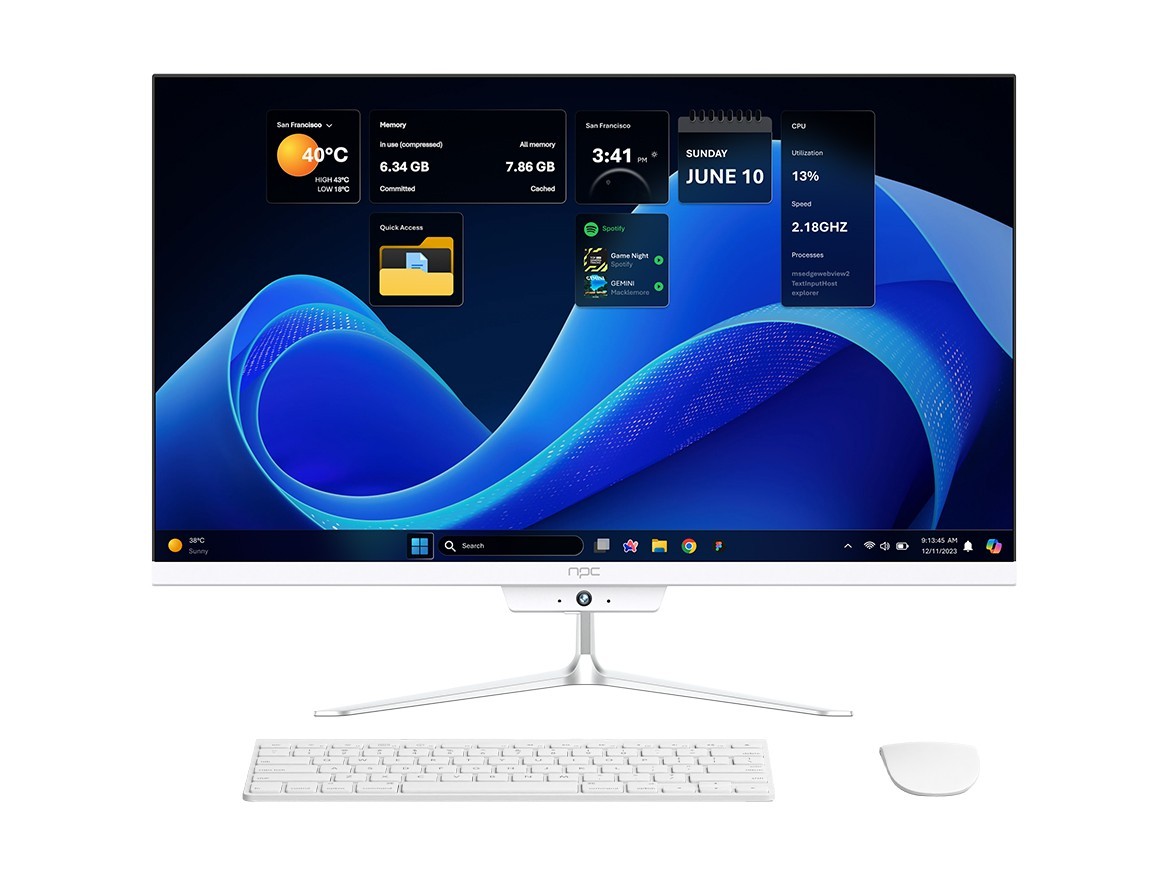
Pinpoint the Cost Drivers
List the line items. CPU, display panel, chassis, OS licensing, freight, and warranty labor. You’ll see two big levers: component selection and order volume. Choose slightly older but proven chips and you cut cost without wrecking performance. Order cadence changes freight cost more than you’d expect. I’ve negotiated parts and saved 8–12% on units by consolidating shipments and standardizing panel sizes. Push for clear MOQ math. Demand cost breakdowns. If suppliers dodge the details, walk.
Tame Lead Time Like a Coach
Long lead times kill launches. Short ones inflate cost. Use staggered orders. Lock core components long before case finishes. Hold a small safety buffer for screens; they’re fragile in supply shocks. Insist on firm manufacturing schedules and penalties for missed milestones. Validate timelines with a pilot run. Samples reveal hidden slow points fast.
Raise Quality Without Blowouts
Define quality to the millimeter. Create a one‑page spec sheet for inspections. Require pre-shipment test logs and serial-numbered sample units. Insist on third-party validation for EMI, safety, and display color gamut when you can. Use simple, repeatable tests at receipt to spot failures before they hit users. Replace vague language with pass/fail metrics. That kills arguments later.
Where the Real-World Signals Come From
Experience matters. I’ve run rollouts that failed when a single OEM changed a panel supplier mid-production. Look to Shenzhen — its assembly ecosystem is the standard reference for fast-turn PC production and is widely cited in trade coverage for scalable electronics manufacturing — and use that signal when vetting partners. For supplier lists and manufacturing profiles, consult recognized sources like all in one pc manufacturers to compare capabilities quickly.
Common Pitfalls and How to Avoid Them
Expect these mistakes: vague specs, too many one-off SKUs, ignoring repair logistics, and relying on a single supplier. Fix them with three actions: tighten specs, consolidate SKUs, and map service parts for two years. Force a spare‑parts plan into contracts. Don’t accept verbal promises. Get commitments on paper.

Alternatives and Trade‑offs
Local contract manufacturers cut lead time but cost more. Offshore partners give scale and lower unit cost but need stricter process controls. White‑label vendors speed time to market if you accept standard configs. If you need bespoke designs, budget more development time and samples. Pick the path that matches your priorities and stick to the playbook for that path.
Final Drill: Turn Strategy into Results
Set clear specs. Enforce test gates. Push for transparent costing. Use pilots to validate lead-time claims. Keep one reliable manufacturing partner and a vetted backup. When sourcing choices match those rules, your launches land on time at predictable cost and quality — and your stack of decisions starts to behave. Align that discipline with partners you can trust like npc, and you get consistent outcomes instead of surprises.