
What usually goes wrong — and why you’re annoyed
Too many brands promise custom batches and deliver blown seams, late shipments or the wrong colours. You know the drill: specs on paper, surprises in the box. That’s the core problem — poor communication plus vague quality checks. If you’re after a specific product like a camera sling bag, those surprises kill trust fast.
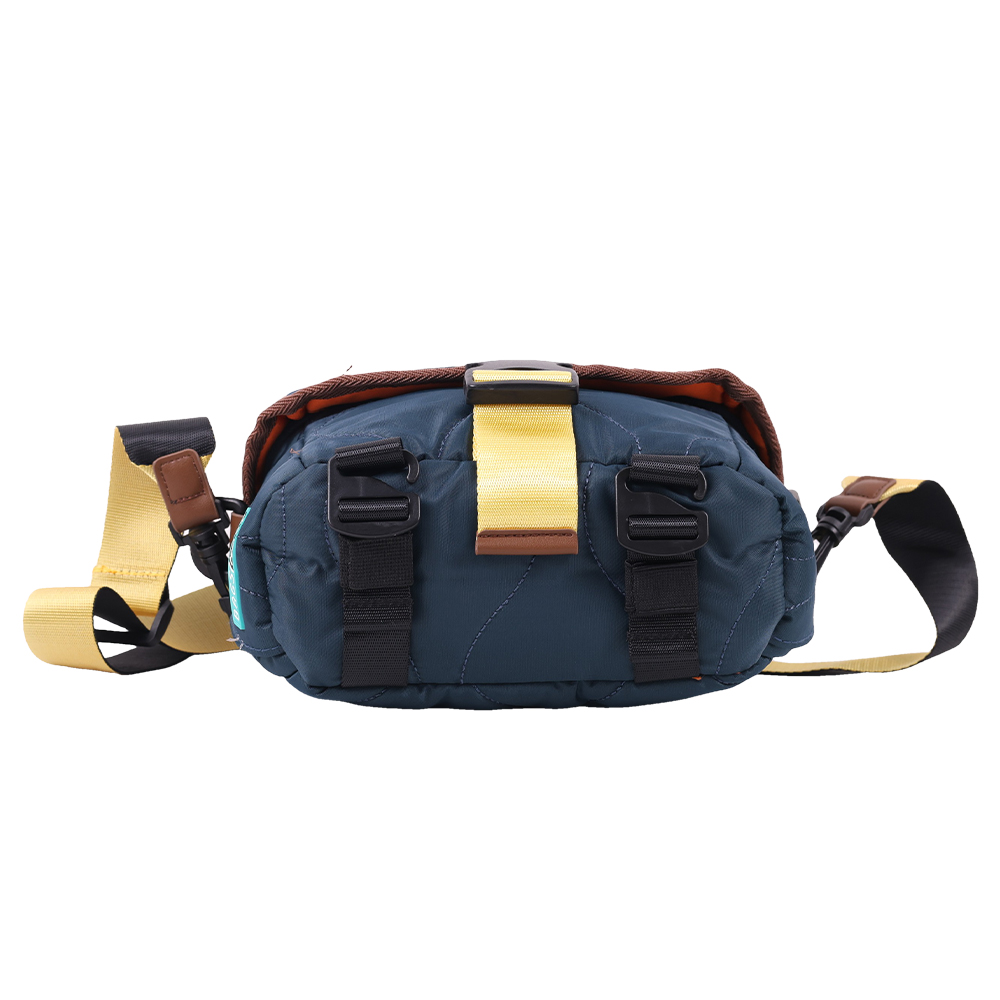
Red flags that mean walk away
Bad signs show early. No clear MOQ (minimum order quantity) policy, sketchy material sourcing, or factories that dodge sample photos — they’ll cost you time and money. Also be wary of suppliers who can’t name stitch counts, seam types, or hardware specs. If they say “trust us” instead of showing test results, that’s not trust — it’s risk.
Specs you should demand and why they matter
Don’t accept vague answers. Ask for fabric denier, coating type (PU, TPU, or silicone), zipper model and MRP (material reference point). Request precise tolerances for dimensions, stitch density, and seam reinforcement. These specs predict real-world durability. For water resistance, insist on proper taped seams and sealed zips rather than just “water-resistant” as a marketing term.
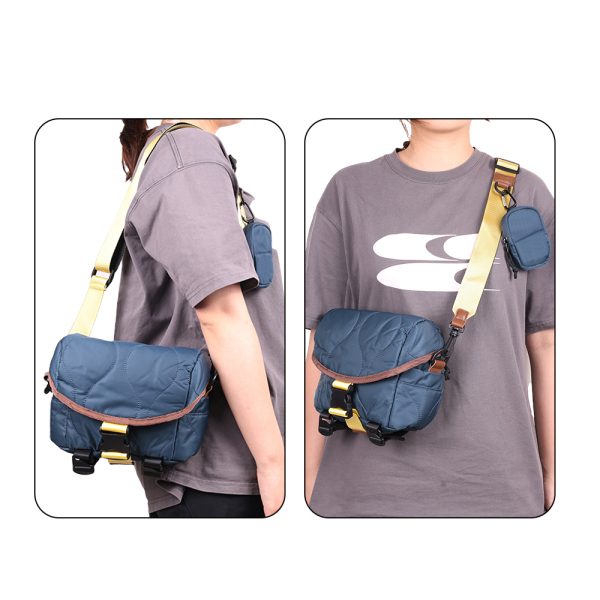
Samples and testing — how to do it without wasting cash
Start with a proto sample, then a pre-production sample. Test them like you mean it: pack the bag full, whip it around, leave it in rain and scrub straps. If possible, use a checklist for wear points — base panel, zipper ends, strap anchors. Small runs are for validating production; don’t skip them because of price pressure. Negotiate a fixed timeline for sample revisions so you get measurable progress.
Common mistakes brands make when choosing a maker
First mistake: picking the cheapest quote and assuming quality follows. Second: failing to lock specs into contract language, so “same as sample” becomes vague. Third: ignoring logistics — a cheap factory a week behind schedule will wreck a seasonal launch. Avoid relying solely on email; ask for short videos, time-stamped photos, and a real contact on the factory floor.
Alternatives and trade-offs — what you might consider instead
Going local gives faster turnarounds and tighter QC but costs more. Offshore manufacturers tend to scale and lower per-unit cost, but expect longer lead times and stricter spec discipline. If you want lower MOQ with decent control, look at nearshore partners. For one-off or artisan lines, consider a maker’s studio where you can inspect each unit personally. Every choice trades cost for control — be honest about which you value more.
Real-world testing and trust
Experience counts. I’ve reviewed suppliers, compared build photos and read quality reports from designers who ship to clients across wet climates. Photographers who work in the Pacific Northwest know how quickly a cheap bag fails during months of drizzle and have pressured makers to use taped seams and reliable closures; that’s why some teams test with a proper waterproof camera bag spec. Ask for evidence of such real-world testing — lab results or field photos — and make sure those tests map to the conditions your customers face.
How to build a short, effective supplier checklist
Keep it tight: 1) Clear materials list with supplier sources; 2) Exact hardware specs and part numbers; 3) Sampling schedule with revision limits; 4) QC pass/fail criteria and remediation process; 5) Shipping and lead-time penalties. Use this checklist during calls and attach it to contracts. Concrete items reduce arguments later.
Negotiation tips that actually work
Pay for a proper sample and treat it like a contract fragment. Split payments: deposit, pre-production approval, and final inspection. Push for penalties only if you need them — sometimes negotiating a QC hold is enough. Build a good relationship by being clear, responsive and fair. People work harder for clients they trust.
Wrap-up — pick a partner that prevents drama
Choose a maker who answers specifics, shows real samples, and understands the use-case you care about. That’s how you reduce surprises, hit deadlines and keep customers happy. A reliable partner that matches specs to testing and stands by production quality makes product launches calmer and more predictable — and that’s the practical value companies like ChangRong bring to the table.