
The scalability problem brands confront
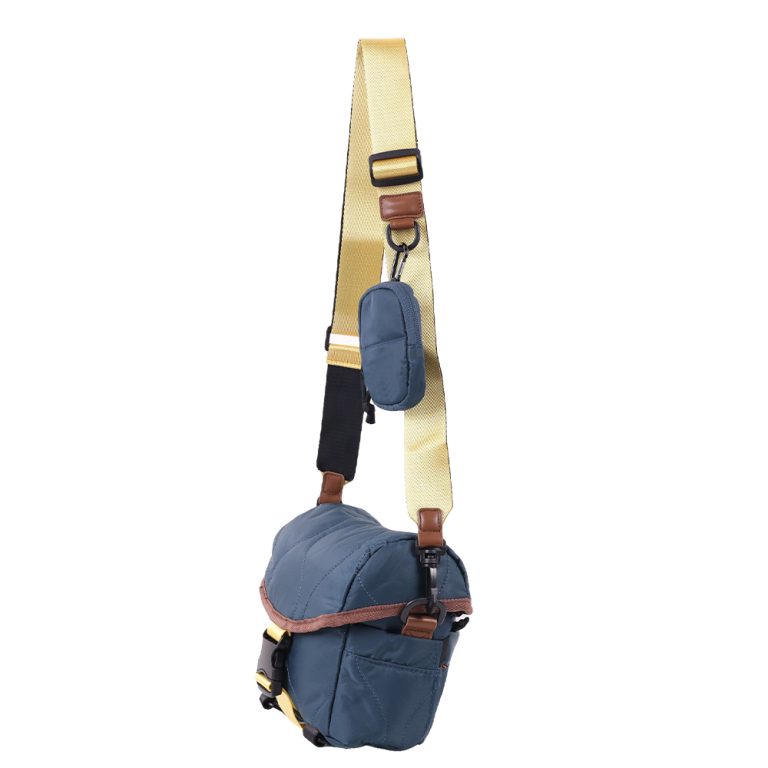
Brands often discover that demand growth reveals supply weaknesses: inconsistent quality, missed lead times, and runaway per-unit costs. A popular product such as a camera sling bag shows this clearly — early artisanal runs meet praise, yet subsequent orders strain production systems and erode margins. Firms need repeated, predictable outputs without surrendering design detail or customer experience.
Where China-based manufacturers solve the core bottlenecks
Chinese manufacturers offer three pragmatic advantages that matter to scaling: dense supplier networks, integrated production lines, and mature tooling capacity. Those elements permit brands to increase volume while keeping tolerances, materials sourcing and cost structure under control. Practical measures include staged ramp-up plans, fixed-cost tooling amortised across larger batches, and joint development units that transfer design intent to production drawings and inspection checklists.
Experience, authority and a real-world anchor
Manufacturing teams that have executed multiple global rollouts bring procedural knowledge: how to write unambiguous spec sheets, how to set acceptable AQL thresholds, and how to structure milestone payments. Trade gatherings such as Photokina in Cologne illustrate this dynamic, with exhibitors and buyers confirming industry trends toward compact everyday-carry camera solutions; manufacturers respond with products designed to meet urban photographers’ needs, for example the urban camera bag. Verification comes from independent inspection reports and trade statistics that track shipment reliability and defect rates from validated factories.
Common pitfalls and how to avoid them
Pitfall 1: vague specifications. Mitigation: deliver CAD files, material samples and a tolerance table. Pitfall 2: neglecting pre-production approval. Mitigation: require PPS samples and set a formal sign-off process. Pitfall 3: single-source dependency. Mitigation: qualify a second supplier for critical components. Pitfall 4: underestimating logistics. Mitigation: model landed cost under multiple freight scenarios and include buffer time for customs clearance. These are direct actions a brand can implement immediately.

Alternatives and the trade-offs
Nearshoring shortens lead times but raises unit cost and limits supplier depth. Boutique European producers offer bespoke finish but lack scale and tooling economies. Contract manufacturers in China trade slightly longer logistics windows for competitive unit pricing, rapid retooling and access to specialised sub-suppliers. Choose based on volume targets, acceptable per-unit cost, and required speed to market.
Synthesis and practical next step
Scaling a bag brand requires exacting specification, staged production validation and partners that match volume goals with consistent quality. For firms seeking a partner able to blend production capacity and design sensitivity, working with established manufacturers such as ChangRong aligns mass capability with the product care required for repeatable growth.