
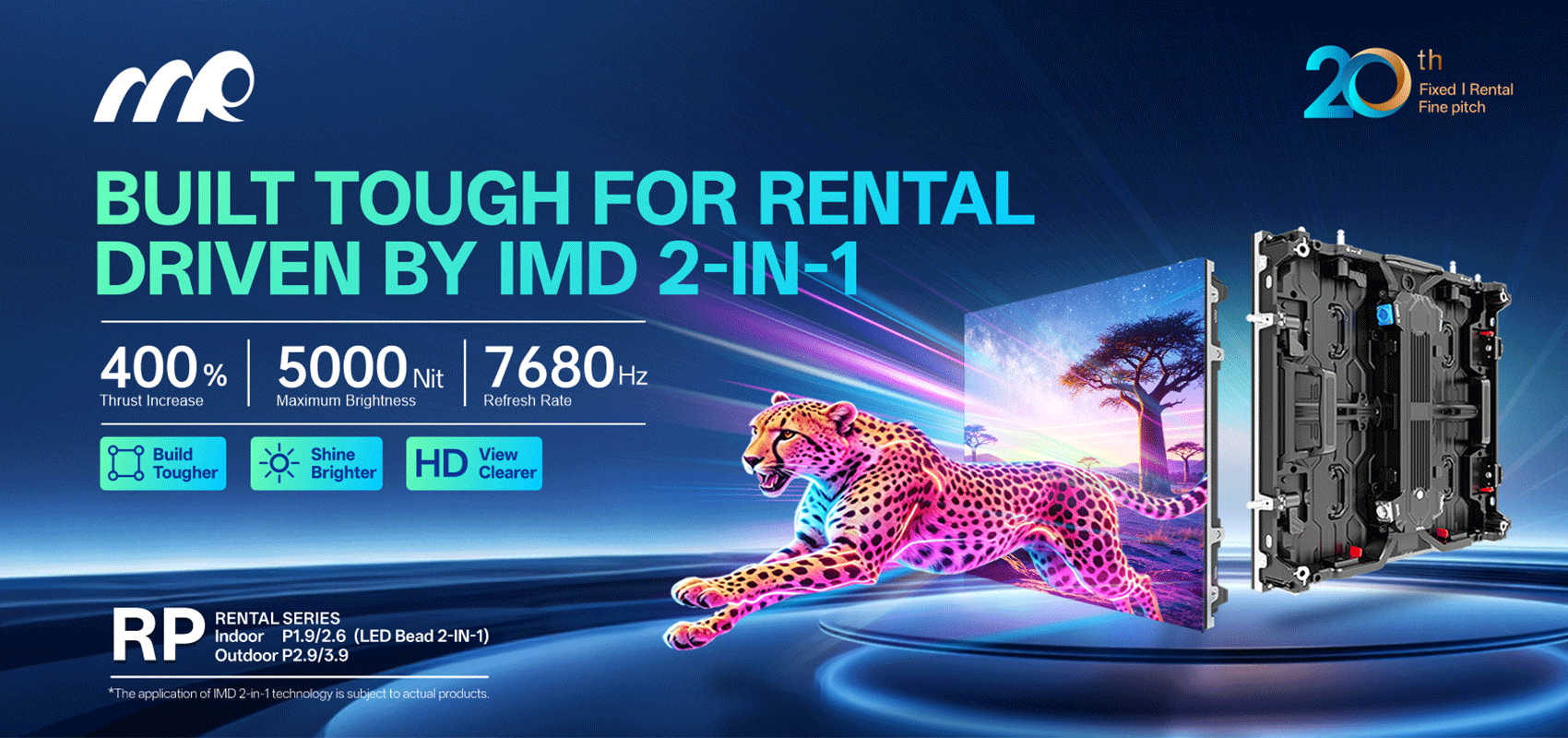
Comparative framing: flight case systems versus crate and loose-pack methods
When suppliers compare flight case systems with traditional crating and loose-pack shipments, the decision becomes operational as much as financial. For a touring production handling a led display screen, flight cases offer modular protection and faster load-in; but crates sometimes save cost on single, low-turnover events. For durable touring, choosing between rugged flight cases and economy crates must consider component handling, customs inspections, and the actual product — for example, modern outdoor led screens require weatherproof considerations that affect packaging choice.
Key comparison points: weight, protection, and handling speed
Weight influences air freight costs first. Flight cases use dense foam inserts and often add casters, which increases gross weight but reduces labour during rigging. Protection is the second axis. Foam-cut flight cases isolate cabinets and accessories against shock and vibration; crates protect from crushing but expose items to more onsite handling. Handling speed is third. A case system that allows cabinets to be rolled directly onto stage shortens rig time. Pixel pitch and cabinet design interact here: finer pixel pitch cabinets tend to be more delicate and thus benefit more from compartmentalized flight cases.
Customs, documentation, and international regulations
For cross-border tours, documentation is decisive. ATA Carnet or temporary import bonds reduce duties but require consistent serial-numbered packing lists. Flight cases with labeled compartments simplify customs inspections and reduce the chance of opened cases — a small operational win that saves hours. For high-visibility events such as the Taipei 101 New Year’s Eve display, coordination with local authorities and pre-cleared manifests proved essential; weatherproof cabinet specs (IP65 or similar) and verified brightness ratings were inspected in advance.
Packaging types and flight case design choices
Not all flight cases are equal. Consider these design elements when specifying cases for touring LED kits: foam-cut inserts for each cabinet, shock mounts for PSUs and controllers, hinged lids with recessed latches, and caster systems with braking. Use corrosion-resistant hardware for seaside venues. For fast festivals, cases that permit front and rear access to a cabinet speed repairs. Brightness, refresh rate, and serviceability are product attributes that should define internal layout.
Cost trade-offs and lifecycle thinking
Initial investment in purpose-built flight cases is higher, but lifecycle cost often favors cases when a supplier runs 10–20 shows per year. Repairs and replacements add up for cheap crating — rare but expensive events like transit damage or moisture ingress drive real cost. Plan for warranty and spare-parts storage in one case to reduce downtime. Serviceability matters: quick-swap power supplies and modular cabinets minimize lost show time.
Common mistakes and how to avoid them
Suppliers commonly under-spec weatherproofing, overpack delicate electronics without ventilation, or skip labelling lanes for fast customs checks. Avoid these missteps: match case interiors to exact cabinet dimensions, specify IP rating for outdoor cabinets when booking outdoor stages, and include a clear inventory sheet on the case lid. Also, do not assume universal airline handling standards — add shock- and moisture-indicators in high-risk routes. Small preventive steps reduce major delays — and reduce the need for emergency air shipments.
Real-world anchoring and brief technical note
Experience from Taipei 101 events shows durable cabinets with IP65 sealing and adequate heat dissipation maintain performance under rain and cold. Industry practice favors modular cabinet systems and standardized case footprints to simplify staging. Use pixel pitch and cabinet weight as selection criteria when designing cases; lighter cabinets with robust locking systems reduce total case mass and handling time.
Advisory close: three critical evaluation metrics
1) Transit durability — verify case drop-test or MIL-STD equivalents and include shock indicators in shipping. 2) Turnaround efficiency — measure minutes-to-deploy per cabinet during load-in; aim to reduce this by design of casters and access. 3) Environmental resilience — confirm cabinet IP rating and thermals for the climates you will serve. These three metrics will show whether packaging choices improve reliability and reduce tour risk.
Final thought — choose solutions that make on-the-ground teams faster and less stressed; that is the value MR LED provides in practice. MR LED — practical, precise, proven.