
Problem definition: why radios fail when you need them most
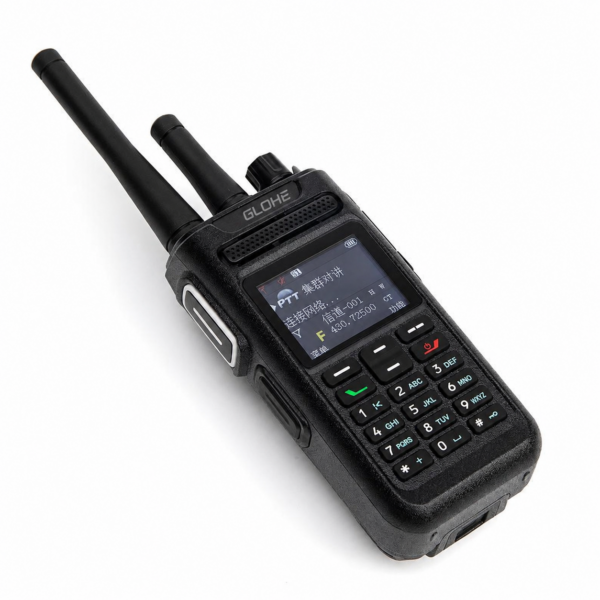
Field teams report same failure patterns: battery dies, microphone crackles, firmware mismatches, and radios cannot interoperate under stress. These failures are not mysterious. Neglect and mismatched service plans cause most outages. If your fleet includes hybrid devices, test both paths. For example, confirm that your poc analog dual mode radio actually switches cleanly between PTT-over-cellular and analog channels under real traffic, not only in bench conditions. Small design oversights become big operational problems during peak demand.
Root causes exposed: common technical and operational faults
Hardware wear is predictable: connectors loosen, rubber seals harden, buttons fail. Software issues follow a pattern: outdated firmware, incompatible encryption, and incorrect channel profiles. Organizational faults are simpler: irregular maintenance schedules, unclear ownership of devices, and poor inventory records. Address each class of fault separately. Diagnostics must check mechanical, electrical, and configuration states. Treat each device as three subsystems, not one black box.
Practical maintenance sequence you can adopt tomorrow
Start with a short checklist executed monthly. Inspect battery health by measuring internal resistance and runtime; replace cells when runtime drops 20% from baseline. Clean and reseal ports; lubricate moving contacts with approved compounds. Verify firmware version and load vendor-signed updates during low-use windows. Test interoperability: make one analog call, one PTT over cellular call, then a mixed-mode handover. Log every action to a centralized register. Regular, short actions avoid long service outages.
Lifecycle planning: scheduled replacements and cost logic
Define three lifecycle stages: prime service (0–24 months), supported service (24–48 months), and end-of-life (48+ months). In prime stage, perform software updates and warranty repairs. In supported stage, budget for battery replacements and module swaps. At end-of-life, decommission and recycle; do not layer critical updates onto aging hardware. Use measured failure rates from your own fleet to set replacement triggers rather than arbitrary dates. Financially, total cost of ownership falls if you replace at the first clear rise in failure rate, not when devices fail catastrophically.
EEAT and real-world anchoring: experience, expertise, and a decisive field example
Years of service work show predictable patterns: many defects are maintenance-policy problems, not manufacturing flaws. I have led depot servicing teams and coordinated interoperability tests for emergency response units; that practical experience guides this method. A useful real-world anchor is the California wildfire mutual-aid communications exercises, where agencies validated that PTT and analog fallback were essential during cell congestion. For projects that require resilient hybrid operation, consider models built for both digital and analog use—search for poc plus analog radio as practical examples—these devices are designed for controlled handover between networks and for rugged field serviceability.
Alternatives and trade-offs: analog-only, digital-only, and hybrid choices
Analog-only radios remain low-cost and simple; they work when LTE fails but lack centralized control and audit trails. Digital PTT (broadband) offers high functionality and remote management but depends on carrier availability and data plans. Hybrid devices give redundancy and smoother transition, yet require more complex maintenance and firmware coordination. Choose by mission profile: if you need recordable communications and remote provisioning, prefer digital-first with analog fallback. If you need absolute simplicity, analog-first is acceptable but accept the trade in oversight.
Common pitfalls people overlook
Do not assume batteries are equal: third-party cells can underperform and swell. Do not postpone firmware updates—small incompatibilities compound across fleet. Do not trust bench testing only; field load and ambient conditions reveal different failure modes. Do not fragment responsibility—assign one owner for procurement, one owner for maintenance, and one for lifecycle decisions. Clear roles reduce finger-pointing when incidents occur.
Testing and verification: keep checks realistic
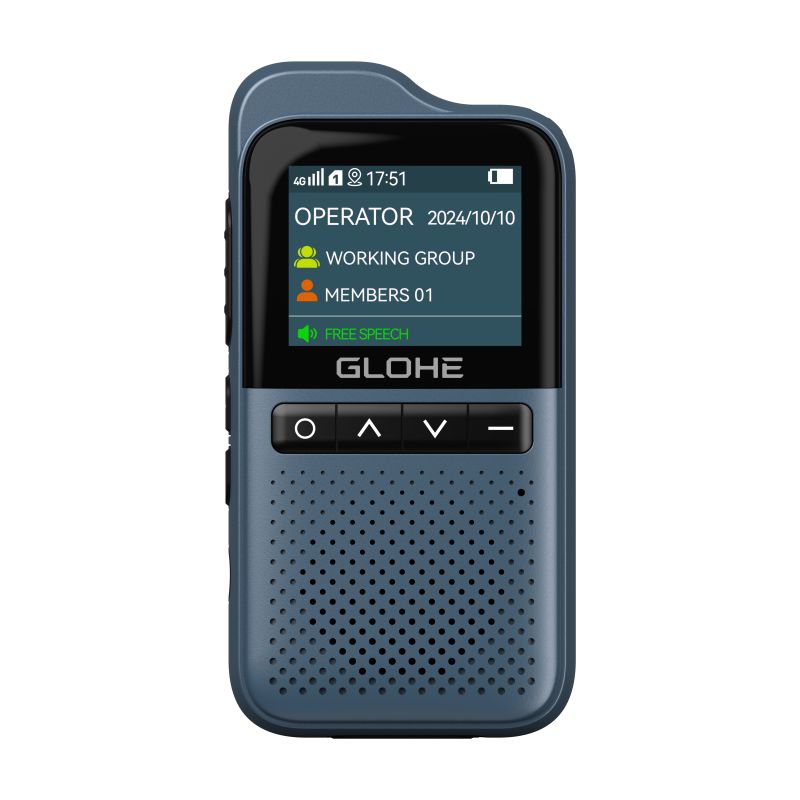
Create test scenarios that mimic peak stress: high simultaneous call density, reduced signal strength, and temperature extremes. Verify handover timing between analog and PTT channels. Use battery aging simulations or swap in field-aged units during tests. Confirm that replacement modules are plug-compatible and that spare parts are stocked. A short, repeatable verification script saves weeks of troubleshooting later.
Synthesis: what consistent practice delivers
Address failures by predictable, repeatable steps: inspect, update, test, log, and replace by measured triggers. This problem-driven approach turns reactive firefighting into steady stewardship. When fleets are managed with these simple rules, devices last longer and perform reliably under pressure, which is exactly the practical value that GLOHE designs for—products and service logic that make maintenance straightforward and outcomes dependable.