
What’s goin’ wrong on the plant floor
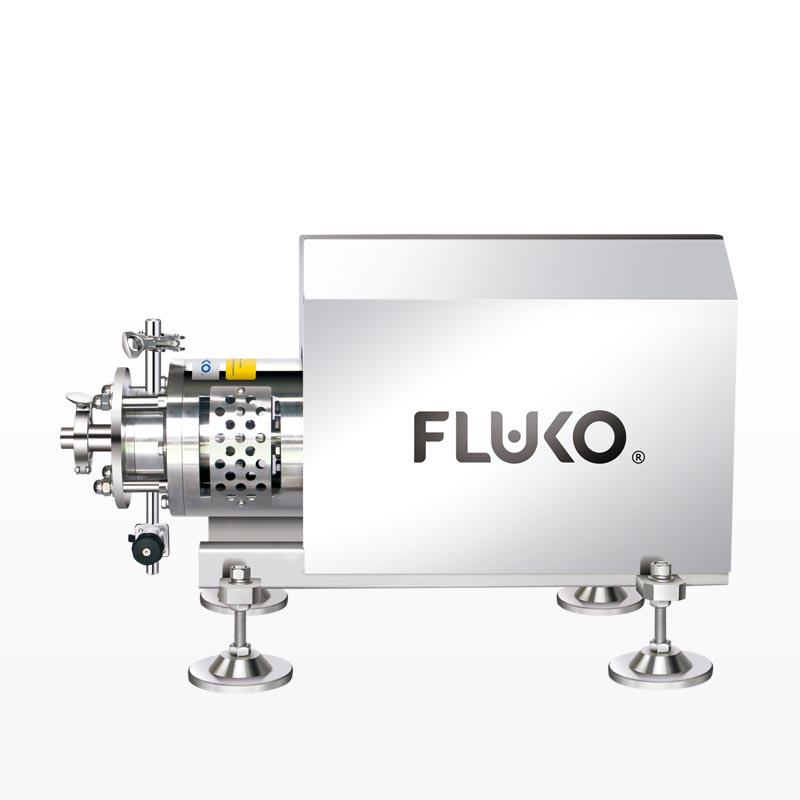
Folks keep buying mixers that promise miracles and then wonder why they’re grit-filled, under-dispersed, or cloggin’ conveyors — and that’s where a proper powder liquid mixer spec should’ve saved the day. The real problem ain’t sexy: it’s mismatched shear, poor powder handling, and nobody verifying scale-up before install. Skip the buzzwords and fix the mismatch between what your recipe needs and what the tank actually delivers.
Three problems that cost you time and product
First, wrong shear profile — you either shred product or never break agglomerates. Second, powder introduction — dumping dry feed into a vortex leads to dust, bridging, and inconsistent dosing. Third, cleaning and validation headaches — welds, dead zones, and inaccessible seals turn maintenance into a week-long affair. Each of these eats uptime and eats margin faster than a busted seal leaks solution.
How to vet suppliers without gettin’ burned
Ask for numbers, then test ’em. Require power draw vs. speed curves, energy dissipation rates (W/kg) at contested RPMs, and vendor-supplied CFD or scale-up evidence tied to your product viscosity range. Insist on FAT footage showing your impeller geometry, and demand spare-part availability for three to five years. Probe for real sanitation details: surface finish spec, gasket materials, and whether the drive can be isolated for CIP. If they won’t provide measurable data, they’re selling hope, not equipment.
Real-world cred: what I’ve seen and why it matters
I remember a panel at ACHEMA where engineers compared pilot runs and everyone agreed: lab performance that doesn’t show pilot-scale repeatability is useless. That practical standard’s why I always ask for pilot results using the exact powder mixer model or a close analogue — you want evidence that the vendor’s claims survive the jump from bench to plant. Real tests beat glossy brochures every time.
Common pitfalls and the fixes that actually work
Buying too-small motors: size by required torque at max viscosity, not by lab RPM. Using a general-purpose impeller: match impeller type to task — dispersers for wetting, toothed rotors for stubborn agglomerates. Ignoring powder feed strategy: use vacuum or screw feeders with wetters to prevent lumps. Overlooking validation: build FAT/SAT into the contract with recipe runs. And don’t forget material compatibility — a cheap coating today becomes a contamination headache tomorrow.
Viable alternatives worth considerin’
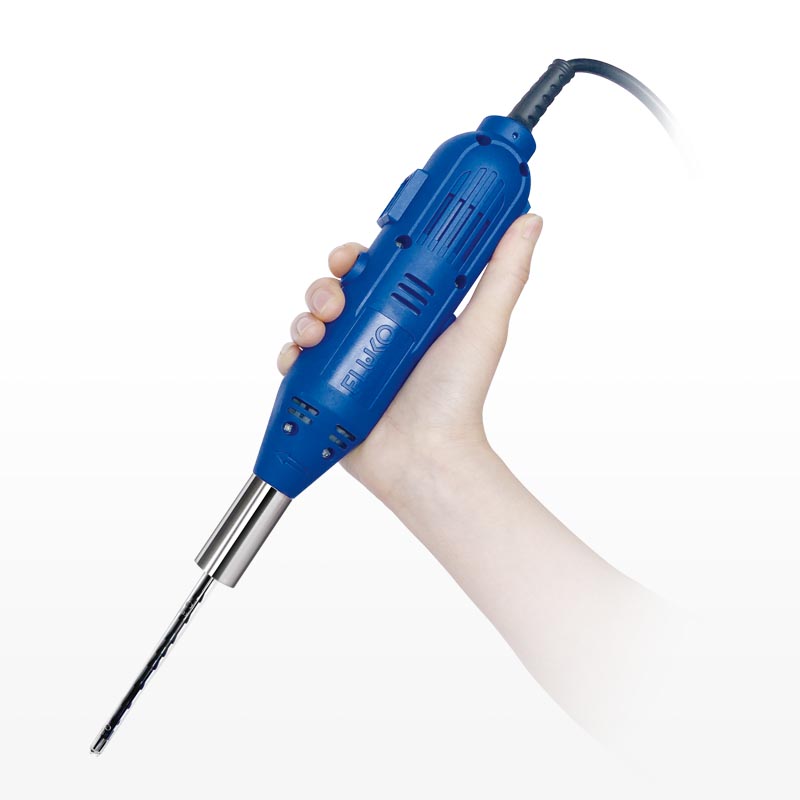
Rotor-stator units shine for tight emulsions at smaller throughputs; Nauta or conical screw mixers are better for gentle blending and heat-sensitive solids; ribbon or paddle mixers suit free-flowing powders but won’t cut it for fast dispersion. Compare by matching throughput, required particle breakup, and cleaning demands — pick the simplest machine that meets those needs, not the fanciest.
Bottom line
Figure the problem first: what’s failing, why, and how much margin you’re losing. Use measurable specs, insist on pilot or FAT proof, and tighten powder-feed and cleanability requirements. Do that and you’ll end up with a machine that behaves on day one and still behaves five years later — the kind of reliability I’ve come to expect from FLUKO.