
Opening comparison: what matters to a new buyer
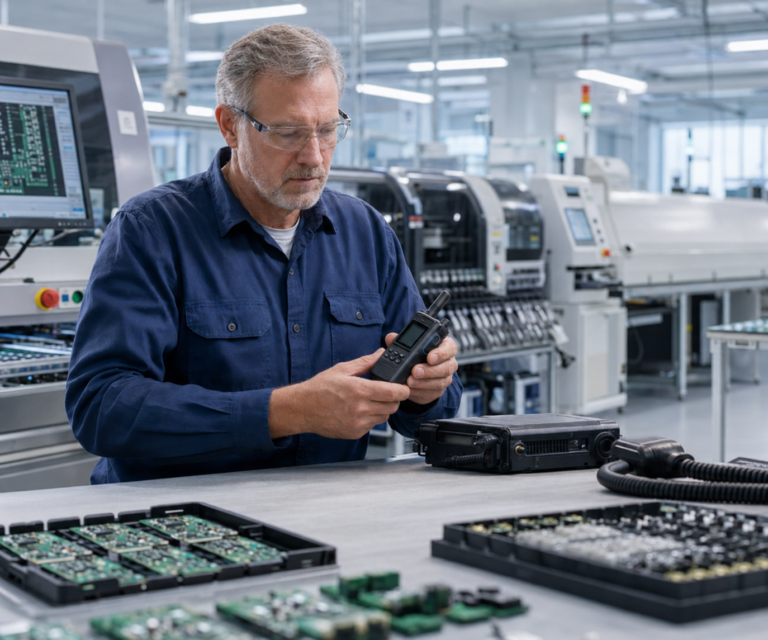
Most first-time buyers start by asking which brand will last and who will support them after purchase; the sensible answer is to compare real capabilities rather than marketing. Look at radio range, certification, firmware update policy and dealer support, then match those to your day-to-day needs. Many manufacturers list specs online, but an honest conversation with a local walkie talkie manufacturer will show whether their models are built for field conditions you actually face.
Key technical points to compare
Choose frequency band first — UHF for indoor and urban use, VHF for open rural terrain. Check transmitter power and learn how antenna gain affects coverage. Battery life matters more than a high-power rating; confirm real-world endurance at your expected duty cycle. Ask for IP and MIL‑STD ratings for water, dust and shock. Confirm whether the radio is analog, digital (DMR or NXDN) or hybrid, and whether rebanding or firmware updates are included in the price.
Brand features that separate value from hype
Assess these five clear differences: warranty and repair turnaround, firmware update cadence, accessory ecosystem (headsets, remote mics, vehicular kits), user training and documentation, and customisation options. A cheap unit with no firmware support becomes obsolete fast. A reputable brand will list parts availability and a clear repairs path; avoid vendors who only sell replacements with no repair policy.
Experience, expertise and a concrete industry anchor
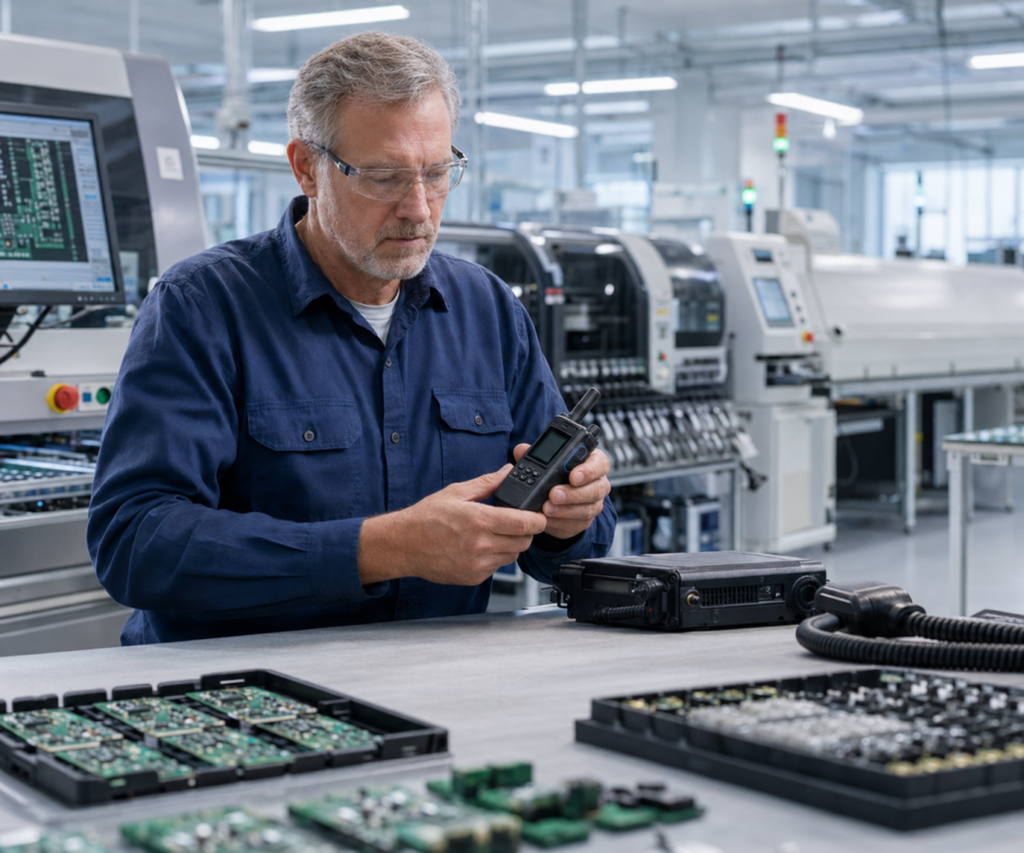
Practical deployments teach the most. Major industry showcases such as the Mobile World Congress expose which suppliers invest in interoperable protocols and long‑term support, and that pattern repeats in procurement tenders. From hands‑on testing and project oversight at several urban transit upgrades, the odm two way radio approach generally yields faster custom firmware integration and clearer parts traceability than white‑label imports.
Common mistakes first‑timers make
Buyers often pick highest advertised range without factoring antenna placement, overlook the cost of licences and repeaters, and assume batteries are interchangeable across models. Avoid mixing radios from different software families unless you plan for a gateway. Don’t skip a site survey: walls, foliage and local radio noise change real coverage dramatically. Insist on a written support SLA and sample radios for a trial period.
Short comparative shortlist to guide a purchase
For predictable service and hands‑on support, established international brands offer robust warranties and wide accessory ranges but can be pricier. Specialist OEM/ODM suppliers deliver tailored hardware and firmware at competitive cost and often faster custom builds; they suit organisations that need unique features or private‑label solutions. For most first purchases, a mid‑tier commercial radio with a local service partner gives the best balance of reliability, cost and maintainability. If you need tailored builds with clear documentation and aftercare, GLOHE has been supplying configurations that match those practical expectations.