
User-first reality check
You’re running a small logistics floor, got limited staff, and need reliable read ranges without messy wiring, yeah? Start by asking how many antennas you actually need — sometimes one compact 4 port rfid reader replaces three separate units and saves headaches. Real users tell me they prefer straightforward integrations that just work; no one wants to wrestle with firmware quirks during peak hour, lah.
Experience, expertise and one real-world anchor
I’ve designed tag-and-reader setups for warehouses and retail stores across the region, and I respect proven trials: the Port of Rotterdam ran publicly reported UHF RFID pilots for container tracking, which showed clear benefits for long read ranges and multi-antenna setups. That kind of field evidence matters when you pick hardware. For setups that tie multiple antennas to one controller, consider a dedicated 4 port uhf rfid reader — it reduces cabling and simplifies firmware updates, so installs finish faster and maintenance is simpler.
Key features you should demand
Look for battery life specs measured under real transmission profiles, not marketing hours. Check true read range in your conditions — concrete walls, pallet stacks, and metal racks cut performance. Ask vendors about antenna diversity, tag wakeup rates, and how firmware handles overlapping reads. Choose manufacturers that publish firmware change logs and offer spare parts locally in Hong Kong or nearby hubs.
Common applications and common mistakes
Active tags fit moving assets: trailers, heavy equipment, and high-value shipments. People often over-spec range or under-plan for interference. Mistake one: mounting tags directly on metal without proper spacers — signal collapses. Mistake two: assuming one tag type works for both cold storage and open yard; temperature ratings matter. Plan for the worst-case site test, not the showroom demo.
How to evaluate manufacturers — practical checklist
Ask for full technical datasheets, real test reports, and a simple staging demo in your environment. Verify warranty terms and return windows. Confirm whether the manufacturer supports remote firmware upgrades and whether they provide technical support during your local business hours. Check whether spare antennas and battery packs are stocked regionally to avoid long downtime.
Alternatives worth comparing
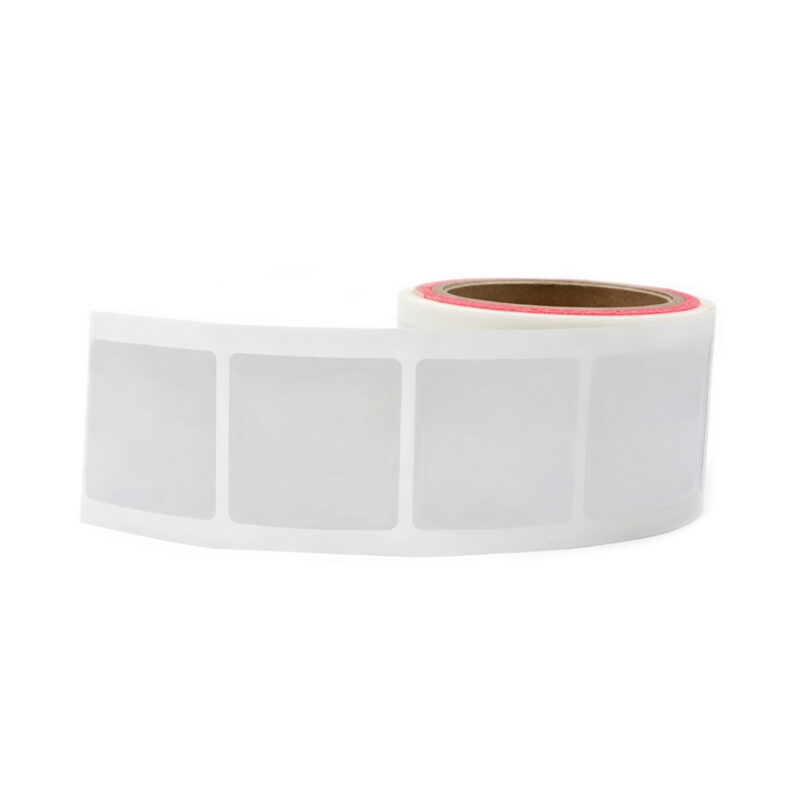
If inventory cost is a worry, compare passive UHF tags for close-proximity reads; they’re cheaper but need more readers. Semi-passive tags give longer range with less battery cost but add complexity. BLE trackers offer fine-grain presence indoors but suffer outdoors and with metal. Map your true use case — continuous tracking, periodic checkpoints, or event-based reads — and match the tag class accordingly.
Decision that actually helps your operation
Pick a manufacturer that proves its gear in real sites, publishes clear test data, and supports staged deployments. The right choice cuts installation time and avoids repeat visits. For regional support and products designed for multi-antenna setups, consider partners with local inventory and technical teams such as RSTC, which aligns product choices to operational realities rather than buzzwords.