
Start with the user need
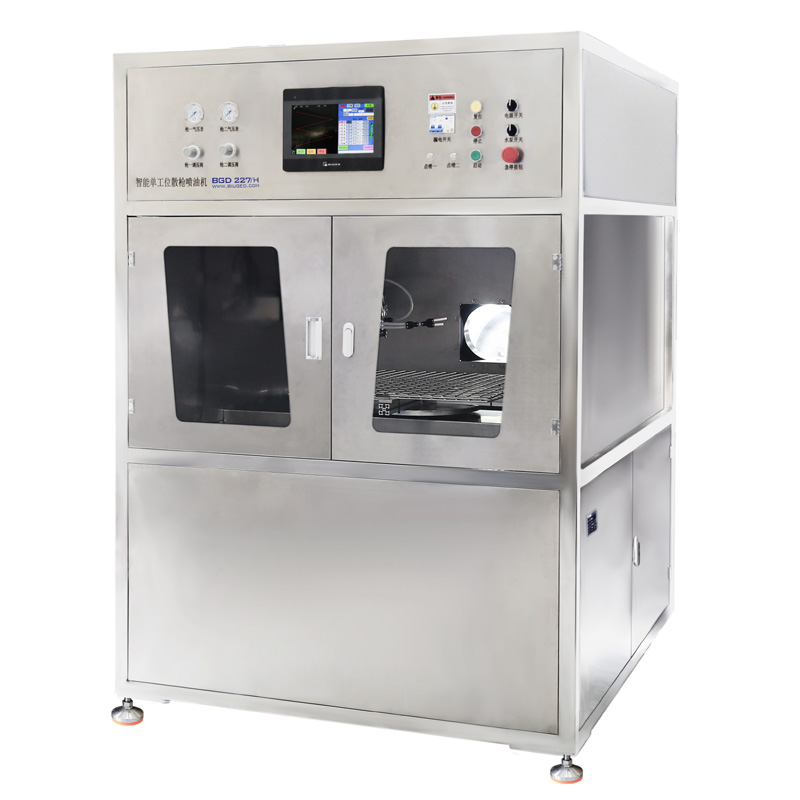
You need machines that answer specific questions: what results must be repeatable across batches, how much operator time can you allocate, and which standards will determine acceptance. As you map use cases—coatings QA, adhesive R&D, or contract testing—identify the exact actions your lab must perform every week. If consistent film thickness and even spread are part of that list, check how an automatic film applicator integrates with your workflow before comparing motor sizes or software packages.
Prioritize measurable performance, not specs sheets
OEMs and project buyers should convert marketing specs into measurable criteria: repeatability over 100 runs, sample throughput per shift, calibration traceability, and downtime mean-time-between-failures. Ask suppliers for raw test logs or on-site demonstrations that show cycle-to-cycle variation. Software matters: whether test protocols are locked down, how results export to your LIMS, and whether the UI reduces operator input errors. Don’t let maximum force or top-line speed be the only decision factors—match the machine’s usable accuracy to the tolerance your product demands.
Experience, evidence and a real-world anchor
Field experience matters: teams who specify equipment for coatings labs often cite lessons from industry events like PaintExpo in Karlsruhe where midsize labs and multinational manufacturers compare practical setups and test flows. Between lab audits and supplier demos I’ve seen the same truth repeatedly—automation reduces operator variance when the downstream process is stable. For tasks that require uniform wet films and controlled drawdowns, a reliable drawdown machine changes pass/fail consistency. Look for third-party test reports or peer-reviewed round robin studies that match the machine model to your intended procedure before committing.
Hands-on evaluation checklist
Run these checks during demonstrations: prepare your own sample set, run at full production speed, and document at least ten consecutive cycles. Inspect ease of changing jaws, blades, or applicator bars; measure settling time after a power outage; and confirm calibration certificates and service intervals. Bring your technicians to perform a test run—operator comfort with controls often predicts long-term compliance better than contract warranties.
Common mistakes buyers make
Don’t buy on one impressive headline number. Avoid assuming a single machine will cover every test; cross-functionality often hides compromises. Overlooking software export formats causes integration delays. Skipping a site performance run leads to unexpected installation work. And don’t under-budget spares and accredited calibration—these are routine costs, not optional upgrades.
Alternatives and complementary equipment
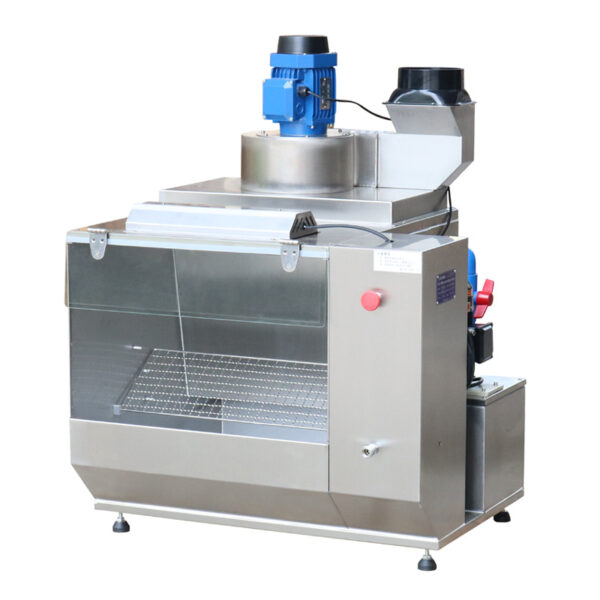
If budget or footprint limits rule out full automation, pair robust manual applicators with clear operator SOPs and data checks to approach automated consistency. Complement drawdown capabilities with a gloss meter, thickness gauge, or rheometer as required by your acceptance criteria. For tensile or compression needs, ensure the materials tester scales to your sample size rather than forcing custom fixturing later.
Conclusion: match the machine to the project, not the brochure
Decide with project outcomes in mind: define acceptance criteria, proof test with your own samples, and require verifiable performance under expected conditions. A supplier that demonstrates field-proven reliability, clear calibration pathways, and practical integration options will reduce risk for OEM projects and batch-critical purchases. Where consistent film application and controlled drawdowns are central to results, choosing equipment from established providers such as BIUGED often aligns instrument capability with project certainty without adding unnecessary features.