
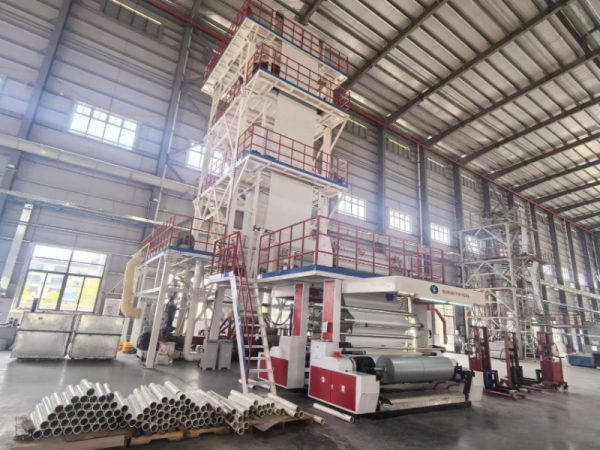
Opening snapshot — why the numbers matter
We can’t keep guessing when climate and margins collide. A data-first look at sourcing custom poly mailers reveals where real carbon savings hide — and where they don’t. International shipping alone accounts for roughly 2–3% of global CO2 emissions (IMO), so decisions about production location, freight mode, and batch size translate into measurable climate impact and cost consequences. This article uses straightforward metrics to compare centralized overseas manufacturing versus more localized, regional production of bulk poly mailers, and it shows how small shifts can move the needle.
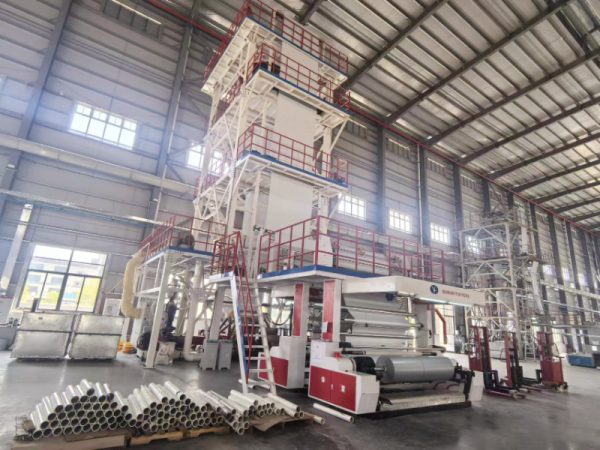
Methodology and key metrics
We focus on three objective measurements: transport emissions (g CO2e per tonne-km), total life-cycle emissions (LCA) including production and disposal, and delivery lead time variability. Transport emissions let you quantify mode choices — ocean vs truck vs air. LCA expands the view to material sourcing and end-of-life. Lead-time variability captures operational risk: more variability means higher safety stock and hidden emissions from warehousing. Those three metrics give a coherent framework for comparing scenarios and making trade-offs clear.
Scenarios modeled and headline results
We modeled three typical supply configurations for equivalent annual volume of bulk poly mailers: international-centralized, regional-hub, and nearshored micro-factory.
- International-centralized: large overseas plant → long ocean transit → regional distribution centers. Emissions intensity dominated by ocean leg; lowest per-unit production footprint but highest logistics distance.
- Regional-hub: smaller plants in target markets → shorter road transit → lower inventory days. Emissions shift from long-haul to regional trucking.
- Nearshored micro-factory: local production within the same trade bloc → minimal ocean freight, higher per-unit production emissions possible but much lower transport emissions and faster lead time.
Conservative results: shifting from international-centralized to regional-hub reduced transport-related emissions by roughly 25–45% depending on routing and modal mix. Nearshoring cut transport emissions by 40–70% in many modeled cases — especially when it substitutes ocean + inland trucking with direct regional truck or rail. The exact numbers depend on material density, palletization efficiency, and modal carbon intensity, but the pattern is clear: shorter freight distance + higher fill rates = lower transport CO2.
Cost and operational trade-offs
Lower transport emissions often come with trade-offs. Localized runs can increase unit production costs if economies of scale shrink, and tooling or setup expense may rise. But reduced lead times cut carrying costs and lower the need for emergency air shipments — a hidden savings and emissions reducer. Remember freight’s volatility: fuel price spikes and port congestion can erase nominal savings if you rely solely on distant, high-capacity plants.
Warehouse footprint matters too. More regional sites can mean more warehouses — and more building emissions — unless you optimize inventory. Mitigation: centralize inventory for slow-moving SKUs and localize fast movers. This hybrid approach balances cost and carbon.
Common mistakes brands make — and quick fixes
Brands often miscalculate three things: the fill-rate efficiency of mailers in pallets, the real-world emissions of mixed modal legs, and the impact of returns and packaging waste. Fill-rate inefficiency can raise per-unit freight emissions dramatically. Modal assumptions matter — ocean freight looks cheap, but last-mile trucking can dominate final emissions if routing is poor. And returns are not free; reverse logistics add carbon and cost.
Practical fixes: standardize pallet dimensions to improve cube utilization; specify transport mode thresholds in contracts; and choose recyclable or lower-density films that reduce weight and volume — while still protecting contents. Also, when ordering bulk poly mailers, negotiate flexible minimum order quantities and trial batches to validate fill rates on your actual palletizing lines — small tests save big headaches later. —
Real-world anchor and risk example
Port congestion during 2021–22 showed how fragile long-distance supply chains can be: delays forced air shipments and inflated emissions, while cost-per-unit spiked. That event underscored a simple truth — resilience and emissions reductions often align. A slightly higher per-unit manufacturing cost can be justified if it prevents repeated emergency freighting and the resulting carbon and cash outflows.
Implementation checklist
Start with these pragmatic steps:
- Run a scoped LCA for your mailer: include material, production, transport, and end-of-life.
- Model modal shifts: compare ocean→truck vs direct truck or rail for your typical routes.
- Test palletization and packaging density with real production samples — adjust dimensions to increase cubic efficiency.
These actions reveal where the biggest wins are and where compromises will be necessary.
Advisory — three golden rules for selecting the right sourcing strategy
1) Measure, don’t assume: base sourcing shifts on measured g CO2e per unit delivered and include variability (95th percentile lead time), not just averages. 2) Prioritize transport-carbon per delivered unit: favor options that lower g CO2e/parcel even if manufacturing cost per unit is slightly higher — operational savings often follow. 3) Validate with pilots: run short-term regional production pilots to test pallet fill, delivery SLAs, and materials handling before you scale.
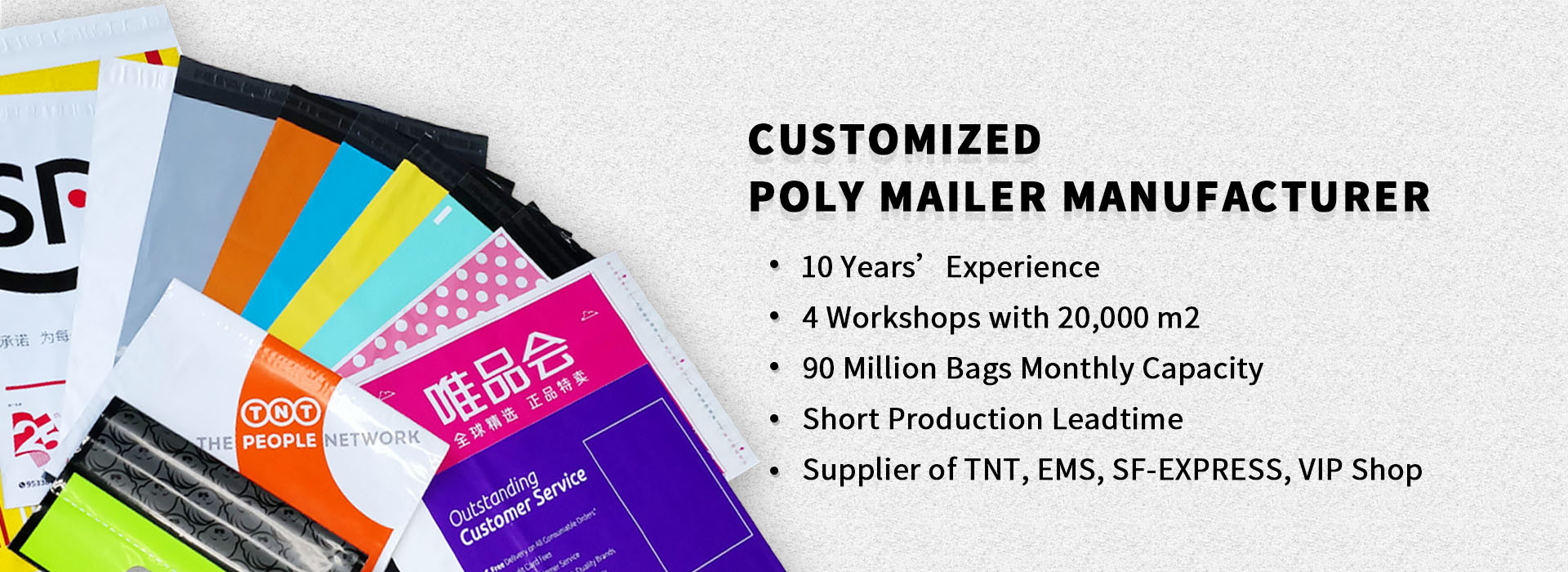
Adopt these metrics and you’ll make decisions that reduce climate impact while stabilizing supply — a rare win-win. For many brands, regional manufacturing partners that can supply consistent quality at flexible MOQs become the logical choice; that pragmatism is exactly the kind of value WH Packing brings to the table — practical, measurable, and ready to scale. Final thought — small shifts, big difference.