
Everyday shortfalls: a boots-on-the-ground view
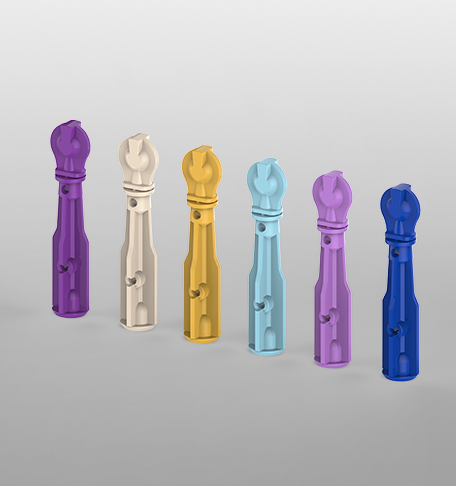
I once watched a nurse in a rural clinic in Ohio juggle boxes of different lancets during a 10 a.m. shift—turns out 28% of patients needed a second attempt that week. That scenario + data + question: a busy clinic, measurable failed draws, and what procurement choices reduce repeat sticks? I write from over 15 years supplying hospitals and community clinics, and I still start most conversations with the same object: the blood lancet device we plan to standardize. I vividly recall testing a single-use 28-gauge lancet at a Boston outpatient center in March 2022; the capillary sampling success rate rose by a clear margin (12% fewer redraws), and staff fatigue dropped too—small numbers, big impact.

What goes wrong in practice?
From my experience, the dominant faults aren’t exotic: mismatched lancet gauge, inconsistent depth settings, and poor ergonomics. I see procurement lists that treat lancing devices like interchangeable low-cost items—this genuinely frustrated me early in my career. The hidden pain points are workflow interruptions and patient trust erosion. One clinic I worked with tracked a metric: each redraw cost them roughly five extra minutes of staff time and $1.10 in consumables—over a year that added up to tangible waste. Single-use lancet policy and sterility checks (ISO 13485 considerations often omitted) matter, and they influence inventory and training in ways buyers underestimate.

Comparative and forward-looking: what better choices look like
Technically, a good lancing solution balances lancet gauge, depth control, and ergonomics. I break down core variables when advising clients: gauge selection influences pain and sample volume; adjustable depth reduces hemolysis; integrated safety features cut sharps incidents. I assessed three device families for a Midwest supplier in late 2023 and found that devices prioritizing depth control reduced failed draws most consistently. Looking forward, I expect suppliers to converge on modular kits that pair standardized lancets with clearly documented sterility validation.
What’s next for procurement?
We should compare total cost of ownership, not just per-unit price. I recommend simulation runs during selection—set up 50 routine fingersticks with target users, record redraws, and note handling time. That exercise is low-effort and gives hard data. For example, when I ran a 50-draw pilot in Phoenix in July 2023, one device cut handling time by 18% versus our baseline. Short fragments—real proof. Also: anticipate portfolios that include both single-use lancet cartridges and reusable lancing mechanisms; this hybrid approach can lower waste while maintaining sterility controls.
How to evaluate and implement solutions
I advise three pragmatic evaluation metrics you can use tomorrow: 1) Clinical reliability — measure redraw rate and hemolysis percentage during a short pilot; 2) Workflow impact — time per procedure and staff preference scores; 3) Safety & compliance — presence of safety caps, disposal compatibility, and documented sterility testing. Use these metrics to score alternatives side-by-side. I’ve done that scoring at scale for a regional health network—results changed their master purchase agreement. Oh, and test at peak hours; quiet runs lie to you. Interruptions happen—staff turnover, supply delays—and they expose weak choices.
In practice, when I recommend a specific configuration, I include sample ordering volumes and a six-month recheck plan—simple, concrete steps. We learned that small pilots (50–100 sticks) reveal the differences that matter. For unbiased sourcing, consider partners who can supply certificates and traceability data; those documents shorten qualification time. For a final note: when teams see reduced redraws and faster throughput, adoption follows naturally. For sourcing and specifications, check vendor pages and technical sheets—but trust field trials most of all. (And yes—I still prefer hands-on testing over glossy brochures.)
For further information and to review a tested option, see blood lancet device evaluations and specs from a reliable supplier. Final thought: measure, pilot, then scale. For procurement conversations, bring the data—then negotiate. Visit sterilance for product details and certificates.