
Reading the brief with a cook’s eye
You start by tasting the client’s brief: color temperature like broth, viewing distance like the bite size, ambient light like the seasoning. Your job is to translate a mood into pixels, and that begins with one clear question — who will stand before this screen and what will they need to read, feel, or remember? For installations that curve, wrap, or fold, consider a flexible led screen early; its bend and grain change how content breathes and how viewers move around it. Keep decisions sensory: brightness should feel comfortable, motion should feel natural, and contrast must let detail snap.
Recipe for prototype: components, pitch, and rhythm
List components like mise en place. Decide pixel pitch by viewing distance: finer pitch for up-close portraits, coarser for stage-wide gestures. Choose driver ICs for refresh and grayscale — motion must be silk, not grainy. Pick cabinet materials that control thermal taste; heat dulls color. Mock up content on test rigs, then stand back and watch the scene the way an audience member would. If audio pairs with visuals, tune timing so the beat and frame arrive together, not offset.

Taste tests: user trials and sensory validation
Invite real users for quick runs. Watch their squint, their instinct to step left or right, the moment they point. That’s where requirements meet reality. Run tests at different times of day and under varied ambient lighting. Ask specific tasks: can they read small text? Do faces retain natural skin tone? Note accessibility — some viewers perceive color differently; ensure information doesn’t rely on a single hue. Record results, then iterate until the experience reads consistently across viewers.
Authority from the field: a clear anchor
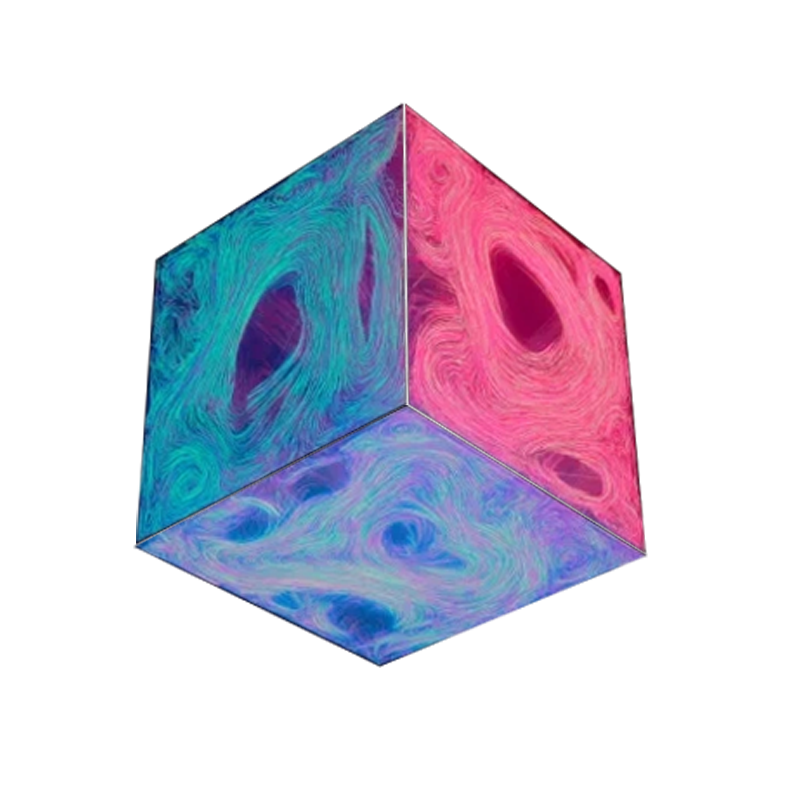
Major events reveal what works. At CES in Las Vegas many large-format installations use modular led cubes to sculpt space; their scalability and modular choreography are widely reported and studied. My hands-on work with festival staging and retail rollouts echoes that pattern: modular systems accelerate iteration, reduce site surprises, and reveal cabling and cooling issues early. If you’re evaluating modular options, examine how led display cubes perform under repeated assembly, exposure, and color calibration — that endurance test separates prototypes from production-ready solutions.
Alternatives and common mistakes
Compare options without fluff. Projection loses punch in daylight. MicroLED is breathtaking but often costly for large sets. LED tiles win for bright environments and repeatable color. Avoid these mistakes: over-specifying brightness that blinds, underestimating maintenance access, skipping color profiling after installation, and trusting a single installer without a runbook. Each error adds time and dulls the final image.
Packaging the experience for delivery
Delivery is logistics and ritual. Pack for protection, document serials and calibration profiles, and hand over a short uptime checklist. Train the on-site team with two quick drills: power-up sequence and a rapid color check. Leave a set of spare modules and a wiring map. Warranty terms are plain language: list what’s covered and how to contact support. That transparency keeps the image crisp long after the debut.
Final plate
Your brief becomes a scene when you balance technical choices with how people will sense the screen. Prioritize readable contrast, stable motion, and maintainable assemblies. That blend of craft and process delivers a reliable outcome your client can rely on, and the practical work I’ve described is what teams expect from experienced manufacturers like HDC.