
The central problem
Buyers routinely confront a single, stubborn problem: visually similar structures conceal vast differences in long‑term performance. A well‑intended specification can fail to protect a project from wind fatigue, water ingress, or premature electrical faults. When selecting a photovoltaic pergola, you must treat appearance as an unreliable proxy for durability and insist on measurable standards instead.
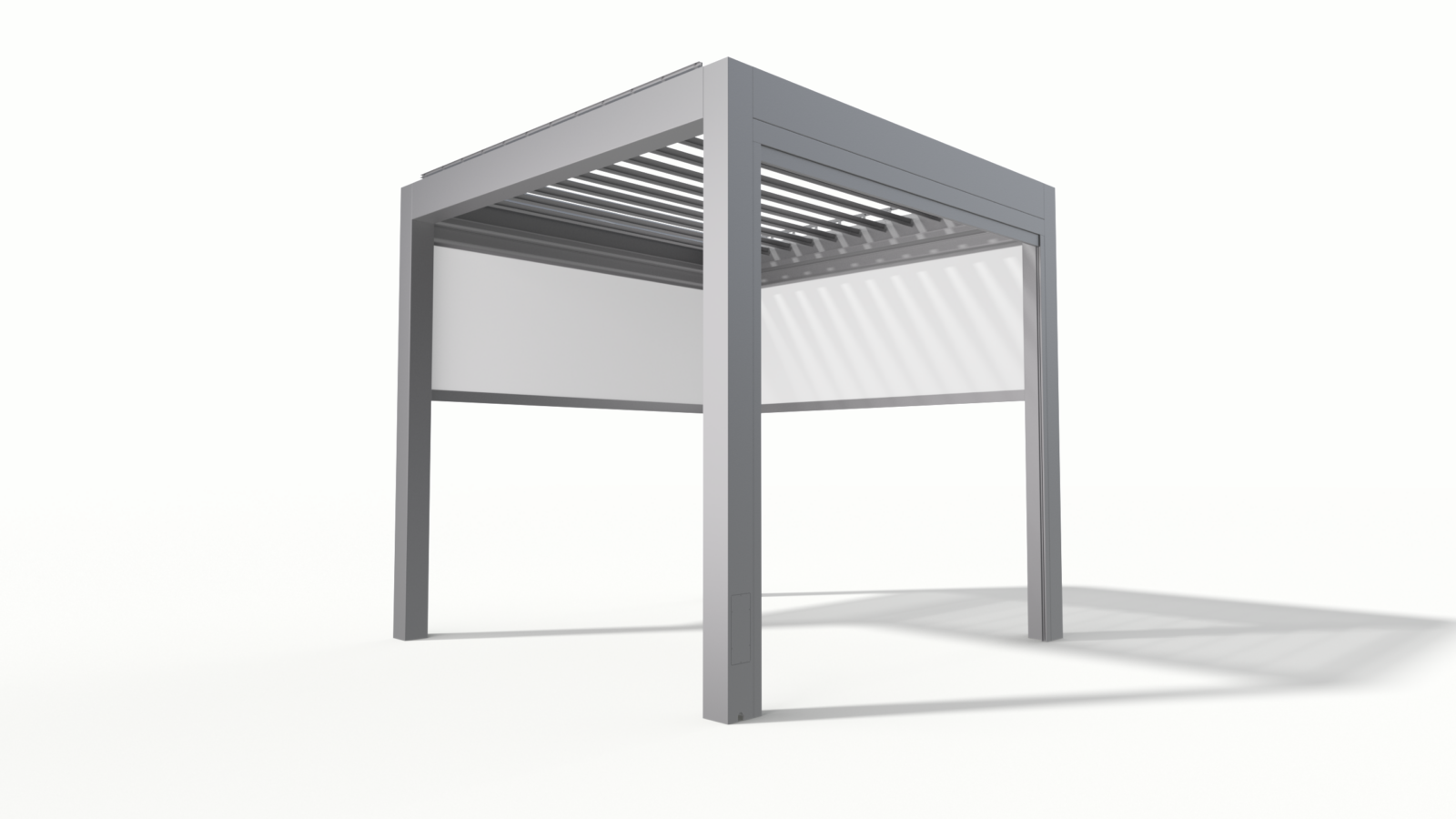
Core failure modes to address first
Begin by naming what commonly goes wrong: structural fatigue under cyclic wind loads, corrosion at panel mounts, thermal stress at panel interfaces, inverter and junction box failures from moisture, and poor electrical protection against surges. Each of these is avoidable when you require explicit design margins, proven materials, and clear maintenance pathways. Ask for design wind speed ratings, galvanic compatibility statements, IP ratings for enclosures, and a documented strategy for drainage and condensation management.
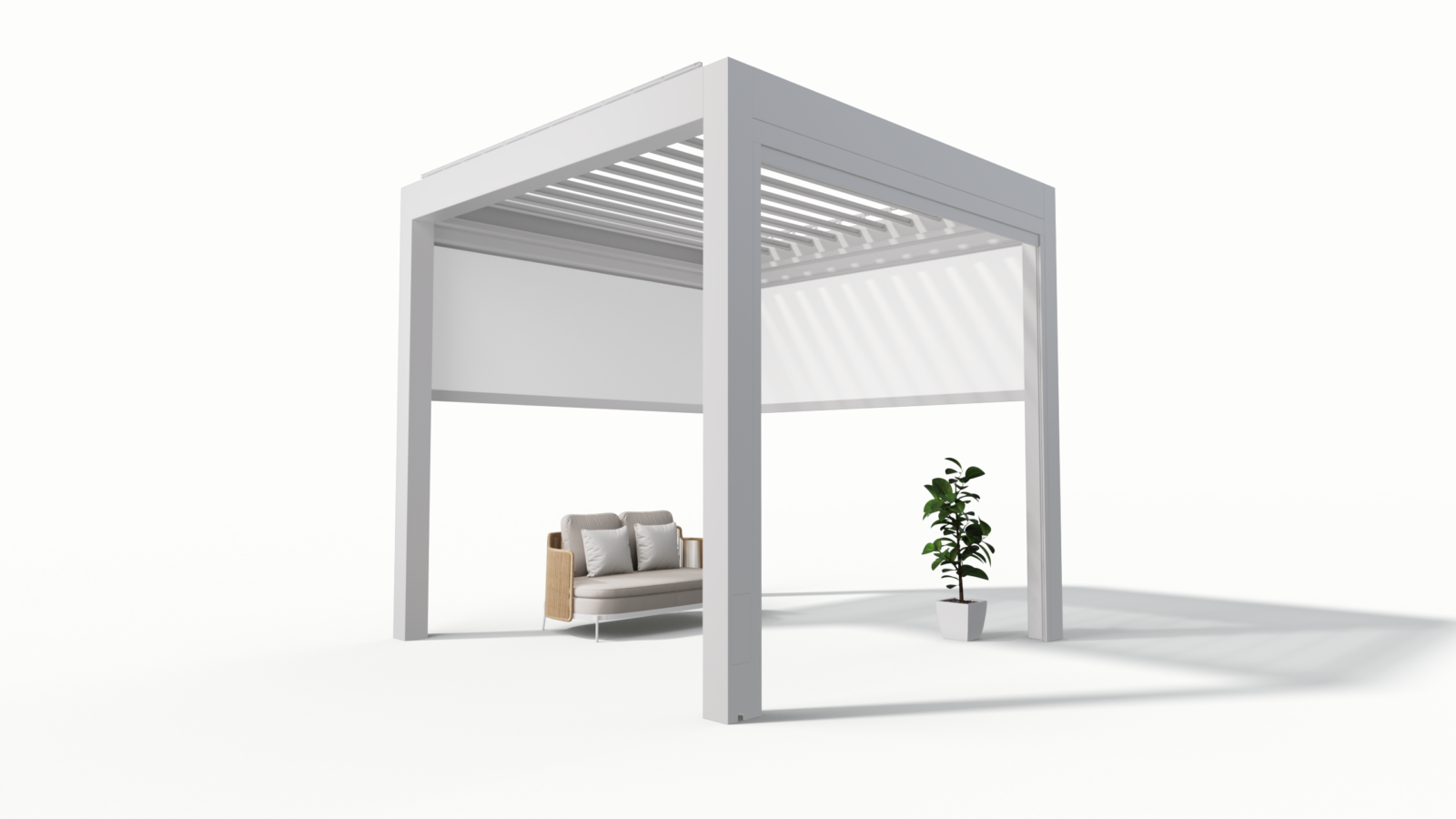
Technical checkpoints that reveal reliability
Demand evidence rather than promises. Verify PV module performance with IEC/UL certifications and an independent IV curve test. Check that the structural frame cites relevant EN or ASTM standards and includes fatigue analysis where wind exposure is high. Insist on a listed inverter and surge protection devices, and require cable routing diagrams with UV and abrasion protection specified. Confirm warranty scopes with transfer clauses and defined failure modes, and confirm spare‑parts availability for both electrical and mechanical components.
Experience, authority and a real‑world anchoring point
From long practice reviewing rooftop and outdoor PV integrations, I have seen specification gaps translate into routine callbacks. Installers and compliance officers in California, where Title 24 energy regulations shape many rooftop and canopy projects, commonly address those gaps when they mount a motorized louvered pergola to ensure both performance and code compliance. Seek documentation of local code coordination, and ask for test records from comparable climate zones to confirm the design performs under expected thermal cycling and precipitation.
Common procurement mistakes
Avoid three recurrent errors: (1) accepting generic warranties without defined remedies and performance thresholds; (2) specifying nominal power without accounting for real‑world losses (soiling, shading, temperature); (3) neglecting mechanical interfaces—bolts, seals, and gaskets—that dictate long‑term weatherproofing. These are not minor omissions; they determine whether the installation delivers expected output and resists degradation over a decade.
Alternatives and trade‑offs to weigh
Fixed canopies reduce moving parts and simplify electrical routing; motorized louvers offer dynamic shading and often higher occupant comfort but introduce actuators, control wiring, and additional maintenance needs. Evaluate lifecycle cost, not just upfront price: add expected maintenance intervals and probable replacement parts into your financial model. Where access is limited or exposure is severe, prefer simpler mechanical systems with higher specification grades for fasteners and coatings.
A practical checklist before sign‑off
Require: independent PV performance test reports; stamped structural calculations with design wind and snow loads; IP67 or better for outdoor electrical enclosures where appropriate; galvanic compatibility statements for mixed metals; clear maintenance and spare‑parts plans; a schedule for firmware and control‑system updates if motorized components are present; and a single point of accountability for warranty fulfillment. Verify these items in writing, and reserve final payment until on‑site commissioning demonstrates expected output and mechanical operation under real conditions.
Conclusion
Address the problems directly: name probable failure modes, insist on measurable proofs, and plan for maintenance. This approach reduces surprises and aligns expectation with reality. For project teams that value verifiable technical data and contractual clarity, consider the vendor information and test records offered by Light Hunter as part of your comparative review of suppliers and specifications.