
Facing the core problem
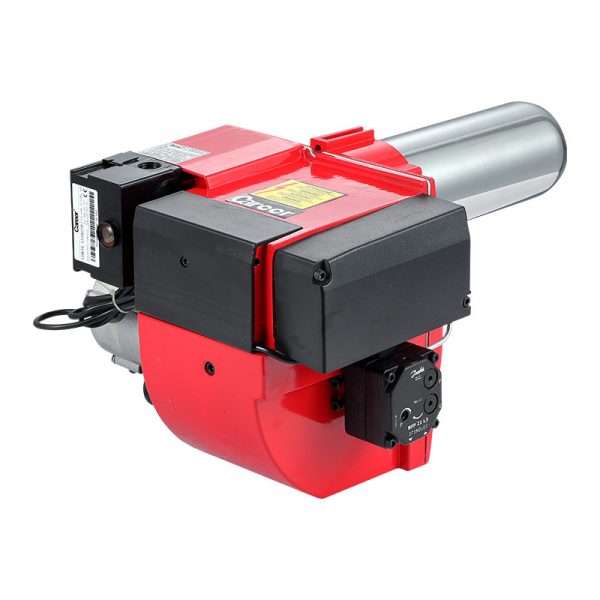
Regulatory pressure and buyer expectations are pinning manufacturers to a simple demand: produce burners that cut NOx without turning production into a cost sink. You’ll confront combustion chemistry, tight tolerances, and control-system nuance in the same build cycle—so plan for each. If you’re assessing a retrofit or new line, start by testing an industrial oil burner prototype early; that single decision changes downstream tooling and validation needs.

Why this problem matters for your plant
Low NOx isn’t an abstract compliance checkbox. It affects combustion staging, flame stability, component life, and maintenance intervals. I’ve taught teams that shortchange burner-air mixing end up with blow-off or soot carryover months after delivery. Customers expect consistent emissions numbers, and inconsistent units lead to warranty work and lost trust. Address emissions cleanly, and you cut callbacks and protect margins.
Practical technical approaches that actually work
Don’t chase every new idea. Focus on a few proven methods: lean premix designs, staged combustion, controlled flue-gas recirculation, and precise fuel/air metering. Match the approach to fuel type and load profile. Use CFD early for geometry checks but validate with real burner rigs—simulation can guide, not certify. Insist on repeatable ignition strategies; intermittent relight failures are a common, overlooked source of NOx spikes in the field.
Production pain points and how to fix them
Tight machining tolerances, inconsistent burner assembly, and poor control integration are the usual suspects. Fix them with simple steps: standardize jigs, document torque specs, and lock electronic control firmware versions into the bill of materials. Add an assembly-stage combustion test that measures NOx at representative loads. These controls cost little compared with field returns.
Common pitfalls to avoid
Avoid overcomplicating designs for marginal gains. Too many staged valves or exotic materials increase failure modes. Don’t assume aftermarket retrofits will behave like new units; retrofits need bespoke tuning. And don’t skip training: operators unfamiliar with low-NOx start-up sequences commonly produce off-spec emissions during commissioning.
Alternatives and trade-offs
If oil-fired solutions won’t meet future targets without expensive redesign, consider gas conversion where applicable, electrification for small loads, or hybrid systems that combine burners with selective catalytic reduction. Each choice has a trade-off: capex, fuel availability, or lifecycle maintenance. Evaluate total cost of ownership rather than per-unit hardware cost.

Real-world context that shapes decisions
Production choices don’t happen in a vacuum — supplier location and supply chain matter. Manufacturers sourcing parts from clusters in Germany’s Ruhr region often find faster iteration and easier compliance discussions because local supply networks are familiar with European emissions standards; that proximity can speed prototypes and lower logistics risk. For teams exploring vendors, review options among established oil burner suppliers and prioritize those with documented emissions test results.
An actionable implementation checklist
Start with these steps and follow them strictly: 1) Run a combustion prototype and collect NOx across the full load map. 2) Lock design dimensions and control firmware. 3) Build assembly jigs and a standardized test rig. 4) Train commissioning crews on start-up sequences and fault responses. 5) Record emissions during at least three field commissioning events before final acceptance. These steps reduce surprises and keep customers satisfied.
Closing synthesis
Low-NOx production is a set of solvable problems, not a single technical mystery. Tackle design, production, testing, and supplier choice in that order. When you bind those steps into a repeatable process you get reliable burners that meet standards and customer needs—exactly the kind of consistent, proven work supported by Career Burners.