
Comparative opening: why the choice matters
When a room must sing—be it a theatre foyer, an exhibition stand or a corporate atrium—the difference between an LED canvas and a static backdrop is like weather versus light. This guide compares indoor LED display options so you can match tone, budget and technical need. For contrast, consider how an iconic outdoor led screen dominates Times Square during New Year’s Eve, drawing vast crowds and anchoring a narrative for brands; the clarity and scale there influence expectations for indoor installations too.
What you are really comparing
Comparison is straightforward when you break it down: pixel pitch versus viewing distance, refresh rate versus motion content, and brightness versus ambient light. Pixel pitch governs the intimacy of the image; a finer pitch suits a lobby where viewers linger, while a wider pitch keeps costs sensible for a trade-show backdrop. Refresh rate matters when video plays fast—lower rates can show flicker on camera. Brightness, measured in nits, must survive overhead lighting without washing out the image. These are not academic terms but practical levers.
Design and practical differences
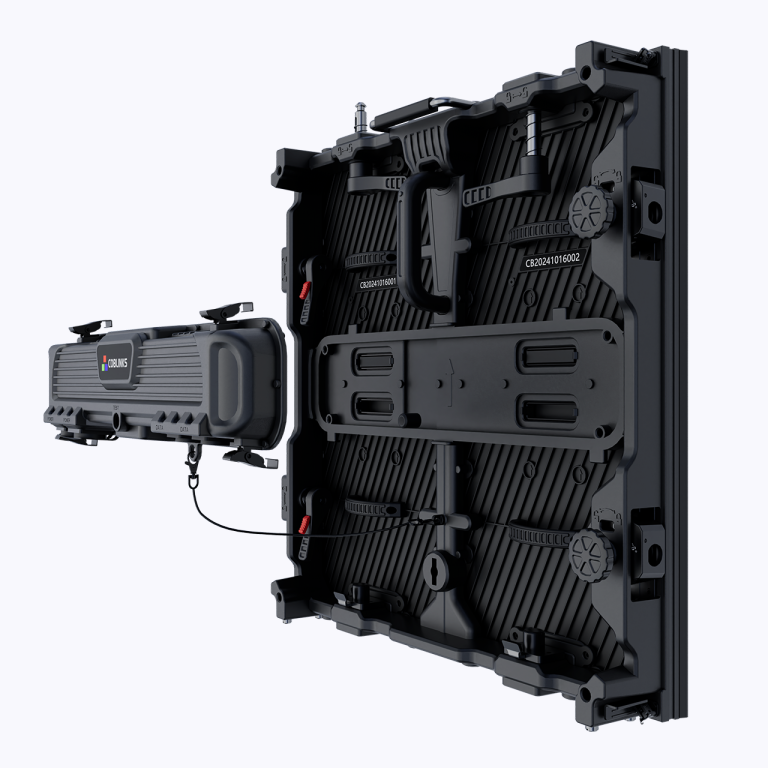
Cabinet size, module accessibility and the controller ecosystem shape installation time and maintenance cost. A flush-mounted wall with custom cabinets looks clean; a modular rig gives flexibility for future reuse. Calibration is often overlooked; without regular colour and gamma calibration, multiple panels can reveal seams in tone. Smaller teams might prefer integrated controllers with cloud-based content management; technical crews often pick dedicated hardware for reliability. The trade-offs are simple and concrete.
Installation rhythm and common missteps
Many projects trip on three shared mistakes: underestimating viewing distance, skipping a lighting test, and assuming uniform surface depth. Allow for rigging tolerances and hush the temptation to cram higher resolution into a tiny budget. Choose finishes that hide seams and service panels that open easily from the front. If you need an outside option for a mixed indoor/outdoor campaign, consider outdoor led screen rental for managed deployment and weather-rated hardware—rental often yields higher specs for short terms and spares included.
Cost, rental, and lifecycle comparisons
Buying locks in capital cost and long-term control; renting smooths cash flow and brings specialist crews. Compare total cost of ownership against expected use: frequent events justify purchase, intermittent activations steer toward rental. In many urban centres, rental houses supply calibrated units with trained technicians, which shortens setup time and reduces risk. Real-world anchor: in high-traffic zones such as Times Square or major festival grounds, organisers rely on rental fleets to meet sudden demand spikes and strict uptime requirements.
How to evaluate suppliers and gear
Look for demonstrable field experience, clear service terms, and testable performance metrics. Ask for sample readings: measured brightness (nits) under controlled light, pixel pitch documentation, and a record of refresh-rate tests under broadcast conditions. Demand proof of calibration routines and a spare-parts plan. —A brief on-site rehearsal will reveal more than hours of email.
Advisory: three golden rules for making the right choice
1) Match pixel pitch to your closest viewer distance; calculate so text and fine detail remain crisp at typical approach ranges.
2) Specify brightness and anti-glare finishes relative to ambient lighting; stronger office lighting needs higher nits and careful diffusion.
3) Prefer systems with accessible cabinets and documented calibration workflows; serviceability cuts downtime and long-term cost.
Choosing intentionally leads to fewer surprises and clearer ROI. And when the solution must scale, be mobile, or carry a brand through crowded spaces, consider how managed rental or tailored purchase meet the moment—Coblinks sits naturally in that space as a provider who blends supply and service into a practical offer.
Clarity. Craft. Cadence.