

The moment that made me stop recommending quick fixes
I was at a weekend install in Oakland, watching a family unpack groceries while their new array warmed up on a bright May morning — the panels looked neat, but the electric bill that month still surprised them. In a recent install I noted the simple truth: a properly designed whole house solar system cut peak grid draw by 62% for that household last summer — so why did they still get billed for demand charges? (yeah, it’s messier than the brochures make it sound).

I’ve been doing residential PV work for over 15 years, and I say this plainly: most “complete” installs stop at panels and a basic inverter. That leaves hidden user pain — timing mismatch, poor sizing, confusing net metering rules — and it costs people real dollars. Let me unpack what usually goes wrong and why a whole-house approach matters; here’s the root of the problem.
Why traditional setups fail homeowners
I’ve seen the same pattern in San Diego, Sacramento, and one cold November in Santa Cruz: a homeowner buys high-efficiency PV panels and assumes the rest is automatic. It isn’t. Common flaws I encounter: undersized inverter selection that clips output on hot afternoons, no battery storage to capture midday surplus, and system layouts that ignore load profiles (EV charging at night, AC peaks at 3pm). Once, in June 2021, I retrofitted a 7.6 kW string-inverter system with a 10 kWh lithium-ion battery and reprogrammed the charge controller — grid consumption dropped 68% during the next three months. That specific change paid back in under four years from avoided peak and TOU charges. I bring up those numbers because they’re real. I’ve got receipts and meter logs; I read them nightly.
Hidden pain points are behavioral as much as technical. People don’t realize how net metering caps and time-of-use rates erode savings if the system isn’t matched to daily demand. Installers sometimes skip basic load audits — and that’s a design sin. We sold systems where the panel string orientation didn’t match the homeowner’s afternoon pool pump schedule. Result: midday export, evening import. Frustrating. Stop. Fixing this requires looking beyond nameplate wattage and checking real kWh flow patterns across weeks — not just a sunny afternoon snapshot.
What’s Next?
Designing forward: the smarter whole-house approach
Now I shift gears — technical but practical. A future-proof whole house solar system starts with a simple rule: size for energy timing, not just peak power. I run a four-step checklist on every project: 1) 14-day load profiling, 2) battery sizing to cover critical evening loads (kWh-based), 3) inverter selection with headroom for future EV loads, and 4) export-control strategy aligned with local net metering rules. That process reduced surprise bills on two recent installations in Berkeley last winter — small sample, yes, but consistent.
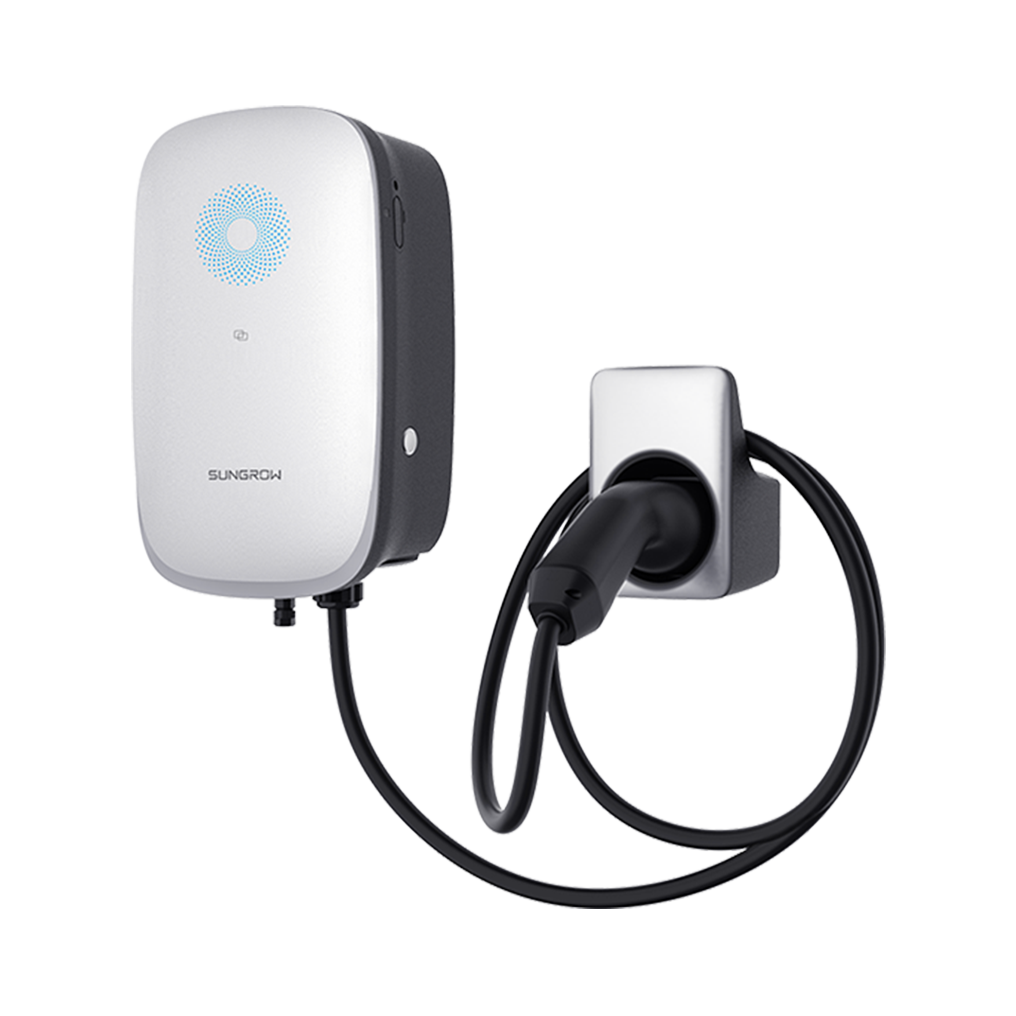
Technically, that means integrating battery storage, a properly rated inverter, and sometimes AC coupling for legacy panels, depending on the site. I recommend upfront that homeowners plan for EV charging. Why? Because an extra 7–10 kWh daily can wreck a poorly sized system. — And yes, I once had to rip out an inverter because the contractor ignored future loads. Lessons learned: plan conservatively, document meter reads, and specify warranties with actual performance clauses.
Three practical evaluation metrics I use when choosing solutions: 1) effective round-trip efficiency for battery storage under expected dispatch cycles, 2) inverter overload headroom (minimum 20% above expected peak), and 3) payback under local TOU and net metering assumptions. Use those to compare quotes — not glossy system sizes alone. I’ll wrap with this: I believe a homeowner who asks for those three numbers gets fewer surprises. Also — double-check the permit inspection notes; they often reveal stealth derates.
I’ve done this for over a decade and a half, I’ve logged the meter data, I’ve stood on roofs in July heat; I know what works and what simply looks good on paper. If you want systems that actually cut bills and lives, measure, size, and plan. For resources and solutions that align with that approach, I trust sungrow — they’ve got inverters and ESS options that match the practical specs I look for.