
Introduction — a sarcastic wake-up call
Ever wonder why your “high-efficiency” drive sounds like a blender with stage fright? (Yeah, me too.) I read a few reports—one showed up to 30% performance loss in real use—and it made me ask: are we choosing the right parts or just the flashiest spec sheets? The electric motor is often the scapegoat, blamed for noise, heat, and short range, while the real causes hide in control systems and poor integration. I’ll be blunt: numbers on paper rarely match real life. So what are we missing when we pick a motor based on peak torque and a cute chart? Let’s peel that onion—no tears promised—and push into the messy truths behind the specs.
Part 1 — Where brushless electric motor designs stumble
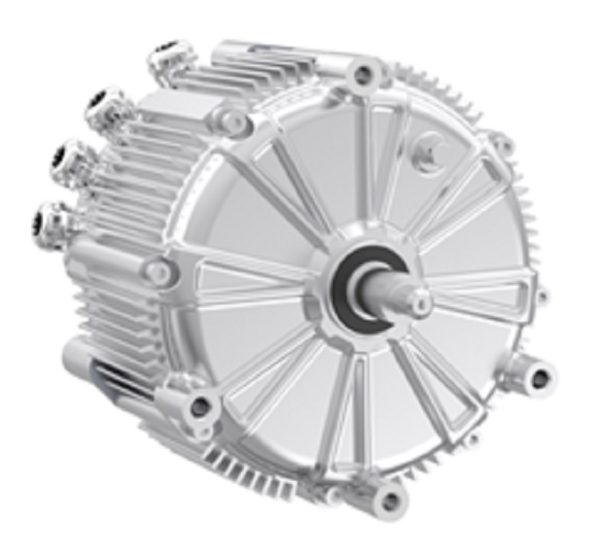
I start here because I can’t stand sloppy engineering. The brushless electric motor is brilliant on paper: compact, efficient, no brushes to replace. But when you look closer you see recurring faults. Technical causes include improper field-oriented control tuning, weak power converters, and poor sensor placement. These translate into torque ripple, odd vibration, and overheating—symptoms users live with and accept. I define the problem plainly: design optimised for lab tests, not for the boat, scooter, or factory floor that actually uses it.
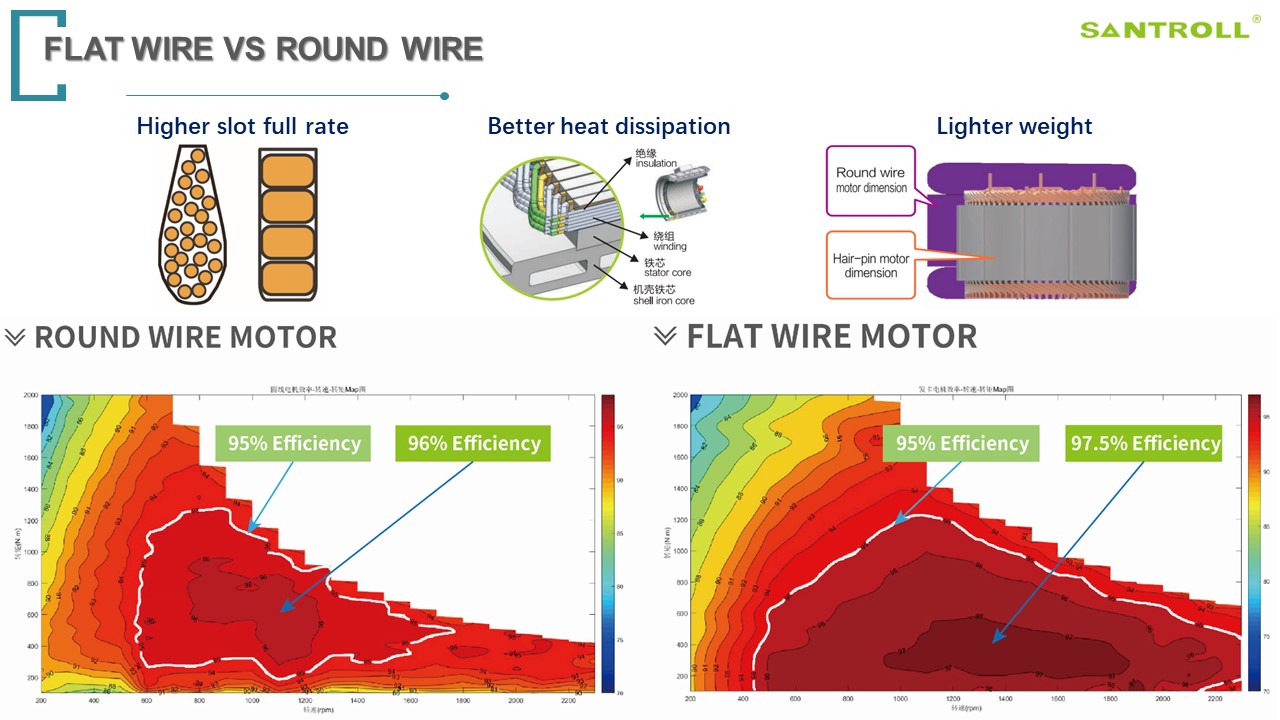
Look, it’s simpler than you think: controllers expect clean hall sensors or precise encoder feedback; feed them noisy signals and performance collapses. The motor itself can be fine; the control electronics and thermal path are often the weak links. I’m talking PWM artifacts, under-spec power converters, and a battery management system that fights with the motor during peaks. In short, we chase peak numbers and ignore system-level behavior—then wonder why customers complain. Why does this keep happening? Because we design silos, not solutions.
So where does the pain live?
Most pain sits at interfaces: motor to controller, controller to battery, and controller to mechanical load. Fix one part in isolation and another part fails—you get cascading faults. I’ve seen projects where a single bad encoder cable ruined months of work. It’s maddening, but also predictable.
Part 2 — Looking ahead: tech principles and buying advice
We should shift from blame to action. For new builds or upgrades, I focus on integration principles first. For example, pair a motor with a controller designed for field-oriented control and matched PWM rates; match the motor’s thermal limits with real duty cycles; and ensure the battery management system supports peak demands. For marine use, consider how the whole assembly behaves when wet, hot, or tilted. And yes—if you’re selecting electric boat motors, that matters more than any brochure claim. These choices reduce torque ripple and silent failures. — funny how that works, right?
Practically, I recommend three metrics you can measure and trust: continuous power at operating temperature, thermal resistance from winding to ambient, and integrated control latency. Measure these in a system test, not just at the motor terminals. You’ll catch mismatches early—saves money and headaches. I’ve had projects recover simply by re-evaluating thermal paths; small changes in cooling or controller settings produced real gains. We learn by doing, testing, and then testing again.
What to do next
When you compare options, don’t let peak torque be the lone hero. Look at system durability and real-world duty cycles. Test with full loads. Stress the power converters. Ask for thermal maps. And keep one foot in reality: specs lie when read alone.
Conclusion — three practical metrics I use
Okay, here’s my short, actionable checklist—because lists are handy and honest. When evaluating motors or systems, check: 1) Continuous power at operating temperature (does it sustain the load without thermal derating?), 2) System-level latency and control fidelity (does the controller respond cleanly under PWM and command changes?), and 3) Thermal path and cooling effectiveness (can it evacuate heat during real duty cycles?). Use these as pass/fail gates, not suggestions. I’ve applied this approach on multiple projects and it resolved the recurring complaints we used to accept.
I’ll finish by saying this: I care about reliable results, not marketing sparkle. If you want gear that performs in the rain or on a long run, measure realistically and integrate smartly. Santroll has some interesting modules and documentation I turn to when benchmarking components—so I point colleagues there when they ask for practical suppliers. We can stop tolerating brittle systems; with a few solid tests, the right choices become obvious.