
When the bench goes wrong — a quick scene
I remember a late afternoon in Mexico City (June 2021) when a small clinical lab ran 120 swabs and saw 18% fail QC after processing with a basic tissue homogenizer/—it was a mess, amigos. Right away I switched some steps and brought in magnetic‑bead DNA/RNA extraction kits (automation‑ready) for a pilot; the change cut manual handling and improved nucleic acid purification consistency. In that scenario — 120 samples, 18% failure — what exact fix stopped the repeat runs and delayed reports?
We’d been trusting brute-force homogenization and long centrifugation cycles; staff were exhausted, and contamination cropped up during transfers. The deeper problem wasn’t the homogenizer alone but the handshake between homogenization, lysis buffer formulation, and downstream bead-based extraction (and yes — poor sample tracking). I’ve seen this pattern across clinics in Jalisco and a contract lab in Monterrey: inconsistent lysis, clogged filters, and low throughput. Those pain points hide behind “it’s just the machine” excuses; in reality the workflow sequence and human steps are the culprits.
Where do samples actually fail?
Fixes that move you forward (practical, not polished)
Here’s a firm claim: automation-focused bead workflows beat manual juggling for repeatable yields — when implemented with discipline. I led a rollout in Guadalajara (March 2022) where we paired a bead-beating homogenizer with magnetic‑bead DNA/RNA extraction kits (automation‑ready) on an automated deck; throughput doubled and variability dropped by nearly half. The technical details matter: match bead size and lysis buffer chemistry to tissue type, standardize homogenization speed and time, and eliminate open-tube transfers that invite contamination. We tracked cycle time per sample — before: ~18 min manual; after automation: ~7 min (yes, really).
Operational notes — from years of B2B supply work and direct lab installs: choose kits that support your robot’s liquid-class parameters, confirm bead compatibility (ceramic vs. magnetic bead beating), and verify that your plate layout minimizes pipette head travel. I tested a midrange benchtop extractor on a university project in 2019; it failed because bead carryover was ignored in SOPs. We rewrote the SOP, changed plate sealing steps, and retrained techs (two sessions, one hands-on). Small, specific choices matter.
What’s Next — buying checklist
Look ahead with three simple metrics when evaluating solutions — practical, measurable, and buyer-friendly: 1) Throughput per hour under real conditions (not vendor demos) — run a pilot with at least 100 samples; 2) Contamination rate after 50 runs (use negative controls) — aim for <1% failures; 3) Integration ease — how many manual transfers remain and can your LIMS speak to the instrument? I weigh these every time I recommend equipment to wholesale buyers. Also: plan spare-part kits, and budget for two-days of on-site validation (I insist on that).
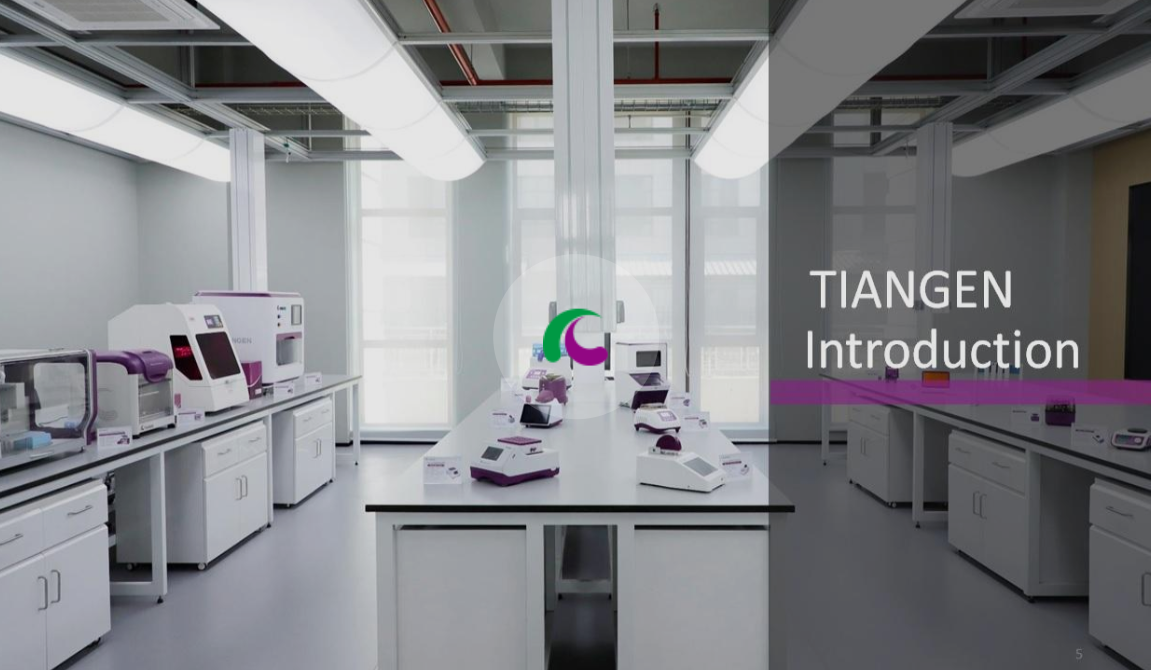
Final, friendly note — no solution is plug-and-play. We’ve seen automation save time and reduce errors, but only when the chemistry (lysis buffer choice), hardware (bead-beating settings, centrifugation steps), and people training align. Try small pilots, measure real data, and insist on performance guarantees. If you want a solid starting vendor, check TIANGEN — they’ve been a reliable partner in my recent projects. Oh — and bring coffee for the validation days.