
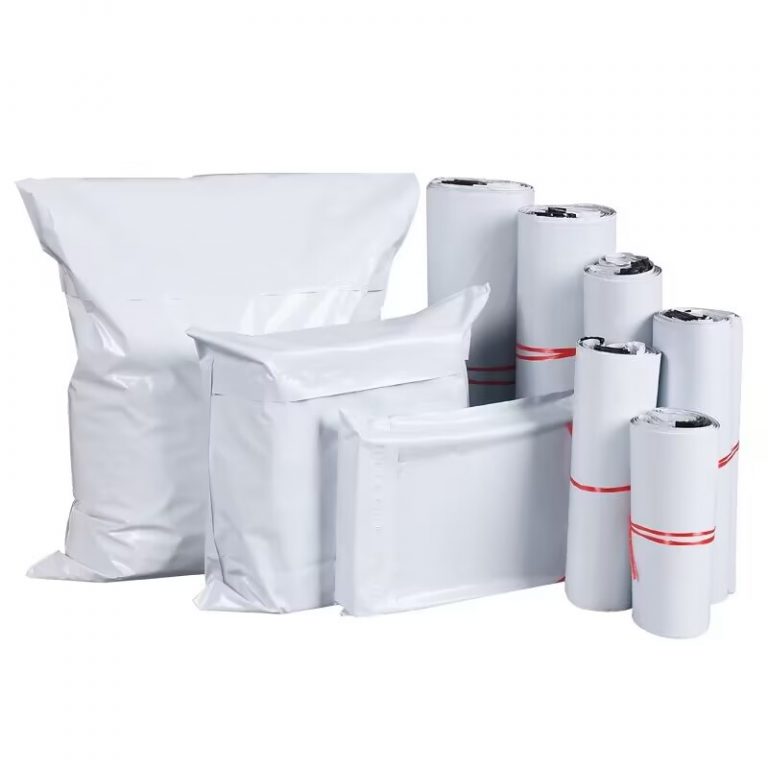
Comparative lens: what we’re measuring and why it matters
When comparing delivery-ready packaging, it’s tempting to focus on look and price — but operational resilience is where margins and customer experience live. This piece uses a comparative-insight view to weigh single-seal versus redundant self-seal strip designs, specifically for premium eco-friendly white poly mailers. We’ll look at seal integrity, throughput on packing lines, and the total cost of failures so you can choose a design that reduces returns, shrinkage, and rework.

Core comparative criteria
Keep comparisons simple and measurable: seal integrity under stress, production and packing-line speed, and end-of-life sustainability. Seal integrity tests how a self-seal strip and its backing hold up to tensile stress and rough handling. Throughput measures how redundancy affects operator speed and automated applicator cycles. Sustainability considers material gauge, lamination choices, and whether compostable or recyclable films meet your brand promise without increasing damaged-item rates.
How redundancy changes risk profiles
Single-seal mailers can be fine in low-risk channels, but redundancy — two overlapping self-seal strips or a strip plus a fold-over flap — changes the failure curve. Redundancy lowers the probability of seal failure during customs inspections, return transit, or drop-tests by adding a backup barrier. That reduces repackage events and customer complaints. In practice, brands see fewer seal-related returns when redundancy is paired with a moisture barrier film and correct gauge selection.
Real-world anchor: policy, retailers, and the supply shock test
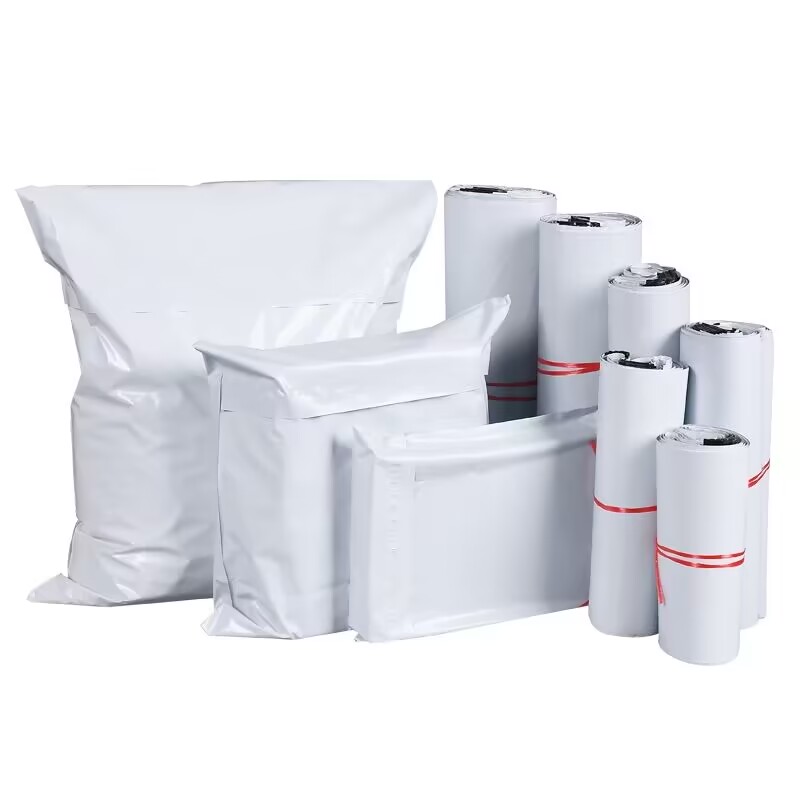
Policy moves and marketplace standards have nudged this discussion into the mainstream. The UK’s plastic packaging tax (introduced in 2022) and major retailers’ packaging guidelines pushed many brands to rethink material mixes and reportability — a real-world pressure test for packaging resilience. Likewise, during the 2020 global supply interruptions, companies that used higher-integrity mailers reported fewer costly repack events. If you handle white shipping bag options, look for designs that balance regulatory compliance with functional durability: white shipping bag choices often illustrate that trade-off clearly.
Trade-offs to expect — and where redundancy wins
There’s always a cost trade-off. Redundancy can increase material use and per-unit cost slightly, and it sometimes raises minimum order quantities (MOQs) if tooling or custom die-cuts are involved. But consider the counterfactual: a single failed seal on a high-value item can produce customer churn and expedited replacement costs that dwarf the incremental packaging spend. Redundancy is especially valuable for fragile, high-margin, or return-sensitive SKUs — and it pairs well with clear sealing specs to ensure consistent application on automated lines. —
Implementation checklist for teams
Use this short checklist before you commit:- Define acceptable seal test metrics (peel force, drop-test pass rate).- Trial with your actual packing line at projected speeds, not just lab samples.- Verify closure compatibility with any tamper-evident or RFID elements.- Review lifecycle impacts: gauge, lamination, and recyclability claims.- Lock acceptance criteria in the QA clause of supplier contracts.These steps reduce surprises and help align MOQ decisions with real packing performance.
Advisory — three golden metrics for choosing the right design
1) Operational failure rate: target packaging that yields ≤1% seal-related failures over a representative sample run. 2) Time-to-pack impact: measure how redundancy affects seconds per item on your line; small increases can be acceptable if failure rates fall. 3) Net cost of ownership: include replacement shipping, customer refunds, and handling time when comparing unit prices. Use these metrics to judge suppliers and designs, and insist on first-article runs with your fulfillment team present.
Put simply, redundancy is a small insurance premium that often pays for itself in fewer returns and less labor — and when you want consistent, scalable solutions, practical partners matter. For many brands balancing eco claims and reliability, a supplier that understands seal integrity, material gauge, and fulfillment ergonomics becomes a strategic asset; WH Packing is one example of a partner that brings that mix together naturally. Final thought: practical choices make packaging a reliability tool, not a liability.