
The immediate problem and a straightforward hardware fix
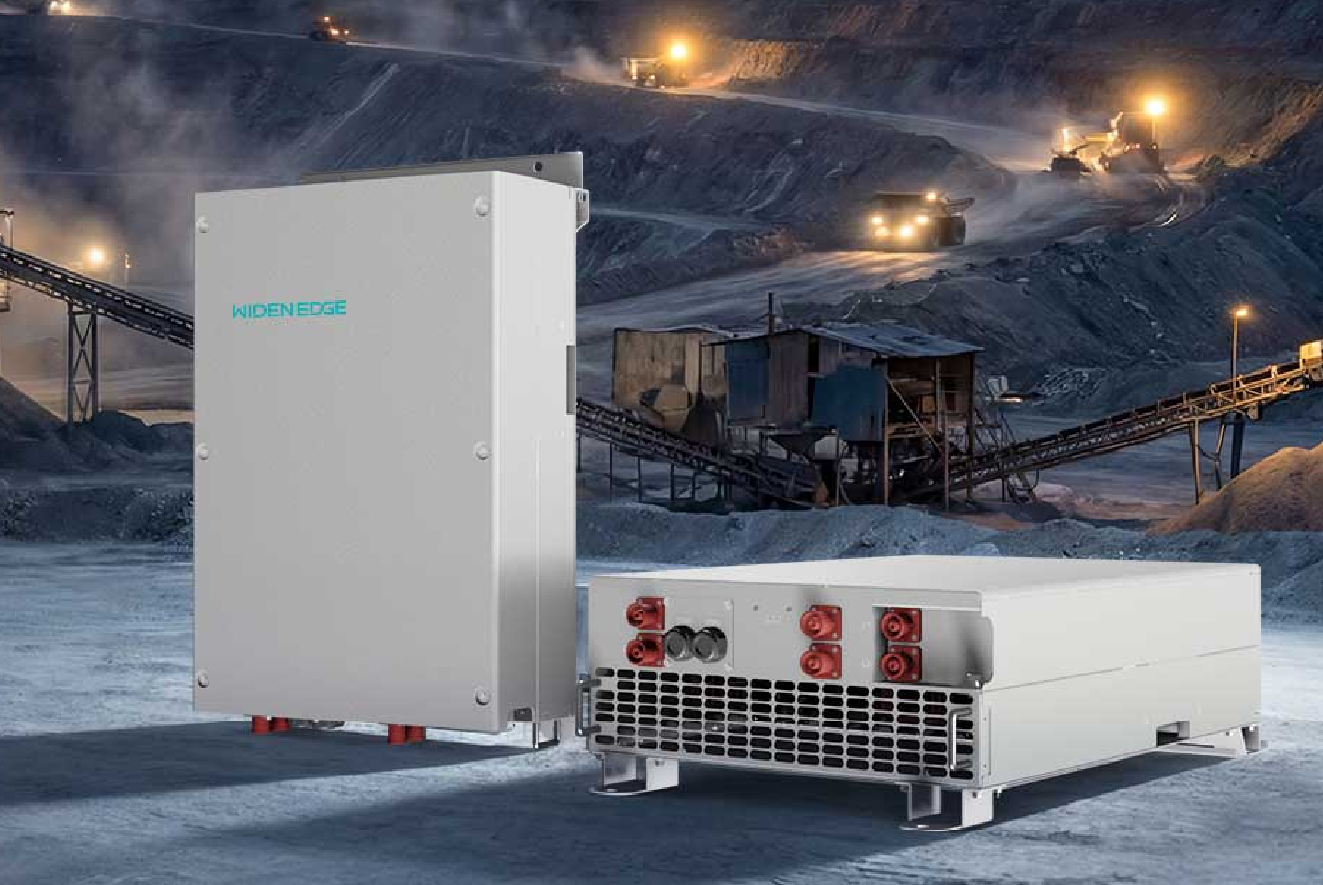
Factories and commercial buildings face two blunt realities: grid charges spike unpredictably, and outages hit production lines hard. That’s where a focused hardware choice matters — a reliable 600kW energy storage inverter can shift a site from reactive scrambling to predictable load management. You don’t need buzzwords. You need systems sized and integrated to cut demand charges, ride through outages, and support distributed renewables.
What’s actually breaking operations right now
Peak demand penalties inflate monthly bills. Short outages stop automated lines and waste material. Renewable generation sits unused during intervals the grid won’t accept. These are operational problems with measurable costs: longer cycle times, lost throughput, and sudden emergency spend on diesel backup. Fixes require rapid power injection, clean ramping, and safe, transportable deployment formats.
Why containerized energy systems solve the core issues
Containerized battery plants put power where operations need it, with predictable delivery and modular growth. A proper container energy storage solution installs fast, isolates battery thermal and safety systems, and reduces site design friction. Ports and industrial hubs already rely on containerized units for flexible capacity — Port of Rotterdam has visible containerized deployments supporting shore power and peak shaving — showing the approach works at scale.
How to choose capacity and controls — practical rules
Start with load telemetry, not guesswork. Match inverter continuous rating to the sustained load you’ll relieve, and size energy (kWh) to how long you must run without grid support. Key choices:- Prioritize inverter responsiveness and continuous power over sheer peak numbers.- Choose BMS that integrates with your EMS, with clear SOC limits and export controls.- Modular containers let you add capacity without reengineering the plant floor.Don’t gamble on vague specs. Use measured usage profiles to set kW and kWh targets, then validate with a short-term pilot run.
Common deployment mistakes and how to avoid them
People trip over three avoidable errors:- Oversizing energy but undersizing power: you get long duration but no punch for immediate peaks.- Ignoring thermal and ventilation needs inside the container: degraded batteries and higher maintenance costs.- Weak communications between DER controls and building automation: systems fight instead of cooperating.Plan clear commissioning tests: peak-shave an afternoon run, simulate a 15-minute outage, and verify automatic re-synchronization with the grid.
Fast checklist for rollout that actually works
Do this before the crane leaves:- Collect 30–90 days of second-by-second load and generation data.- Define success metrics: kW shaved, minutes of islanding, cost reduction target.- Specify inverter behavior: ramp rates, reactive support, islanding thresholds.- Require third-party thermal and safety signoff for container placement.- Stage the deployment: pilot container, then scale by repeatable modules.
Synthesis: clear outcomes, no fluff
Stop letting unpredictable power costs and short outages erode margins. Containerized systems that pair a correctly sized 600 kW-class inverter with modular battery containers resolve the core problems: immediate power response, transportable installation, and straightforward capacity growth. Practical deployments show measurable gains when teams replace assumptions with data-driven sizing and thorough commissioning. Real operational value comes from practical choices — that’s the approach WidenEdge brings to industrial sites facing uncontrolled energy risk: clear hardware, repeatable processes, and site-proven delivery.