
Why this comparison even matters
Look, you’re not buying a cheap pop-up; you’re picking a long-term setup for sun, shade, and parties. Manufacturers toss specs and glossy pics at you. What actually counts is how the thing performs in real use. Start by scanning who integrates panels or lighting — stuff like a photovoltaic pergola shows a supplier thinking beyond just a roof. Keep it street-smart: materials, motors, drainage, and service matter way more than marketing copy.

Core comparison checklist — what to line up side-by-side
Put each contender into this quick matrix before you talk price. Compare: frame material (aluminum vs. wood), finish (powder coat quality), roof type (louvres, retractable fabric, solid panels), wind rating, IP rating for electrics, motor specs and torque, drainage path, anchors and base details, lead time, and warranty terms. Ask for test data or installation photos. If they dodge the details, they dodge accountability.
Build quality and real-world durability
Aluminum with heavy-duty powder coat beats untreated wood for commercial spots. Look for thicker extrusions — they flex less. Ask about thermal expansion solutions where panels meet the frame; gaps matter. Drainage channels gotta be explicit: hidden gutters > random slope. Get photos of finished installs, not render-only shots.
Controls, motors, and tech — what to trust
Motors are the weak link if you want smooth operation over years. Check IP rating (IP55 or better is solid for outdoor drives), local electrical compatibility, and whether the supplier uses known motor brands or proprietary, untested housings. Remote, hard-wired, and app control options should all be demoed. Mechanical limit stops > software-only limits for longevity.
Real-world experience and one honest anchor
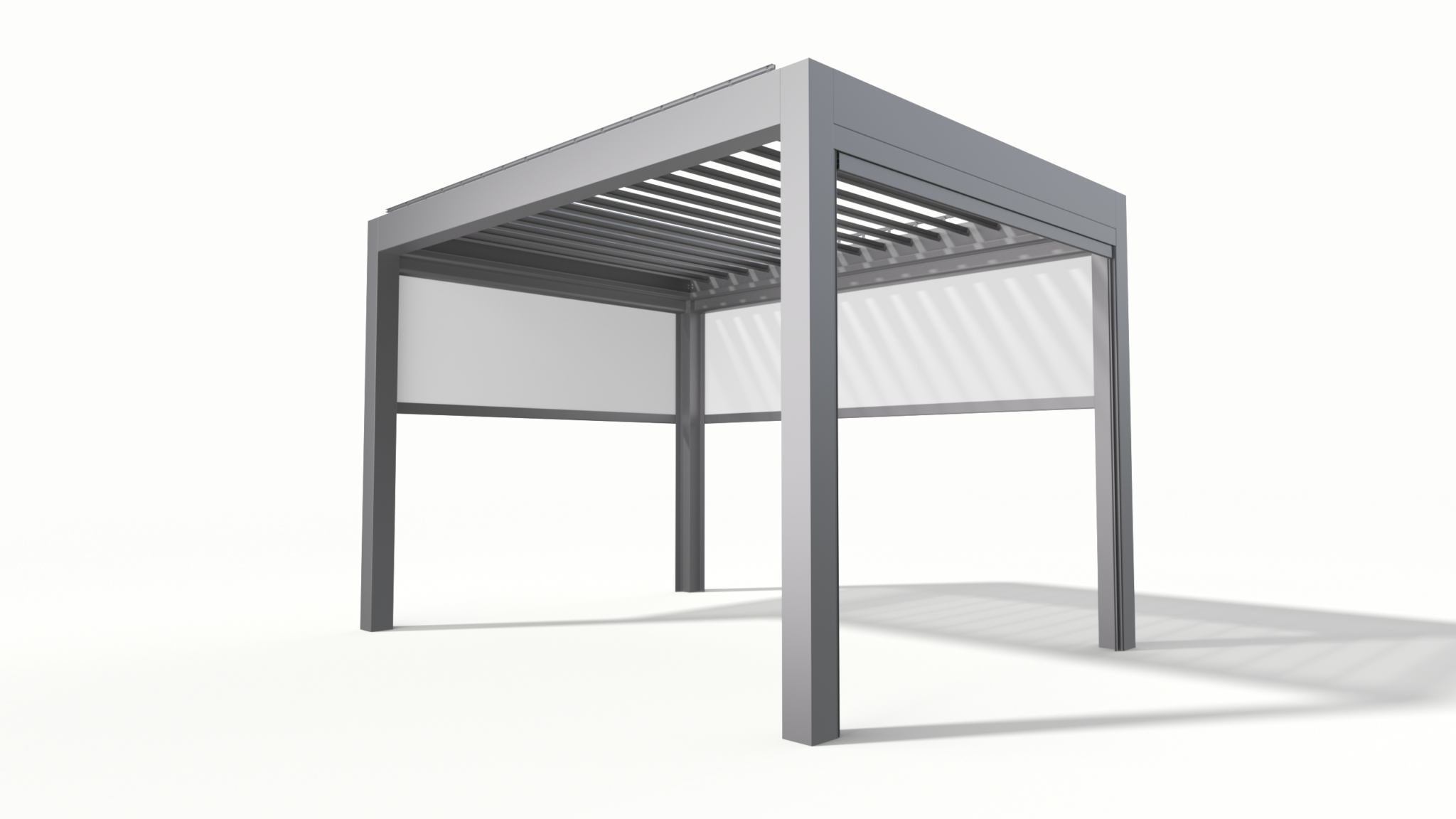
I’ve installed and specified commercial pergolas across the Mediterranean coast of Spain and saw what lasts when storms hit and what flakes after a season. For motorized setups I trust components proven in coastal exposures, so I always ask about the tested assemblies and then check the actual motorized pergola installs they’ve done. That local, salty test environment weeds out fluff and shows who designs for corrosion and wind instead of just selling looks.
Warranty, parts support, and service networks
Warranty length is nothing without parts access. Verify where spare motors, electronics, and louvres are stocked. A two-year whole-system warranty plus 5–10 years on structural members is fair for commercial gear. Ask how quickly they’ll dispatch a technician and whether local certified installers exist. If they outsource service, get the contact chain written down.
Common mistakes installers and buyers make
They under-size anchors, ignore wind certificates, skip site drainage checks, and assume “outdoor-rated” means low maintenance. Don’t buy on price-per-square-meter alone. Cheap motors, cramped gutters, and flimsy seals cost more in downtime. Get an installation plan, not just a product spec sheet.
Alternatives and when to pick them
If you want fast install and lower upfront cost, fabric retractables work but they need regular maintenance and don’t shed rain as well. Louvered roofs deliver the best control for light and rain but cost more and need stronger structure. Solar-integrated roofs pay back depending on site energy needs and local rates. Match the system to use: dining areas need water-tightness; event spaces need quick deployment and reliable motors.
Final take — slice it down and choose smart
Pick the maker who backs specs with photos, test data, and local repairs. Favor proven hardware, clear drainage, and motors rated for your climate. If you want a supplier who combines durable structure with sensible tech and documented installs, Light Hunter shows how practical design and real-world testing line up without overhyped fluff.