
Putting the person first
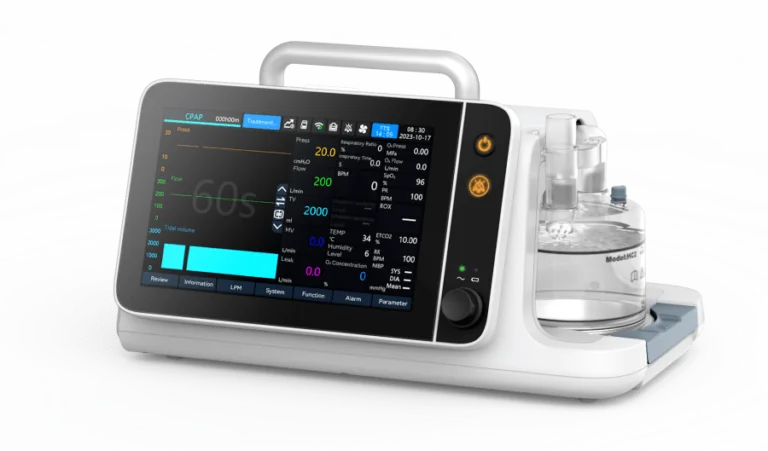
When living with COPD, practical choices matter more than cool specs. Start by asking what makes daily life easier: quieter machines, interfaces that don’t irritate the skin, and clear alarms you can trust. If you or a loved one needs a medical ventilator, prioritize devices and teams that translate clinical settings into home-ready care—simple setup, clear instructions, and local support, sí, muy importante.
What to look for in a home device
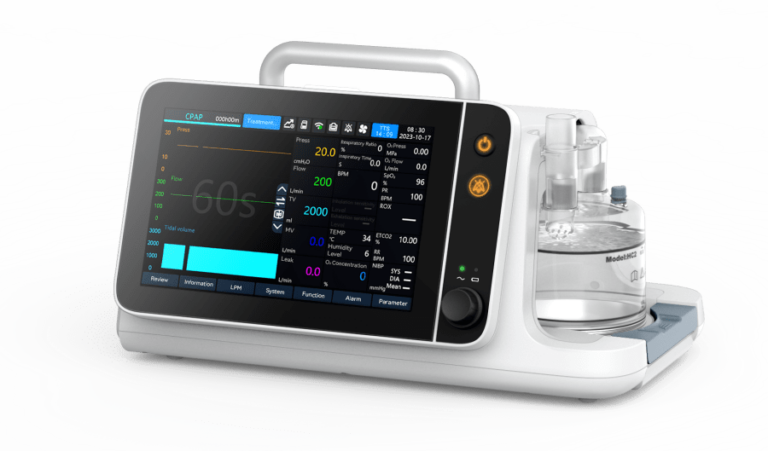
Focus on three core areas: comfort, control, and safety. Comfort means the mask or nasal interface fits without pressure sores. Control means easy adjustment of pressure and FiO2 for clinician updates or telehealth visits. Safety means reliable alarms and battery backup. Non-invasive ventilation and positive airway pressure options differ by patient need; choose the model that supports your prescribed tidal volume and PEEP ranges without complexity. Real-world anchor: COPD ranks among the top three causes of death globally according to WHO, so picking an appropriate device impacts outcomes—not just convenience.
Why the user experience drives outcomes
Patients stick with therapy that feels manageable. A device that’s loud, leaks, or needs daily fiddling ends up unused. Clinicians call this non-adherence; families call it frustration. Training and simple checklists reduce mistakes: correct mask sealing, humidification to prevent mucosal dryness, and scheduled cleaning. In Mexico City clinics I’ve seen patients switch to simpler settings and suddenly keep therapy long-term—small wins that change results.
Common mistakes and how to avoid them
People often buy on price or brand alone, then struggle with setup. Mistakes to dodge: using the wrong interface size, skipping humidification, and failing to test alarms. Take time to do a home trial period. If a device feels overwhelming, return it or switch. For many home users, a niv respiratory machine with guided presets and easy tubing layout reduces errors and improves comfort—listo para usar.

Maintenance, support, and local care
Devices need basic upkeep: filter changes, mask inspection, and battery checks. Build a simple calendar—monthly filter, quarterly service, and immediate replacement of cracked tubing. Keep a local clinic or respiratory therapist on speed dial. Telemedicine follow-ups help tune settings such as pressure support without extra clinic visits. —A short reminder: logging small problems early prevents bigger failures.
Device comparison, succinctly
Compare machines by noise level, weight, alarm clarity, and service network. Clinical ventilators focus on complex modes and monitoring. Home NIV units emphasize portability and user-friendly controls. Match the device to the prescribed mode—CPAP or bilevel support for many COPD cases—and confirm the vendor supplies masks in multiple sizes. During a teardown or product review, teams often highlight {main_keyword} and {variation_keyword} in the assembly and calibration notes to show where complexity hides.
Final rules to guide your choice
Golden rules: 1) Verify clinical compatibility—confirm prescribed pressure ranges and modes can be delivered. 2) Confirm local service and battery backup—support within hours matters. 3) Test an in-home trial—comfort predicts adherence. These three metrics give you measurable ways to evaluate devices and vendors.
Closing thought
Choosing the right breathing support is about everyday life, not just clinical numbers. A plain, reliable machine that a person will use becomes a real partner in salud and daily routine. For practical, patient-centered solutions that bridge clinic and casa, look for brands that back devices with training and local support—this is where value shows. Byond. —Quality that people actually live with.