
Why most modular backpack projects stall before production
Buyers promise a launch date, designers hand over PDFs, and factories deliver a different bag. If you’re sourcing a modular backpack, you face mismatched tolerances, unclear specs for detachable modules, and hopes that “it’ll be fine” will hold up through wear and delivery. Fix those early, and the rest is execution.

Core problem: unclear functional specs, not aesthetics
People obsess over color and stitch pattern while skipping load ratings, interface tolerances, and module swap cycles. State weight limits per pocket, how often zippers must cycle, and what “waterproof” actually means — a durable water-repellent finish or taped seams for seam waterproofing. Leave ambiguity and you’ll pay for rework.
Material choices that make or break durability
Pick fabric for abrasion resistance and pack weight, not just appearance. 500–1000D Cordura or coated nylon hits the sweet spot for commuting-to-outdoor hybrids. Use YKK zippers where failure is critical. Test hardware under torque and salt-spray if the bag will see coastal or heavy-sweat use. Cheap hardware saves money now and costs on returns.
Common production mistakes and how to prevent them
Manufacturing errors repeat: wrong stitch counts, oversized module clips, inconsistent seam allowance. Require a tech pack with clear tolerances, include pattern pieces with graded measurements, and demand a pre-production sample (PPS) on the exact fabric and hardware. Approve a run of 3–5 pilot units before full tooling orders.
EEAT: field experience and one concrete anchor
I’ve inspected line sheets and audited assembly processes in Shenzhen, where many backpacks are engineered and scaled for export. That hands-on work taught me what a functional spec must include and how factories respond to clear documentation; it also showed why a direct pipeline between design and production short-circuits common errors. For buyers who want a manufacturing partner rather than a vendor, consider the realities of backpack manufacturing when you set contract terms and QC checkpoints.
Quality control you can enforce without being on-site
Set measurable checks: seam pull tests at 10–20 kg for load-bearing points, 1,000-cycle zipper tests, and water ingress checks after the bag’s been flexed. Require photo and video evidence of each QC batch alongside third-party lab certificates for coatings and flame retardancy if required. Put approval gates in the contract tied to payment milestones.
Alternatives and trade-offs—where buyers compromise
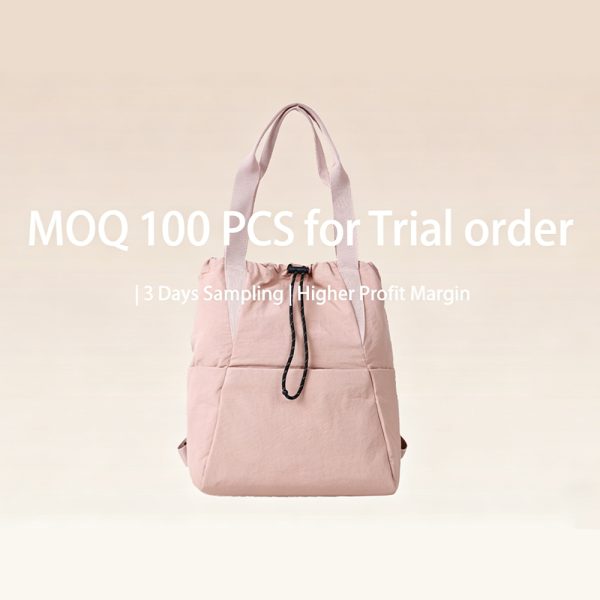
Want speed? Expect higher MOQ and simplified modularity. Want low-volume custom modules? Expect longer lead times and higher unit costs. Local short runs reduce shipping risk but raise per-unit cost. Overseas partners scale faster but need stricter QC. Make the trade-offs visible in your timeline and budget, then design the spec accordingly.
Negotiation tactics that actually work
Pay for clarity: buy engineering time for a proper prototype and list it as a deliverable. Use small paid pilot runs to validate supply-chain claims. Lock critical materials and hardware suppliers in the contract, and require documented fallbacks if a component is backordered. Don’t negotiate on measurement tolerances; negotiate on price and lead time instead.
Pulling it together
Fix the specification before you fix the price. Test the interfaces that make a backpack modular, audit the hardware, and demand real pilot units. That practical discipline is what keeps launches on schedule and customers satisfied, and it’s the process ChangRong applies when they move a design from sample to scale.