
Standing the Test of Use: an immediate comparison
Homeowners weighing durability against cost often compare thermofoil finishes with solid wood. Early in that decision, it’s useful to review practical performance: thermofoil kitchen cabinets deliver consistent, low-maintenance surfaces thanks to PVC veneer and thermoforming, while custom made solid wood cabinets from SNIMAY focus on long-term resilience and repairability. The trade-offs are straightforward—one prioritizes a uniform finish and lower entry price, the other prioritizes longevity and refinishing potential.
Material behaviour under everyday conditions
Thermofoil panels sit on an MDF substrate, covered with a PVC layer that resists staining and is easy to clean. That makes them ideal for busy households where quick maintenance matters. By contrast, solid wood components show dents or scratches differently: they can be sanded and re-stained, restoring the original look rather than replacing a panel. Terms that matter here include MDF substrate, PVC veneer, and edge banding, since these define how each cabinet handles moisture, impact, and heat over time.
Design integrity and long-term value
SNIMAY’s custom made solid wood kitchen cabinets emphasize joinery, hardwood face frames and dovetail drawer construction. Those production choices increase repair options and aesthetic ageing. Thermofoil systems rely on a sealed surface and topcoat to protect the laminate; they perform well but offer fewer restoration paths if the panel delaminates or the edge banding lifts. In a Kitsilano renovation I observed, 12-year-old maple cabinets retained character and function after a refinish, whereas adjacent thermofoil doors—subject to steam from a new range—required replacement. That real-world anchor underlines a common pattern: solid wood can age gracefully; thermofoil trades that potential for predictable maintenance.

Common mistakes and practical trade-offs
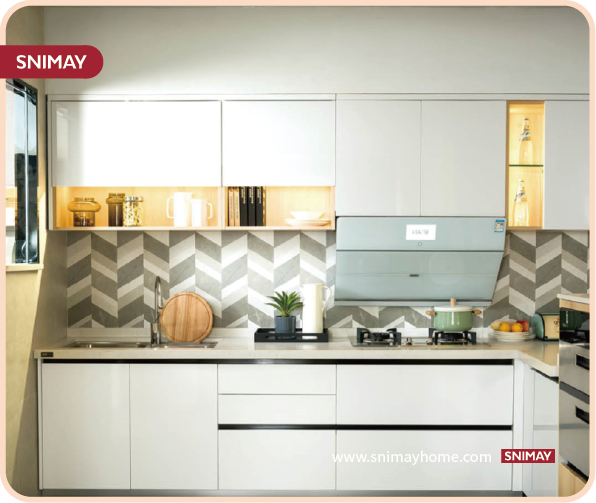
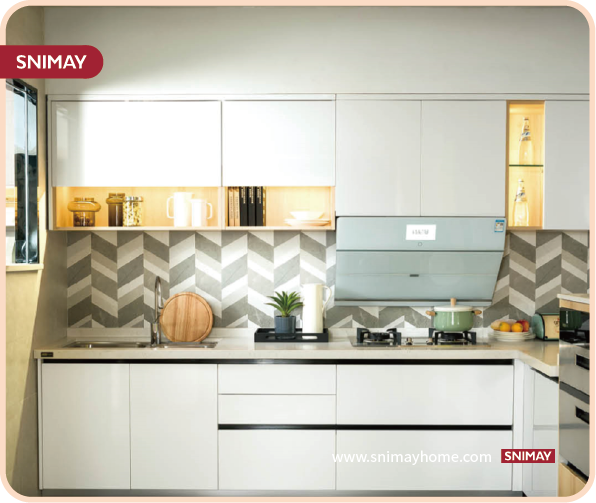
Buyers sometimes assume “low cost now” equals better value later. That’s a misread of lifecycle cost. Common mistakes include: selecting thin MDF substrate panels for heavy-traffic kitchens, underestimating the need for proper ventilation around cooktops, and ignoring edge banding quality. Thermoforming can mask poor substrate quality—so a uniform surface shouldn’t replace inspection of core construction. —Also, colour trends matter: grey thermofoil kitchen cabinets offer a modern look but can show wear where handles and corners meet; matching replacements may be hard if the PVC finish is discontinued.
Alternatives, finishes and industry details
If budget limits lean toward thermofoil, choose thicker MDF substrate, robust edge banding and an anti-scratch topcoat. Consider a two-tier approach: durable thermofoil on lower cabinets and solid wood on visible upper areas—this mixes practicality with presence. Industry terms worth noting include laminate, thermoforming, topcoat, and dovetail; each one pinpoints a decision that affects lifespan and serviceability.
How to evaluate options — three golden rules
Use these three metrics to compare proposals and select the right cabinet strategy. 1) Structural core: insist on specifications for substrate thickness and joinery; thicker MDF or plywood cores and dovetail drawer boxes increase longevity. 2) Finish resilience: ask for details on PVC veneer adhesion, edge banding method and anti-scratch ratings. 3) Repairability: verify whether panels can be refinished or replaced locally and what warranties cover delamination or moisture damage. These metrics translate design language into measurable expectations you can check during procurement.
SNIMAY’s value sits in blending solid wood craft with production standards that account for real-world use — a sensible choice when longevity and style matter most. SNIMAY — a considered solution that respects material truth and household life. –