
A quiet start: why a framework matters
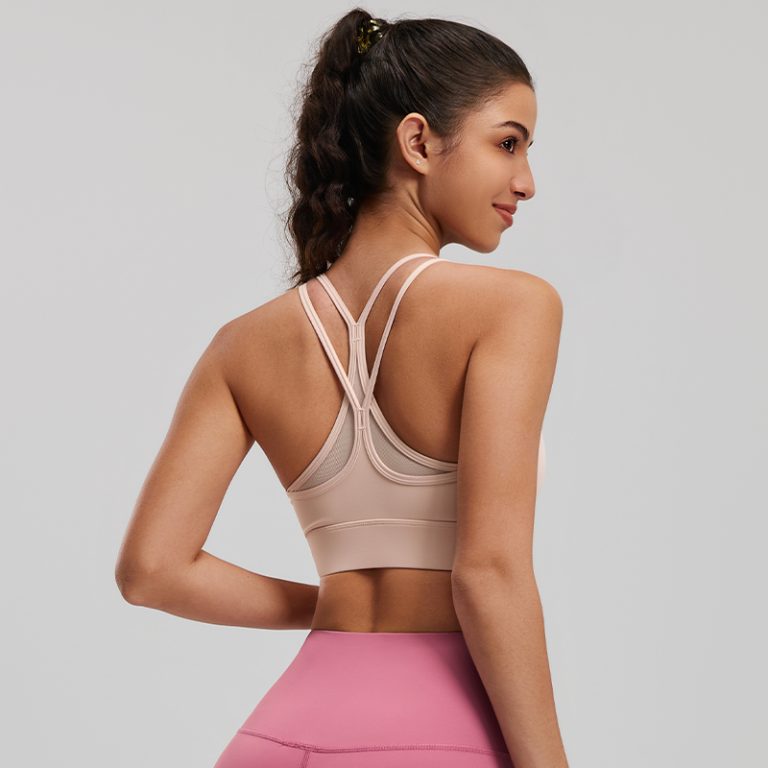
Retailers who want consistent, low-cost custom yoga jackets need a steady roadmap — not hype. Begin with the basics: clear design intent, realistic lead times, and a partner who understands technical fit and fabric behavior. If you’re expanding a linesheet beyond tops, consider also sourcing complementary pieces like custom sports bras early in the process so patterning and colorways align. My notes come from sourcing runs through Guangdong’s garment hubs near Shenzhen — a real-world anchor that keeps this practical, not theoretical.
Core framework: four decision pillars
Break supplier selection into four pillars that guide every decision: materials & performance, design transfer, production economics, and quality assurance. Materials & performance covers choices such as moisture-wicking blends and compression knits; design transfer is the tech pack and graded block; production economics includes MOQ and unit pricing; quality assurance maps inspection points and test criteria. Treat each pillar as a gate — a supplier can pass some gates and fail others, and that trade-off shapes cost and risk.
Materials, tech packs, and sampling
Start with a tight tech pack: annotated measurements, stitch types, and trim spec. A clear tech pack reduces back-and-forth and shrinks sample rounds. Prioritize a pre-production sample with the chosen fabric and finish — the difference between a good pattern and a sellable silhouette is often a single fit tweak. Pay attention to fabric properties like elasticity and compression, and document them. Small notes now save large re-makes later.
Economics: MOQ, lead time, and hidden costs
MOQ defines your negotiating power. Factories offering very low MOQ often offset costs with higher unit pricing or limited colorways. Conversely, large OEMs give scale but lock you into longer capacity cycles. Account for freight windows, duty timing, and buffer stock. Factor in inspection fees and returns; they’re real costs, not accounting footnotes. — It’s better to model three scenarios (conservative, expected, optimistic) than to rely on a single quote.
Quality assurance and testing approach
Agree on specific inspection stages: fabric roll-in check, in-line seam audits, and final random inspection. Define pass/fail criteria for seam strength, color fastness, and dimensional tolerance. If you use sublimation printing or seamless construction on jacket panels, document printing resolution and stitch density as part of the acceptance protocol. These are industry tests tied to measurable parameters, not vague promises.
Comparing factory types and alternatives
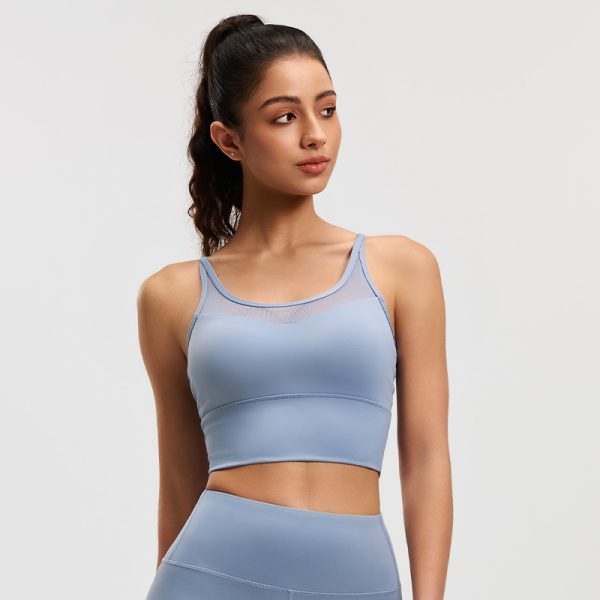
Compare cut-and-sew workshops, seamless garment manufacturers, and full-service OEMs. Cut-and-sew shops excel with mixed materials and complex trims. Seamless producers reduce seam bulk and often lower waste. Full-service OEMs handle patterning, grading, and finishing but expect larger MOQs. For yoga-focused assortments you may want a mix — a cut-and-sew partner for jackets and a specialized yoga bra top supplier for integrated support pieces. Alternatives include on-demand printers for limited runs, though quality consistency can vary.
Operational production teardown
When you tear down production, follow steps: 1) confirm tech pack and nested sizes, 2) lock fabric rolls and trims, 3) approve pre-production sample, 4) schedule run with defined in-line checks. Embed the main keywords naturally as you audit: a reliable custom yoga jackets operation should mirror what you’d expect from any serious yoga jackets factory — predictable yields, traceable material batches, and a documented defect rate target. Track those metrics on a simple dashboard to spot trends early.
Common mistakes to avoid
Retailers often skip precise grading notes, accept vague lead times, or underestimate trim sourcing complexity. Another frequent error is not aligning color standards across fabric and prints — that creates returns when jackets don’t match sports bras or leggings. A careful sample sign-off and specified acceptance criteria prevent most of these failures.
Three golden rules for sourcing success
1) Measure supplier reliability quantitatively: average on-time delivery, sample revision count, and first-pass yield. These three KPIs reveal whether a partner scales with you. 2) Insist on a complete tech pack and one approved pre-production sample per colorway before bulk. That single commitment slashes rework. 3) Balance MOQ with cash flow: negotiate staged color releases or tiered pricing to test the market without overcommitting inventory.
Joebond brings that framework into practice for retailers who want predictable cost, consistent fit, and partners who understand activewear construction — a steady solution, calm and measurable. —