
The problem in plain sight
All‑in‑one solar power systems promise simplicity — PV, inverter, and battery in one cabinet — yet the core problem persists: how do you reliably track State of Health (SoH) and cycle life when cells, modules, and system-level controls interact? A pragmatic answer matters if you sell hardware or design microgrids, because customers equate uptime with trust. Start with a simple test: can your solar battery storage report usable capacity decline in the field, not just on a factory bench? If not, you have a visibility problem that will become a warranty problem — and then a reputation problem.
Why SoH and cycle life are hard to pin down
At cell level, manufacturing variance and initial sorting matter. At pack level, thermal gradients and cell balancing cause uneven ageing. At system level, inverter charge algorithms and the battery management system (BMS) mask symptoms. You get noisy signals: capacity fade, changing internal resistance, and unpredictable Depth of Discharge (DoD) patterns. Put another way: measuring one metric in isolation is misleading — SoH is an emergent property of hardware, firmware, and usage patterns.
Lessons from real deployments
Look to Hornsdale Power Reserve in South Australia — a high‑visibility grid‑scale storage project that taught operators and integrators the value of accurate performance telemetry. Early public reporting (the project grew from ~100 MW/129 MWh to larger capacity) showed how system‑level insights can validate expected cycle life under real-world dispatch patterns. That’s the anchor: laboratory cycle counts are necessary but not sufficient; field behavior under grid stress reveals the true ageing profile.
Where manufacturers and operators trip up
Common failures are procedural as much as technical. Manufacturers often publish cycle life at a fixed DoD under ideal temperatures — useful for comparison, but not necessarily predictive. Operators load systems with real, messy inputs: variable PV output, frequency response calls, and prolonged float states. The result? Unexpected capacity loss and premature replacement schedules. A practical misstep is trusting a single SoH algorithm across all deployments; different climates and duty cycles demand adaptive models — or at least disclaimers. —
Practical strategies to reveal true SoH
Engineer for observability. That means:- Instrument at multiple points: cell/parallel string voltage, pack temperature, and DC bus current.- Log events with timestamps aligned to weather and grid signals to separate operational causes from intrinsic ageing.- Use adaptive SoH models that combine coulomb counting, incremental capacity analysis (ICA), and periodic reference charge/discharge tests.These tactics let you triangulate SoH rather than infer it from a single sensor reading. The BMS is your primary data source — but it needs standardized exports and sanity checks to be useful.
Design and deployment trade-offs
There’s no free lunch. More telemetry raises BOM cost and can complicate certification; heavier duty cycles improve system economics but shorten cycle life. Choices include:- Conservative control algorithms that favor longevity over peak dispatch.- Aggressive dispatch modes for revenue (frequency response), accepting faster capacity fade.- Hybrid approaches with warranty tiers linked to usage telemetry.The right choice depends on your business model and customer expectations — and on clear contractual language about acceptable DoD and depth‑of‑service.
How diagnostics change maintenance and warranties
When SoH is measurable and auditable, maintenance shifts from calendar schedules to condition‑based actions. That reduces unnecessary replacements and enables targeted cell/module swaps. For warranties, it becomes feasible to offer usage‑based terms: you can underwrite higher cycles if you can prove the system stayed within specified DoD and temperature envelopes. This approach aligns incentives across supplier, installer, and end user — and reduces disputes grounded in opaque claims.
Tooling, common mistakes, and quick fixes
Installers and integrators often skip simple validation steps: no field reference cycles, missing calibration, or inadequate thermal management testing. Quick fixes include running a standard reference discharge during commissioning, validating BMS coulomb counters with a grid‑synchronized load, and setting temperature alarms tied to derating logic. These steps are low cost but high impact — they catch systemic errors before they compound into warranty events. —
Evaluating all‑in‑one systems: what to look for
When you evaluate systems for off‑grid or grid‑tied projects, check for three practical capabilities: telemetry granularity (cell/string level preferred), adaptive SoH algorithms validated against field data, and clear integration of BMS with the inverter and monitoring stack. Also verify vendor willingness to share anonymized field data — transparency is a leading indicator of engineering maturity.
Advisory: three golden rules for selection and operation
1) Measure, don’t guess: prioritize systems that provide timestamped cell/pack telemetry and raw data exports for independent analysis. 2) Match warranty to mission: insist on usage‑based warranty terms linked to documented DoD, temperature, and cycle profiles. 3) Demand adaptive diagnostics: prefer vendors whose SoH models update with field data and who offer recalibration routines after firmware or hardware changes.
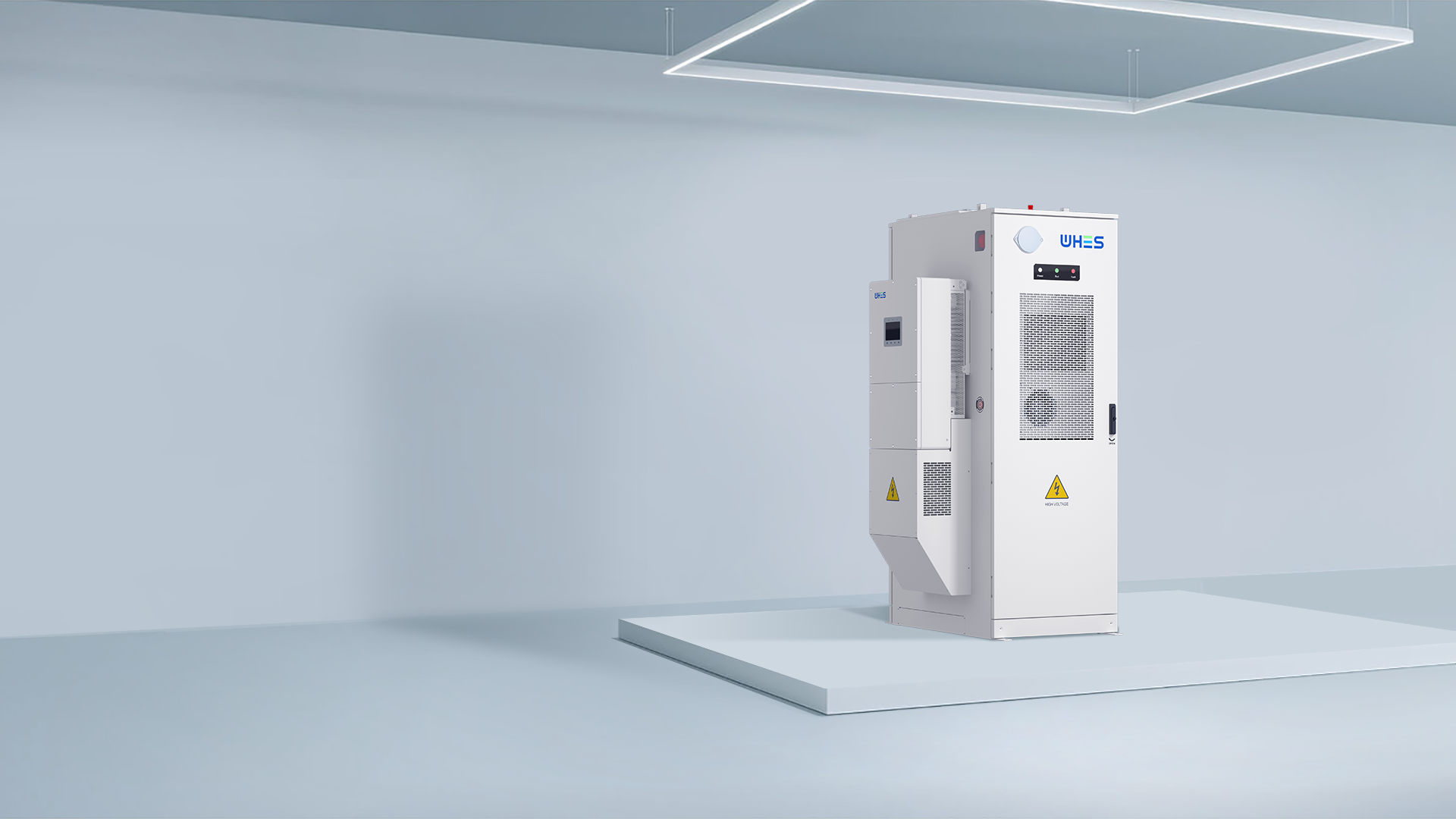
When these rules are in place, performance becomes predictable and SLAs meaningful. For a value proposition that blends integrated hardware, on‑board diagnostics, and transparent field performance, consider whether an off grid battery storage system is specified with the telemetry and warranty architecture you need.
WHES understands the trade‑offs and builds systems where SoH visibility and adaptive lifecycle models are core design features — practical engineering solving a practical problem. —