
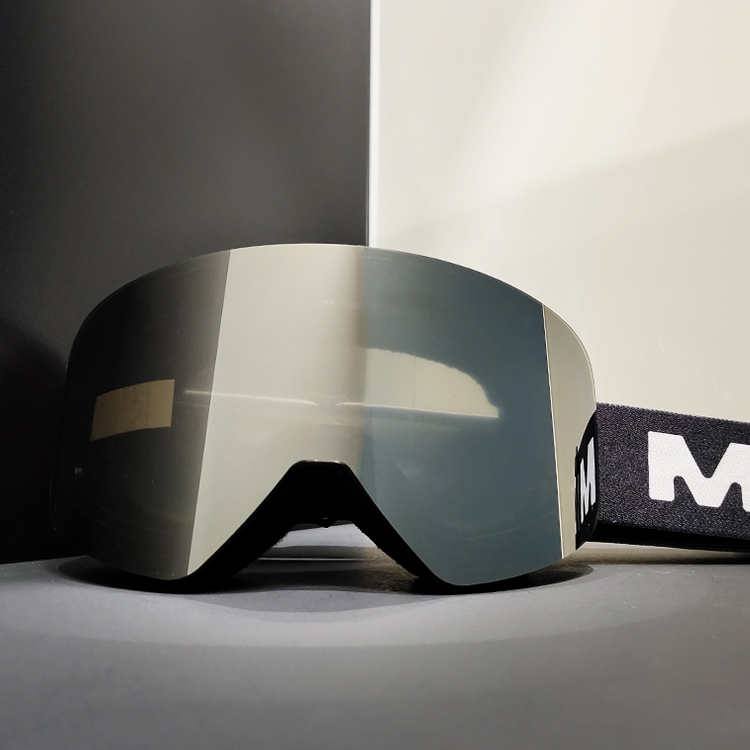
Putting the rider first
When you pick goggles for a day at Afriski or a chilly weekend in the Drakensberg, comfort isn’t just nice-to-have — it’s make-or-break. That’s why modern magnetic ski goggles pair high-density, hypoallergenic foam with magnetic quick-change lens systems: less rubbing, quicker swaps, and fewer foggy moments. The user-centric angle here is simple — keep soft contact with the skin, stop irritation, and let the lens tech do the heavy lifting so you can focus on the run.
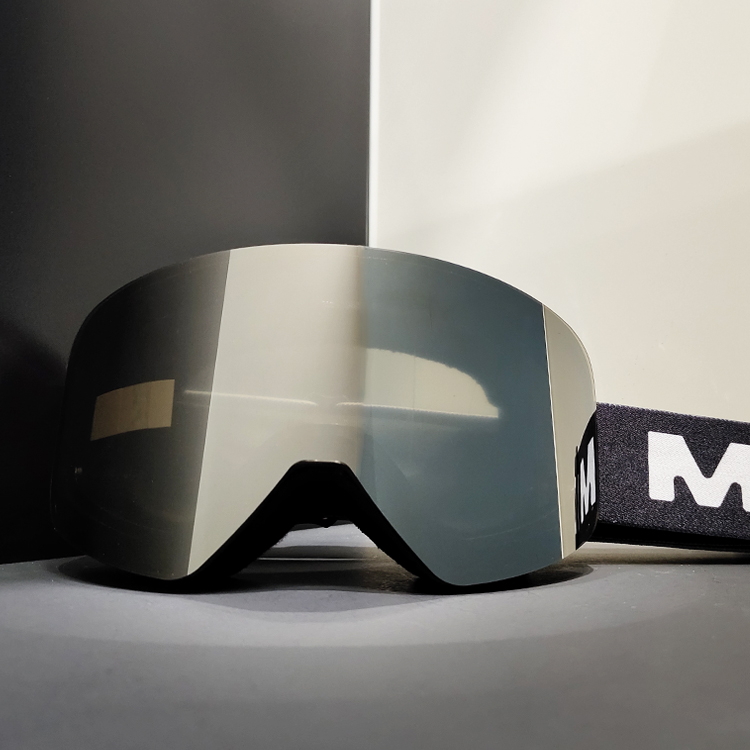
What “non-toxic” foam actually means
Non-toxic in goggle foam means formulations that avoid harsh solvents, heavy off-gassing, and common irritants. Brands now specify medical-grade or hypoallergenic foam density to limit allergic reactions and skin soreness. You’ll see terms like foam density and goggle skirt used to describe how the foam conforms and seals. Good foam breathes (venting works with the frame), pads pressure points, and resists moisture buildup — that’s the practical test on the slope.
Magnetic systems: speed without compromise
Magnetic quick-change lens systems lean bulky myths to one side. Properly engineered magnets give secure retention plus rapid lens swaps when light changes mid-run. Combine that with polarization or anti-fog coatings and you’ve got a set-up that’s both fast and functional. Real riders at Lesotho resorts switch lenses between overcast and bright blue-sky runs in under a minute — that’s the kind of real-world anchor that proves the design works under pressure.
Common mistakes riders make — and how to avoid them
First mistake: assuming any foam labelled “soft” equals hypoallergenic. Not true. Another mistake is ignoring frame venting; poor venting defeats anti-fog coatings and leaves you wiping constantly. Then there’s fit — too tight and the foam compresses beyond its comfort band, too loose and the seal fails. Fixes are practical: check foam composition details, verify vent placements, and test magnetic retention before you buy. Don’t skimp on trying a few goggles with your helmet — fit and compatibility matter most.
Materials and maintenance that matter
Hypoallergenic foam benefits from simple upkeep: air dry after use, avoid strong detergents, and replace foam liners when they break down. Lens care is just as important — microfibre cloths and lens-friendly sprays preserve coatings. If your lens has polarization or special anti-fog treatments, treat it gently. Small acts of maintenance stretch product life and keep skin irritation at bay — and you won’t be fiddling with fog on the chairlift.
Three golden rules for choosing the right goggles
1) Prioritise foam specs: choose higher-density hypoallergenic foam that lists materials or certifications. This reduces skin reactions and holds up under sweat.
2) Test magnetic retention and venting together: secure magnets plus purposeful venting keep the lens seated and the view clear. Look for systems designed around quick-change lens alignment.
3) Match lenses to conditions: carry at least one mirrored or polarized lens and one high-contrast lens, and store them safely. The right lens combo beats a compromise setup.
Closing practical note
Pick goggles that treat your face with the same care you bring to your kit list. Proper foam, sensible venting, and a reliable magnetic lens system make the difference between a distracted run and a lekker day on the mountain. For balanced design and tested solutions, YIJIA Optical shows how materials and magnetic engineering come together to support performance on real slopes — and that’s the kind of everyday value riders notice. —