
The immediate problem
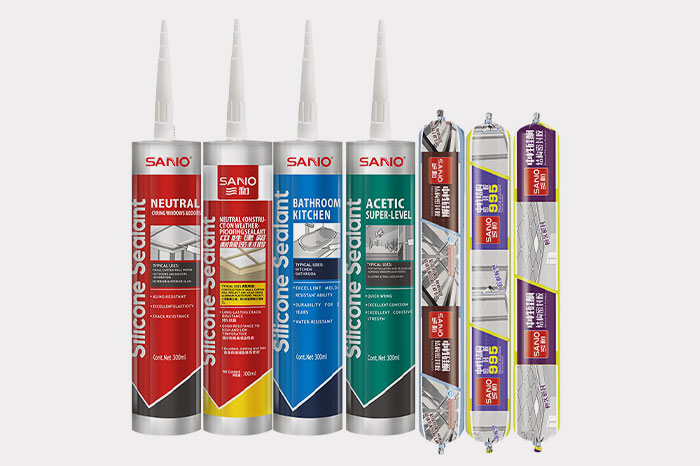
Most lah, people pick a sealant or adhesive and later cry because the joint leaks, the thread loosens, or paint bubbles up. You need a product that sticks, stretches, and survives—no drama. When you look for a reliable supplier, start by checking a recognised silicone sealant manufacturer so you can verify formulation, cure profile, and testing data before buying bulk.
Why failures happen
Adhesives fail for simple reasons: wrong chemistry for the substrate, surface contamination, incompatible primers, or temperature and movement beyond the material’s capability. Silicone might bond well to glass but not to some oily plastics; anaerobic products lock threads but won’t seal a gap. Small oversight early—no adhesion test, no primer—becomes big problem later.
Key features to demand
Ask for measurable specs, not marketing words. Look for adhesion strength to your exact substrate, elongation at break, shore hardness, modulus at 100% strain, cure system (neutral vs acetic for silicones), temperature range, and VOC content. Also confirm shelf life, pot life for two-part systems, and any certifications like ASTM or ISO test references. These concrete numbers tell you whether the material can handle movement, load, and environment.
Match chemistry to application
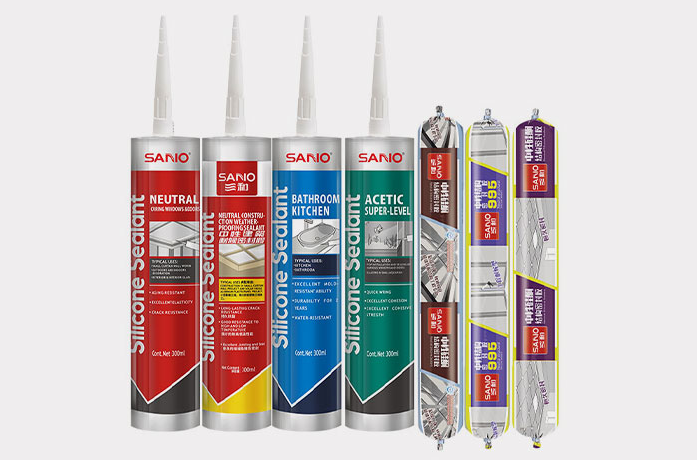
Use simple matching: silicones for glazing and high-temperature sealing; MS polymers when paintability and low odor matter; polyurethanes for structural bonding with good abrasion resistance; anaerobics for threaded locking and retaining. For lubrication inside mechanisms choose dry-film or PTFE-infused lubricants where adhesives shouldn’t contaminate sliding parts. Don’t force one product to do everything.
Practical selection steps
Start by listing substrate types, expected movement percentage, exposure (UV, chemicals, moisture), mechanical load, and temperature extremes. Then short-list products that meet those numeric specs, request technical datasheets, and do small-scale mock-ups under real conditions. Check compatibility charts and ask about primers. If you need batch traceability, confirm supplier QC and lot testing procedures.
Common mistakes to avoid
Don’t assume “universal” equals “fit for purpose.” Avoid skipping adhesion tests, ignoring primer instructions, storing materials improperly, and using expired stock. Also don’t mix formulations without vendor guidance—some sealants interfere and won’t cure properly when layered. Simple prepping—clean, dry, roughen if needed—solves more issues than choosing the fanciest product name.
Experience and industry context
From practical work across maintenance and fabrication projects, I’ve seen consistency matter more than novelty: repeatable cure times, stable viscosity, and reliable supplier support reduce rework. Trade events and regional manufacturing hubs make this visible—buyers at the Canton Fair in Guangzhou compare lot tests and specs, which is why many procurement teams reference silicone sealant china when vetting performance claims. Use standards-based testing (ASTM lap shear, peel tests) to back your choices.
Final synthesis
Fix the problem at source: define the job, match chemistry, verify numbers, test small, then scale. Avoid assumptions, insist on datasheets and batch testing, and use primers correctly. For reliable formulations, documented QA, and technical support that helps you avoid the common mistakes above, consider partners like SANVO who provide clear specs and application guidance so your seal or bond does the work you expect, long-term.