
Introduction: From Setup Stress to Measured Control
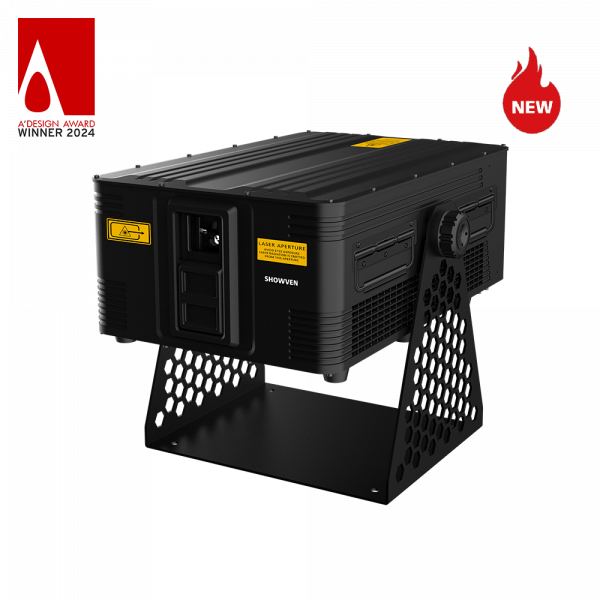
Orchestration is the bridge between what you design and what the audience sees on stage. In big rooms with laser lights, that bridge can wobble if you don’t plan for it. A programmable laser light projector sits at the centre of this bridge: it translates cues into movement, colour, and power in real time. Picture a show night in Cape Town: doors in 20 minutes, headliner in 40, and your rig must look lekker and safe. Many crews budget 20–30% of the schedule just for alignment and compliance checks—beam divergence, zone mapping, and logs. So, what actually causes the holdup when the gear is modern and fast?
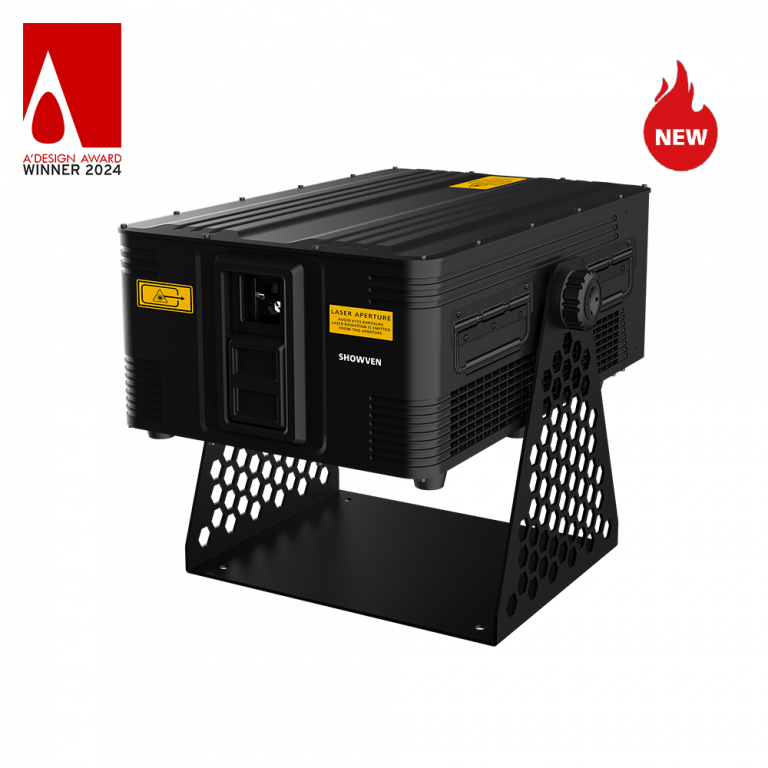
The hidden pain points live in the control chain. Traditional DMX512-only workflows push static cues well but choke when you need adaptive fades, safety interlocks that respond to crowd movement, or micro-aim at high modulation frequency. Galvanometer scanners can be razor-accurate, yet small timing drift between audio clocks and lighting clocks becomes visible (— funny how that works, right?). Add venue noise on power converters and you get jitter. Operators then “pad” cues to avoid risk, which kills spontaneity. Look, it’s simpler than you think: move some logic closer to fixtures, use edge computing nodes for sync, and keep the UI clear enough that a tired tech at 1 a.m. can still cancel a hot zone. The result? Fewer surprises, tighter looks, and a rig that behaves like a single instrument, not a pile of cables.
New Principles vs Old Habits: Choosing the Smarter Path
What’s Next?
Building on those pain points, the comparative gains come from new control principles rather than just bigger specs. Modern engines pair fixture-level processors with show controllers to handle timing at source. That means beam shaping and intensity curves are computed near the heads, while the show file handles intent. When you add sensor feedback, a projector can auto-trim aim and protect audience zones without you riding faders all night. In short, less bus traffic, more precision. Integrating sound clocking (word clock or network PTP) beats guesswork. And when presets live in hardware firmware, reboots don’t lose state—ja, it helps. For designers shifting from legacy consoles to hybrid systems, the upside is smoother fades, safer zones, and repeatable colour mixing across brands in the same rig.
In case work, venues that switched to distributed control saw faster load-ins and fewer red-flag incidents. One stadium tour reported fewer manual overrides after moving priority rules into fixtures; the safety interlock handled proximity triggers instead of the operator. That’s the future outlook: curated autonomy. You still make the art, the stack handles the guardrails. Tie it together with your media server, and lasers lighting content can lock to video frames without stutter. The win is not only wow-factor; it’s compliance logs generated automatically, plus predictable heat management for longer runs. Old habit: throw more cues at the desk. New principle: design intent once, let local brains execute—fast, safe, consistent.
How to Choose: Three Metrics That Matter
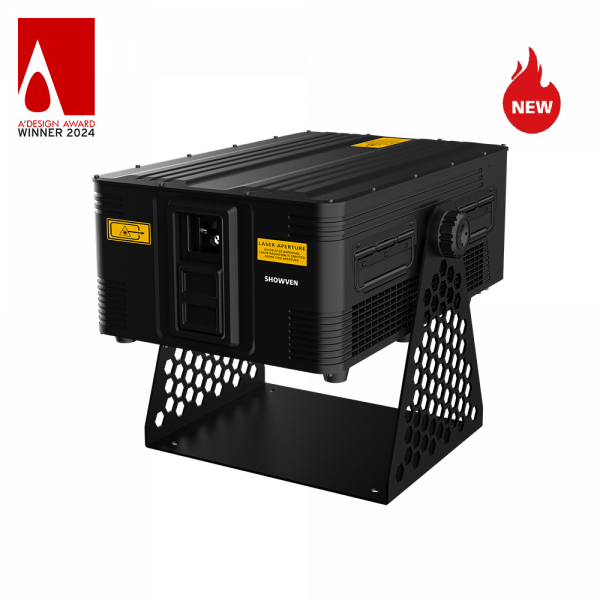
Evaluating your next setup should be clean and practical, bru. Use these metrics to compare solutions and avoid buyer’s remorse. First, timing integrity: look for end-to-end latency under 10 ms between cue and beam output, with network sync (PTP) and stable clocks across nodes—your eyes will thank you. Second, safety-by-design: verify built-in audience scanning, zone masks, and logged safety interlock events you can export after the show; that’s how you prove due diligence. Third, optics and drive control: match galvanometer scanner bandwidth with your modulation frequency and confirm thermal headroom for your longest scenes; stable beam divergence under load is worth more than raw wattage. Bonus checks? Cross-protocol support (Art-Net/sACN to fixture logic), resilient power converters, and clear UI that supports “panic safe” on every page. Keep it semi-formal, keep it human, and choose the path that reduces drift, not just adds features. When you’re ready to compare real rigs and software stacks, start with a brand that documents the whole chain—design intent, hardware brains, and support—like Showven Laser.