
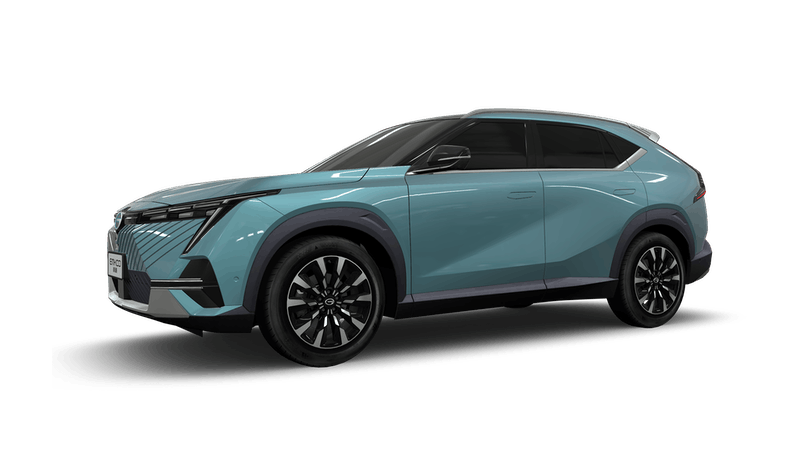
Starting the comparison — plain as day
Right then: if you’re weighing a newcomer against the usual suspects, you need a tidy way to size things up. This piece uses quick, practical checks so you can judge value, service reach and running costs without faffing about. For hands-on browsing, see GAC MOTOR online, and note how interest from urban buyers in Manila has nudged several brands to sharpen their city-car offers.

What matters most — the comparison framework
Look at these points first and treat them like a shortlist you can tick off when test-driving or talking to dealers:- Purchase price and trim that match your daily needs.- Dealer coverage and parts availability within easy reach.- Warranty length and what it actually covers.- Fuel economy or energy costs for electric options.- Cabin practicality: boots, seating and visibility for tight streets.- Safety kit that’s standard rather than optional.- Expected resale value where you live.These are the things that make a car sensible for everyday driving. If a model fails two or more, think twice.
GAC’s clear strengths and the bits that need caution
GAC tends to offer sharply priced kit with generous standard features. Expect modern infotainment, driver assists and tidy cabin appointments that punch above the price. You’ll likely see competitive warranty terms that comfort buyers worried about early faults. On the flip side, dealer and parts networks aren’t as dense as long-established players; that affects convenience and quick repairs. Perception and resale are patchy because not all buyers know the marque yet. Those are straightforward trade-offs: value and features versus convenience and long-term market standing.
How GAC stacks up against common alternatives
Compare like-for-like so the choices make sense for your routine:- Toyota: Proven reliability, broad service reach, strong resale. Often pricier for comparable equipment.- Mitsubishi: Tough, simple mechanics and decent dealer coverage. Less flashy on tech.- Hyundai: Big kit lists and improving resale; good warranty and growing service network.- Suzuki: Low running costs and small-car mastery; limited premium features.Against these, GAC’s edge is equipment and price. Its weakness is fewer local touchpoints for fast repairs and resale familiarity.
Match-your-needs scenarios — pick the right angle
Think of your day and choose accordingly:- Daily commuter with tight streets: favour compact size, nimble handling and good visibility.- Family with school runs: prioritise cabin space, child-seat fitment and a sensible boot.- Business user: assume a decent aftersales network and predictable maintenance costs.- Early EV adopter: check local charging options and warranty for batteries specifically.If you want kit for the money and can reach a service point without faff, GAC can be a strong choice. If you need instantaneous nationwide support, look at longer-established networks.
Common mistakes buyers make
Avoid these slips: buying purely on headline price without checking local parts stock; assuming all warranties cover wear items; ignoring resale realities in your area; skipping a proper test drive for the trim you’ll actually use. Ask a dealer to show real service turnaround times and confirm availability of common replacement parts before you sign anything.

Decision nudge — practical next steps
Book a test drive of the exact trim you want, check nearby service centres for response times, and compare total running costs over three years rather than just sticker price. Weigh how much you value factory-fitted tech versus the convenience of dense service coverage. If you want solid kit and sensible warranty and can reach a dealer comfortably, this brand is worth a close look — and seeing the range at GAC MOTOR will make the trade-offs plain and practical.