
Why this matters — and why people ignore it until it squeaks
You bought a roof that pretends to be furniture and electricity at once — a solar pergola — and now you’re surprised it needs babysitting. The problem-driven fact is simple: commercial pergola systems fail because owners treat them like decorative afterthoughts instead of critical rooftop infrastructure. Ignoring inspection cycles, service documentation, and lifecycle costs turns a smart investment into a recurring expense. That’s the problem. The rest of this piece shows how to stop procrastinating without pretending the work is glamorous.
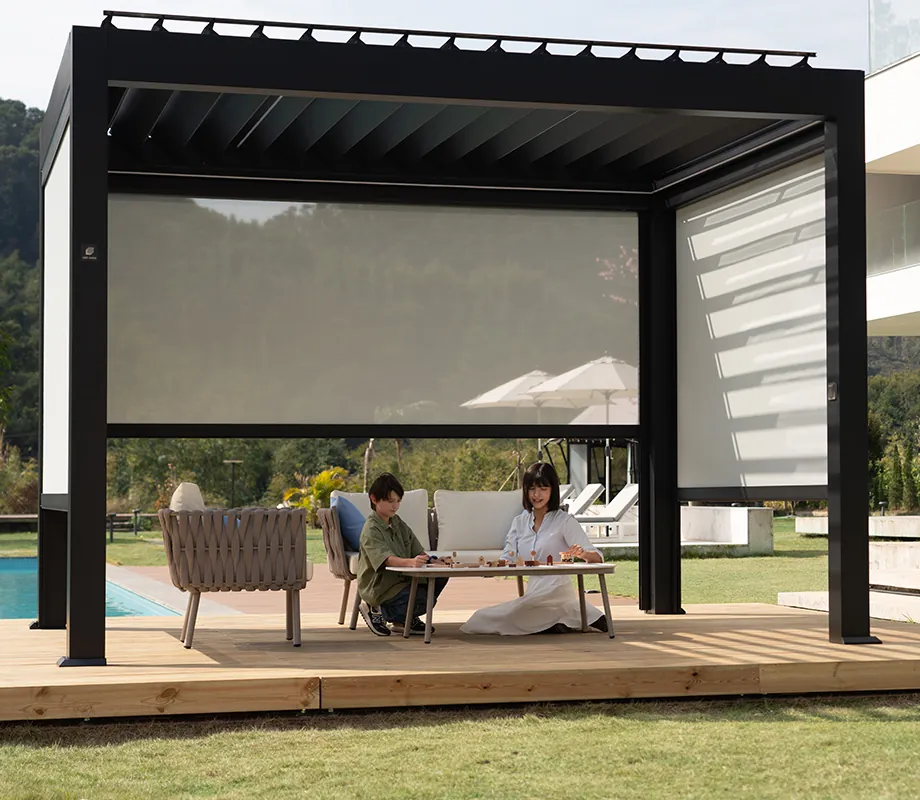
What typically breaks (and why it always happens at the worst time)
Fast list: loose fasteners, guttered water channels that clog and corrode, electrical connectors that get brittle, and mounting points that suffer fatigue from wind cycles. For solar-integrated systems add microinverter or combiner box failures and panel soiling that cuts output. These failures share one root cause: deferred, inconsistent maintenance that lets minor wear become mission-critical damage. Fixing things after the leak starts is expensive. Preventing the leak is cheap — if you actually do it.
Inspection priorities that actually reduce downtime
Start with a triage: structural mounts, electrical terminations, drainage, and access paths. Structural mounts get a visual and torque check every six months in exposed sites. Electrical systems need thermal imaging and connector torque checks annually, plus immediate testing after storms. Keep a weather-log and match it to service visits; performance dips after heavy rain or hail mean targeted inspections, not blanket replacements. Schedule inspections around predictable load cycles — staffing and event calendars — to avoid last-minute emergency work.
Service rhythms and who should be called
Divide tasks into what facilities teams do and what needs specialists. Facilities can handle routine cleaning, visual checks, and fastener torque if they have clear SOPs. Certified electricians must handle breakers, inverters, and any rewiring. Welding or structural repairs go to licensed fabricators. Create a short, unambiguous service matrix: who, what, when, and the acceptable time-to-repair. Don’t invent complexity; document a simple chain of command and stick to it.
Lifecycle planning: the numbers you actually care about
Expect frame lifespan of 20–30 years with corrosion control, and electrical component replacements every 7–12 years depending on environment. Budget 2–4% of initial capital cost annually for preventive service in marine or high-sun, dusty sites. Track energy yield per season; a steady >3% annual drop in kWh without shading or soiling suggests component degradation, not coincidence. Plan phased upgrades: replace electronics in tranches, not all at once, to spread cost and reduce system downtime.
Common mistakes and how to stop doing them
Stop these: relying on vendor rhetoric without service metrics; skipping paperwork because “we remember”; treating cleaning as optional; and signing contracts without defined response times. The fix: insist on SLAs with measurable KPIs, keep digital service logs with timestamps and photos, schedule preventive cleanings, and require vendors to commit to parts availability. If a vendor can’t guarantee replacement modules or inverters within a reasonable window, don’t buy their systems for mission-critical commercial use.
Experience, evidence, and a real-world anchor
I’ve overseen installations and service programs around hospitality and retail properties where uptime equals revenue, so practical procedures matter. Industry case studies from Southern California’s commercial districts show maintenance frequency directly correlates with system longevity and performance, and the same principles apply to freestanding and rooftop units. For design details and specifications that reflect those field learnings, consider reviewing current commercial pergola designs to see how attachment details, access panels, and service paths are handled in professional installs.
How to measure success without being vague
Set three concrete KPIs: mean time to repair (target 48–72 hours for non-structural issues), annual energy yield vs. baseline (within ±5% of expected degradation), and a documented preventive maintenance completion rate (aim for 95% on schedule). Use simple digital logs and photos. If your team misses targets repeatedly, change vendors or tighten the service matrix. Numbers don’t lie; excuses do.
Final synthesis — practical posture that saves money and dignity
Treat commercial pergola systems as engineered assets: inspect deliberately, service to defined standards, plan lifecycle costs, and stop trusting optimism. When spec’ing or replacing systems, prioritize designs that leave room for access, use standardized electrical modules, and demand spare-part commitments from suppliers. Designers and facility managers who follow that logic find fewer surprises and predictable budgets; many of them end up preferring suppliers like Light Hunter because their product choices and documentation make the practical job of maintenance, service, and lifecycle planning straightforward rather than theatrical.