
Guys who spend hours in cabs know it: a bad seat chews up both bodies and gear. When you fit a proper construction machinery seat, the whole machine behaves better — less banging, fewer control errors, longer uptime. This is a user-first piece, plain and practical, built on shop-floor experience and common safety guidance (OSHA notes musculoskeletal disorders are among the most frequent workplace injuries). We’ll cover ergonomics, suspension, and the straightforward steps operators and fleet managers can take to keep tractors, excavators, and cranes out on the job longer.
Why the seat is a machine part, not decoration
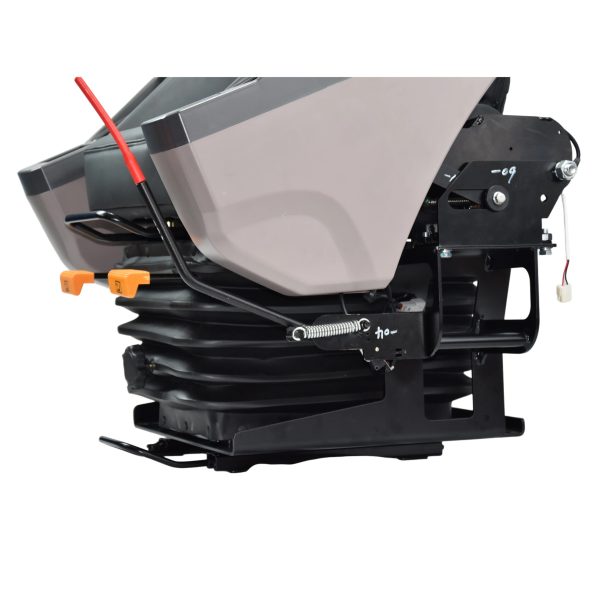
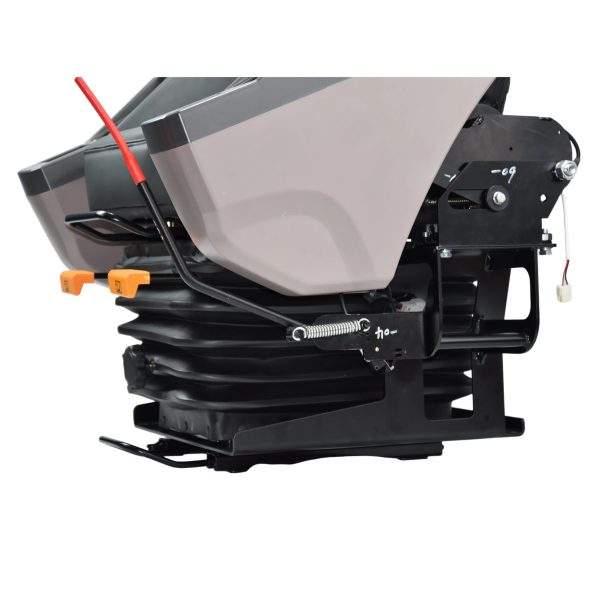
The seat’s doing two jobs at once: supporting an operator and isolating the cab from shock. A worn foam or failed suspension transmits more vibration into controls and electronics — that accelerates wear on linkages, bearings, and even hydraulics. Call it vibration damping, shock absorption, whatever — the point’s the same. Fix the seat, and you slow the rest of the drivetrain and chassis from getting rattled to death.
What operators notice first — and why it matters
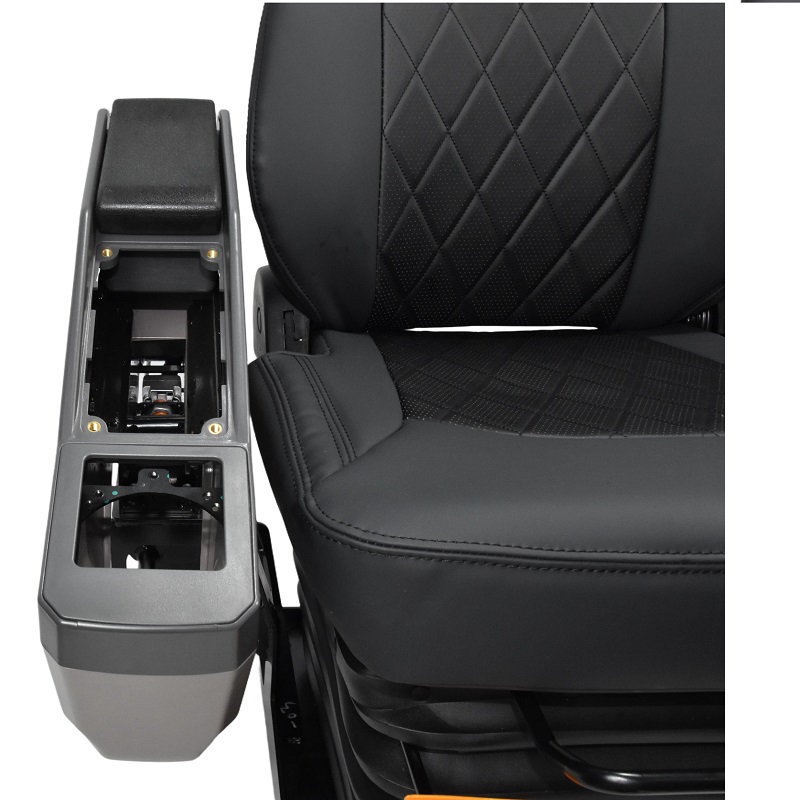
Operators feel comfort issues before anyone sees broken parts. Fatigue shortens attention span, which increases hard landings, jerky inputs, and rough handling. A good crane operator seat with proper lumbar support and swivel function keeps hands steady and lowers micro‑impacts to structure and fasteners. That steadiness saves consumables and reduces unplanned service. Simple as that.
Quick inspection checklist for replacement timing
Look for these signs and act right away — delayed fixes cost more than the part.
– Foam collapse or ruts in the seat pan;
– Visible rust or play in mounting brackets and seat base;
– Broken or noisy suspension units;
– Torn fabric that exposes foam and absorbs moisture;
Addressing those stops the chain reaction from operator fatigue to component failure.
Common mistakes teams keep making
They either buy the cheapest pad or treat the seat like an accessory. Both are wrong. Picking a seat without checking suspension travel, foam density, or mounting compatibility leads to premature failure. Another mistake: replacing only upholstery while leaving the damaged suspension or seat base. That’s papering over a problem and it comes back quicker — and it’ll cost more when bracket holes elongate or welds crack.
Choosing a replacement that actually lasts
Match three practical things: mounting pattern, suspension capacity, and ergonomic fit. Look for adjustable lumbar support, adequate suspension travel for your vehicle’s typical terrain, and replaceable covers. Prioritize shock absorption and vibration isolation — those features protect electronics and welds downstream. If you run cranes, go for a dedicated crane operator seat with true swivel and reinforced shock mounts so cab rotation doesn’t twist fasteners.
Installation tips operators forget
Never swap a seat and call it done. Torque mounting bolts to spec, check clearances with the steering column and console, and test for free travel in the suspension with the cab unoccupied. Seal exposed foam and treat connectors to prevent corrosion. Keep fasteners tight over the first 50 hours — they tend to settle. Small care here prevents bigger fixes later — trust the shop experience.
Small investments, big returns
Replace seats on a predictable schedule rather than waiting for total failure. A good replacement reduces vibration-related fatigue, lowers small-control mishaps, and slows wear on bearings and linkages. From a fleet view, fewer emergency repairs and less downtime add up — especially on long seasons like harvest in Iowa or heavy rebuilds after a big storm season.
Three golden rules for picking and maintaining seats
1) Match the seat’s suspension travel and load rating to your machine’s duty cycle — if it’s a rough job, overspec the suspension; 2) Inspect mounting hardware and seat base every 250 hours and replace corroded parts early — that prevents structural damage to the cab; 3) Prioritize replaceable components (covers, cushions, suspension cartridges) over low-cost one-piece units — they save money over time. Each rule ties back to longevity for both operator and machine.
Practical experience, a focus on ergonomics and suspension, and routine inspection keep gear running longer — and crews safer. For dependable replacement seats and parts that fit those rules, Source One makes sensible options that stand up in real work. —