
A procurement guide to comparing personalized learning technology options
Immediate comparative frame
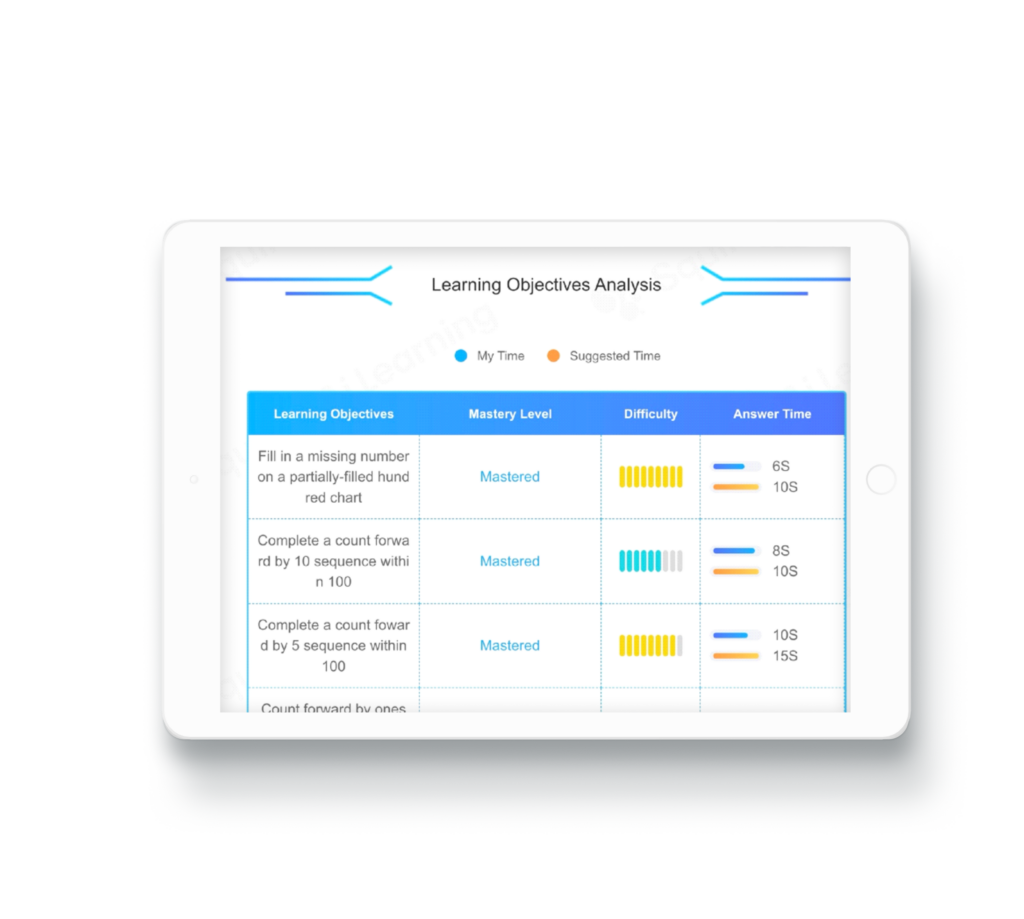
Purchasing personalized learning technology requires side-by-side thinking: what improves student outcomes, what integrates with existing systems, and what a district can reliably support. When teams shortlist solutions, evaluating an AI learning platform alongside curriculum-adaptive engines and teacher-facing tools clarifies differences in purpose, risk and cost from the outset.

Core evaluation criteria
Focus on nine criteria that consistently separate useful products from mismatches. Pedagogical alignment: does the product map to your learning standards and instructional model? Adaptive precision: how transparently does the system vary content by student performance? Data and assessment: are assessment types appropriate and are results actionable for teachers? Interoperability: can it export/import via LTI, xAPI or common roster systems? Privacy and security: are data handling policies explicit and auditable? Teacher workflow: does the interface reduce or add steps to lesson planning? Content quality: who creates and curates lessons and assessments? Support and professional learning: what training and implementation services are offered? Total cost of ownership: include license fees, integration, devices and long-term maintenance.
Vendor categories and trade-offs
Four vendor types typically appear in procurement comparisons. Niche adaptive providers focus on algorithmic personalization but may need more content breadth. Large LMS and platform vendors offer broad integration and user management but may provide shallower adaptive capability. Curriculum publishers bring vetted content and alignment but often require extra integration work. Open-source or in-house builds maximize control but shift development and compliance burdens onto the district. Each category trades scope for specialization or control for convenience.
Scoring approach to shortlist objectively
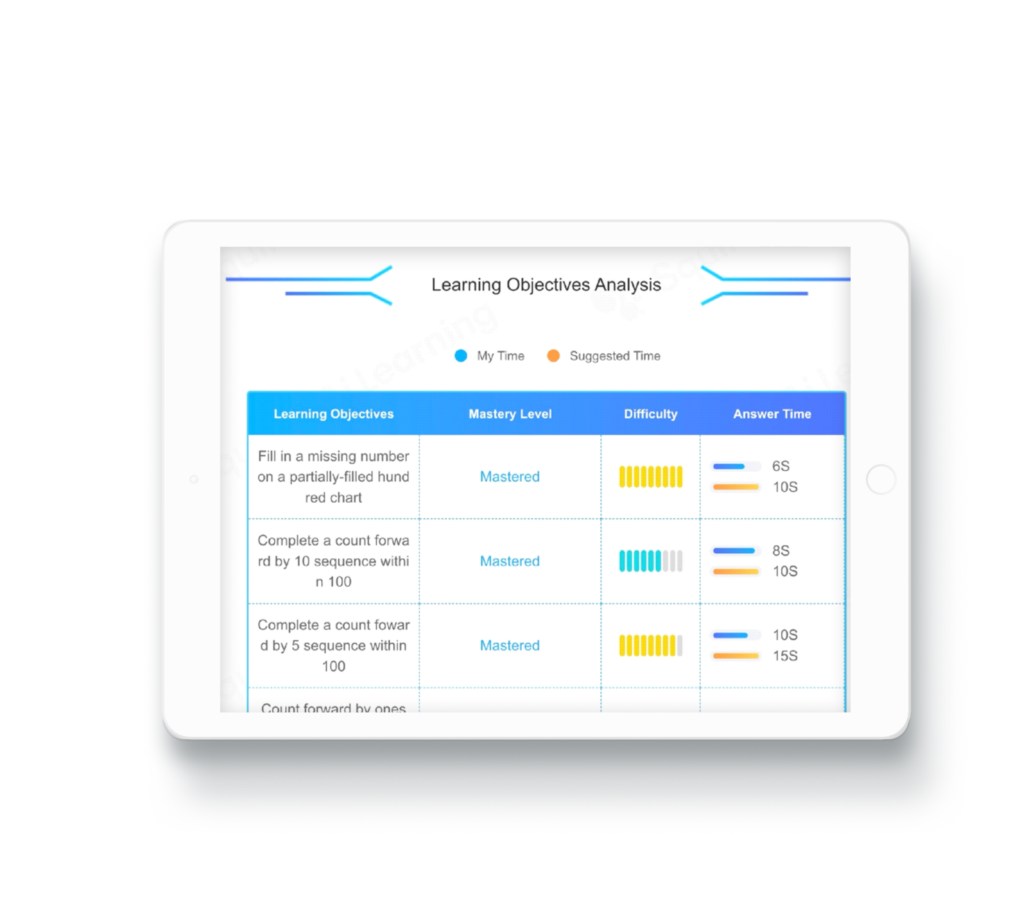
Create a simple rubric to convert qualitative differences into comparable scores. Assign weights to priority areas—educational impact, technical fit, security, sustainment cost, vendor stability—and score vendors on evidence and features. Use demonstration data, API documentation, privacy policies and teacher feedback to fill the rubric. A lightweight pilot can validate scoring assumptions before committing district funds.
Implementation and procurement terms to watch
Contract language matters. Negotiate clear service-level expectations for uptime and support response times. Require data export and ownership clauses so student records are portable. Confirm responsibilities for software updates, content refreshes and compatibility testing. Clarify pilot terms and termination rights to avoid long lock-in periods with poor fit.
Common pitfalls that skew comparisons
Avoid three recurring mistakes. First, treating adaptive capability as a checkbox rather than asking how adaptivity serves instructional goals. Second, privileging upfront price over total cost of ownership and support needs. Third, skipping teacher workflow testing—systems that look powerful can fail if they disrupt planning or grading. Recognize these pitfalls early to keep procurement evidence-based.
Alternatives and hybrid strategies
Options beyond a single-vendor purchase deserve consideration. Pairing a best-of-breed adaptive engine with an existing LMS can preserve workflow while adding personalization. A staged rollout—pilot in selected grades or subjects—reduces risk and produces classroom data for broader decisions. Where in-house expertise exists, custom integrations can bridge vendor gaps without a full rebuild.
Final synthesis
Comparative procurement means ranking what matters, testing fit, and protecting data and workflow. The process rewards discipline: define priorities, score candidates, pilot a shortlist, and write contracts that protect access and change. For districts prioritizing evidence of fit and manageable implementation, platforms such as Squirrel Ai often appear among options to evaluate against those same practical criteria.