

Understanding the Landscape
Picture this: A small jeweller in Edinburgh faces constant challenges in delivering intricate designs due to outdated methods—did you know that nearly 60% of artisans experience delays in production? In the realm of jewelry casting services, the intersection of technique and technology has never been more crucial. The quality of your casting process directly affects not only the aesthetic appeal of your pieces but also your bottom line.

The Traditional Pitfalls
The reliance on traditional casting methods often leads to flawed outcomes. I vividly remember a time when a client brought in a stunning design, only for it to come out with air bubbles and imperfections. This scenario isn’t unique; many artisans and businesses face similar frustrations. The use of sand casting can often yield inconsistent results, and without adequate temperature control, you might end up with a batch of unusable pieces—a waste of both materials and time. What’s imperative here is understanding that not all jewelry casting techniques are created equal.
What’s Wrong with the Old Way?
In my experience, the flaws in traditional casting methods stem from a lack of precision and control. These processes often require significant manual intervention, leading to variations in quality. The push for quicker turnaround times can compromise the integrity of the final product, resulting in the need for reworks—an unfortunate cycle that no jeweller wishes to be trapped in. While artisan charm is essential, embracing modern technology could be the key to overcoming these challenges. So, what’s next for the industry?
The Shift Towards Innovation
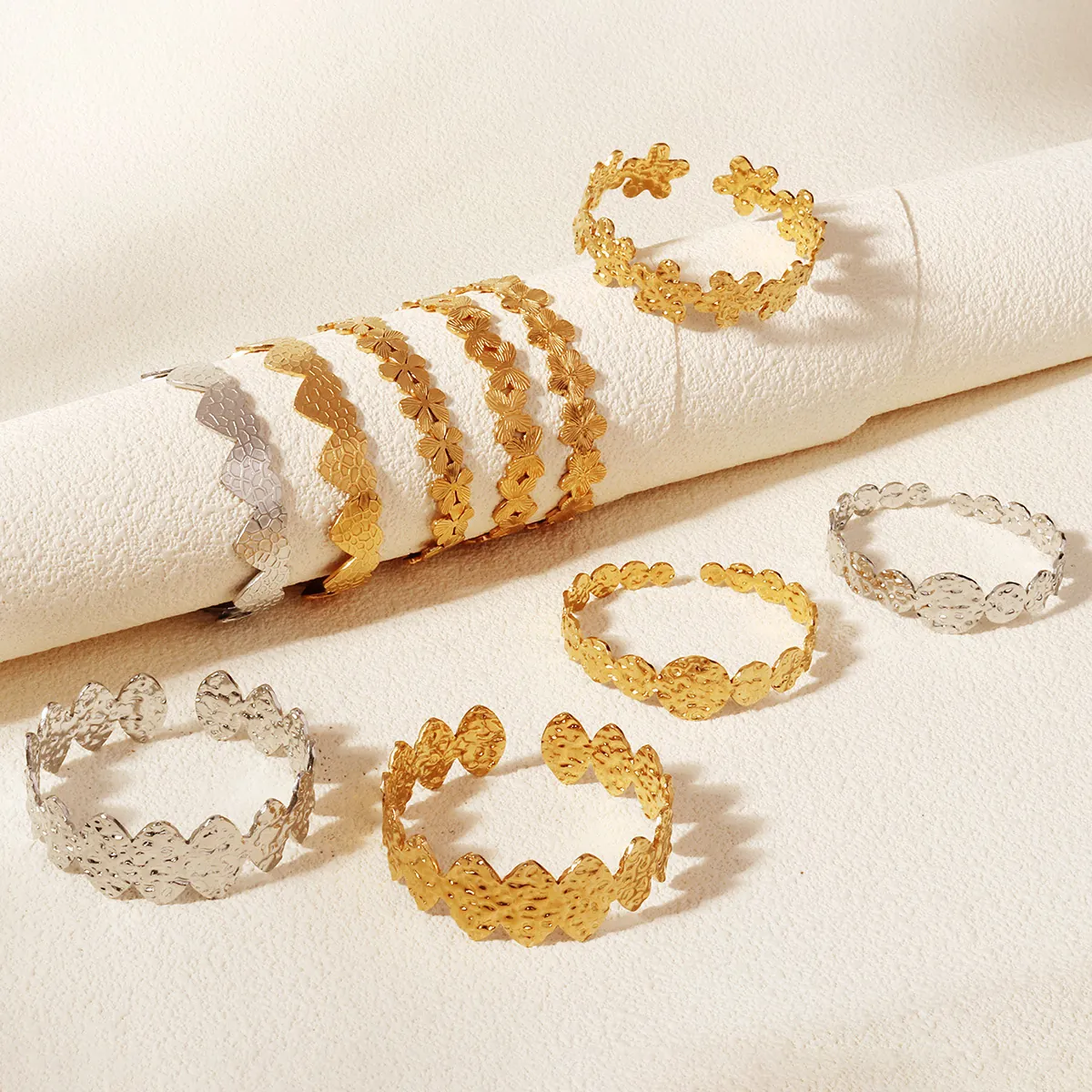
The jewellery industry stands on the brink of transformation, and embracing advanced tech is paramount. Today, innovative jewelry casting services are leveraging 3D printing to pare away the pitfalls of traditional methods. I strongly believe that these advances can equip jewellers with unparalleled precision—reducing errors and enhancing the clarity of designs. In fact, the adoption of these services in recent years has led to quicker production times and significantly lower waste. By transitioning smoothly to a more tech-savvy approach, artisans can not only preserve their craft but thrive in modern markets.
Real-world Implications
Imagine the impact of utilising cutting-edge casting technologies: jewellers can reduce their production timelines and elevate the quality of their offerings. Not only does this cater to the rising consumer demand for bespoke pieces, but it also enhances the financial viability of smaller establishments. By choosing to invest in jewelry casting services that favour innovation, artisans can unlock new opportunities for growth and excellence in craftsmanship. It’s a forward-looking perspective that promises to reshape the landscape of jewellery design.
Evaluation and Growth
Throughout my journey, I’ve learned several vital lessons. Embracing new casting technologies not only aids in reducing defects but also fosters improved customer satisfaction—allowing businesses to outperform their competition. I recommend evaluating potential solutions based on three key metrics: production efficiency, material waste, and customer feedback. The ongoing challenge is finding the right balance between tradition and progression—while keeping the essence of jewellery-making alive.
In conclusion, the evolution of jewelry casting is not merely about adopting the latest technology; it’s about recognising the inherent value of quality and craftsmanship. The future belongs to those who can adapt, innovate, and meet the ever-changing landscape of customer preferences. Working with quality partners like Star Harvest can help you realise this vision and ensure that you’re not left behind in a competitive market.