
Introduction
I still laugh at the first time I watched a shop cancel an order because a spindle hiccupped—classic rookie day. CNC machining center manufacturers are always telling you about specs and tolerances, but the shop-floor truth is messier: many small shops lose measurable hours each week to preventable downtime (industry whispers say a lot—don’t quote me). So what’s actually causing the delays, and how do we stop repeating the same mistakes?
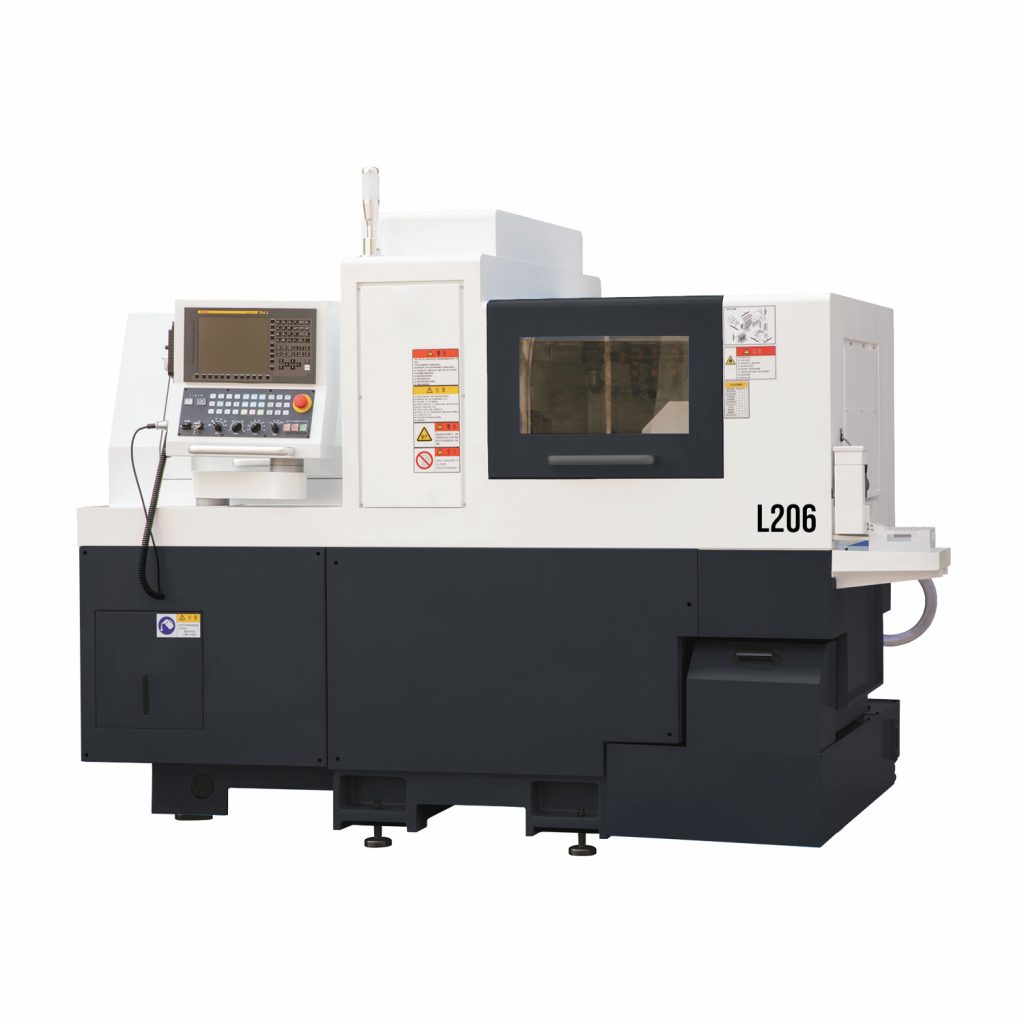
Picture a mid-sized shop that runs two shifts and relies on a single high-speed spindle, a basic tool changer, and a tired coolant system. They ship late three times a month. The cost? Not just money—stress, lost trust, and frantic nights. I ask this because I’ve seen it: we can fix the machines, but fixing the habits takes longer. — funny how that works, right?
In the next part I’ll dig past glossy brochures and look at the real weak spots that hide under maintenance logs and control panels. Let’s move on.

Why Common Fixes Often Miss the Point
cnc machining center manufacturer pages love to list horsepower, axis counts, and cycle times. Those specs sell machines. They do not, however, explain why a line of machines all start to chatter after a season of humid weather. The simple truth is that many fixes focus on parts—replacing ball screws, swapping a spindle—without changing the underlying process that lets wear happen in the first place. Tool changer jams, axis alignment drift, and servo drive tweaks are symptoms, not root causes.
What really breaks down?
Here’s a technical snapshot: backlash creeps in when axis preload is ignored; coolant contamination eats bearings faster than you think; PLC logic can hide repetitive faults by masking alarms. Look, it’s simpler than you think—regular checks that catch slight changes beat emergency repairs every time. We need to treat maintenance like a set of habits, not a list of desperate errands.
Two practical points I’ve learned on the floor: log changes to spindle speed and tool life, and correlate them with production quality. When you do that, trends show up. And once trends exist, you can plan instead of panic.
New Technology Principles for Smarter Machining
As we look forward, the smartest shops blend simple discipline with new tech. I’m talking edge computing nodes that collect vibration and temperature, predictive maintenance models that flag a bearing before it fails, and smarter power converters that smooth out feed inconsistencies. These are not magic; they are principles: sense, analyze, act. If you pair these with good habits—daily axis checks, clean coolant, routine tool inspection—you get reliability that scales.
What’s Next for exporters and shops?
For shops that ship overseas, or work with a cnc machining center exporter, the rules shift slightly. You must think about repeatability across climates and different operators. So add environmental sensing and tighter setup docs. Semi-formal steps here make a big difference: standardize the setup, document the tolerances, and use simple alerts that your team actually reads. — and you know it helps.
To pick a solution, I recommend three metrics: uptime improvement (how much downtime drops), total cost of ownership change (include spare parts and labor), and integration ease (can your team use it without a PhD?). Measure those, and you’ll choose better. For real-world help and dependable equipment, check out Leichman.