
Problem first — what’s actually going wrong
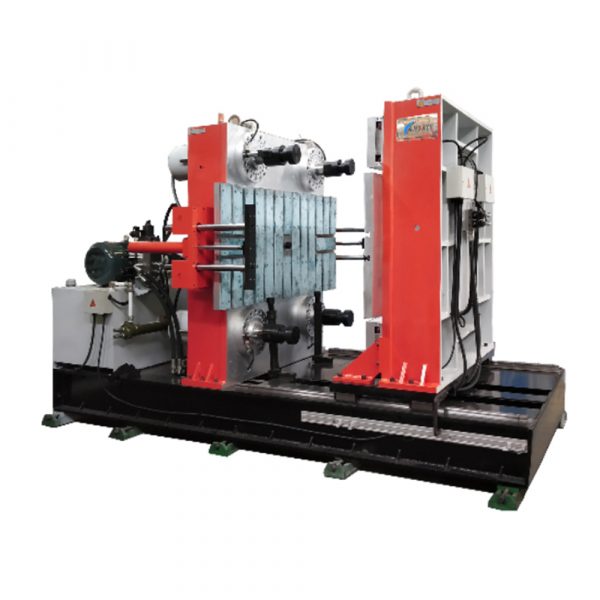
Machines that heat and compress rubber concentrate lots of energy in small spaces, and when hydraulic pressure or a clamping system fails, the consequences are immediate. I’ve seen close calls at a midsize plant near Cleveland where a faulty pressure relief valve allowed sudden piston movement; that day we rewrote the lockout-tagout steps for the whole line. Modern setups often pair an injection unit with a horizontal rubber injection molding machine for consistent runs, but that reliability only helps if the hydraulic circuits, clamping force, and safety interlocks are managed right. OSHA notes machinery hazards as a frequent source of serious workplace injuries, so fix the basics before you add bells and whistles.
Root causes you can diagnose fast
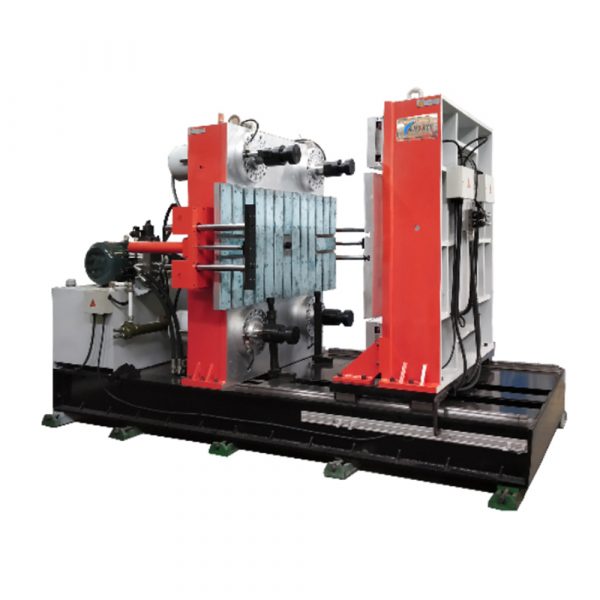
Most incidents trace to a few repeatable problems: degraded seals causing unpredictable pressure spikes, worn hydraulic hoses that burst under load, improper setup of the mold cavity or clamping force, and bypassed safety interlocks. Maintenance lapses let contamination change fluid viscosity and wear valves faster. Controls can be electrical, mechanical, or procedural — but the best results come from layering them so one failure doesn’t become a disaster.
Concrete controls that actually stop failures
Start with engineering fixes: fit reliable pressure relief valves, install redundant pressure sensors, add mechanical guards around moving platens, and enforce safety interlocks that prevent cycle start when a gate is open. Combine that with a strict preventive maintenance plan for hoses and pumps, and a calibrated torque schedule for clamping bolts. Train operators on abnormal sounds or tremors in the hydraulic circuit — those are early warning signs. And keep records of pressure tests; they’re cheap proof that systems were checked.
Common mistakes teams keep making
Many places treat safety as paperwork. They skip load-testing the clamping system, delay replacing hoses until visible cracks appear, or let techs override interlocks during production pressure. Another mistake is a one-size-fits-all maintenance interval. Different molds and cycles stress systems differently, so schedules must be based on actual duty cycles and run-hours — not just calendar days. Small oversight adds up fast.
A practical checklist for plant safety officers
Use this quick list on the shop floor:
– Verify pressure relief valves and setpoints monthly; log the results.
– Inspect hoses and fittings on every major downtime; change at first sign of abrasion.

– Test safety interlocks and emergency stops at shift start.
– Calibrate pressure sensors every quarter and after any repair that affects fluid flow.
– Run a simulated fault drill twice a year so operators and maintenance crews know shutdown sequences.
Three golden rules for picking fixes and machines
1) Fail-safe first: Always choose solutions that default to safe on power loss — mechanical guards and spring-return valves beat purely electronic backups for critical stops. 2) Measurable maintenance: Pick metrics you can test and record — peak hydraulic pressure under load, leak rate in psi per hour, and mean time between failure for hoses. If you can’t measure it, you can’t improve it. 3) Fit-for-duty equipment: Match machine capacity to the job. A too-small injection unit or an underspecified clamping system forces components to run at higher pressure and shorter lifespans, which raises risk. For reliable platforms that align with these rules, look at established builders of horizontal molding machine lines that document load ratings and service intervals.
Wrap-up with practical takeaways
Follow the checklist, insist on measurable maintenance, and design systems so a single component failure can’t cause harm. When you adopt those three rules, you reduce unplanned downtime and protect people — the point of all of this. For plants shopping for gear that supports these priorities, HWAYI offers machines and documentation that help technical teams meet the metrics above. I speak from hands-on work and field audits; these approaches cut incidents and keep production steady.
Act on the basics. Practical.