
A Quiet Choice That Shapes the Ritual
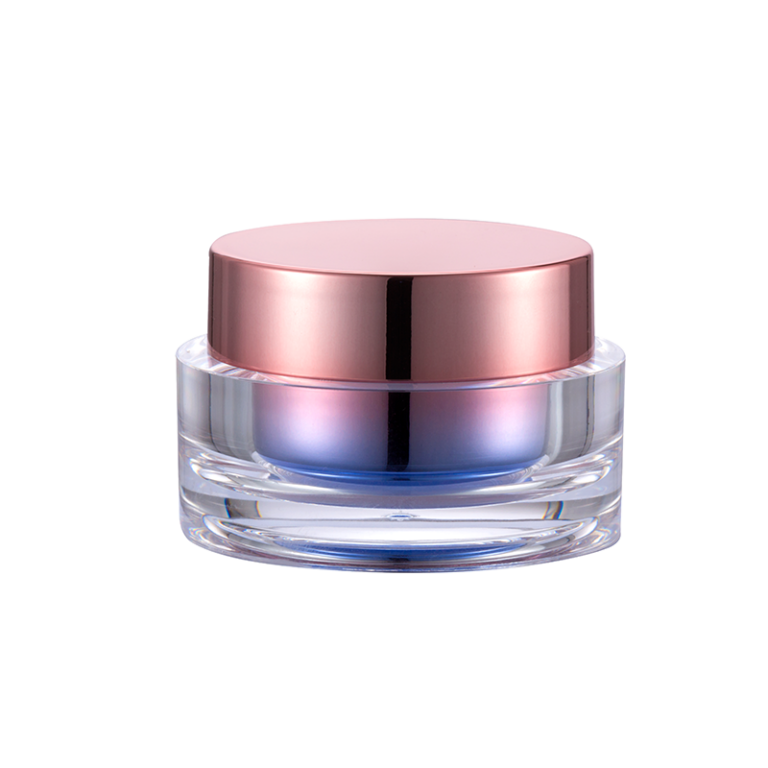
You open a jar at dawn and the balm catches light; the day begins softer. The acrylic cream jar feels simple, yet it holds a promise. As you scan options and reach out to an acrylic cream jar manufacturer in china, the real work starts—matching touch, clarity, and fit with the soul of your formula. Industry teams track tiny things like AQL levels and color drift; these small variances can decide if a launch feels refined or rushed. Audits, drop tests, and torque checks sound cold, yet they protect a very human moment (the first twist, the quiet pause). So here’s the guiding thought: if the jar is the first story your product tells, how do you make that story steady, honest, and kind to the hand—funny how that works, right? Let’s step from feeling to function, and see what truly changes outcomes.
Where the Old Path Breaks: Practical Flaws in Traditional Sourcing
What slips through the cracks?
Legacy buying often leans on catalogs and guesswork. That is the first crack. You compare samples under office light, but production shifts under factory LEDs, and the cap fit changes with a small mold tolerance drift. Color masterbatch looks rich on one batch, cloudy on the next. UV coating scuffs in transit. Vacuum metallization flakes near the thread after a few turns. And the closure system? It can squeak or leak if the liner density and neck finish do not match. The problem is not one big failure; it is a chain of small ones across injection molding, QA sampling, and packing—each adding risk to a calm user moment. Communication lags stretch tooling lead time. MOQs push you to store cartons you do not want. Look, it’s simpler than you think: define the fit and finish up front, then lock it with measurable controls (SPC checks per shift, colorimetry ΔE targets, liner compression set tests). Without those anchors, the jar might look right on your desk but miss the ritual in real life.
New Rules, Clearer Results: How Better Tech Rethinks the Jar
What’s Next
The shift is technical but human-facing. Inline vision systems now watch for gate marks and short shots in real time, so bad parts never leave the press. Digital colorimetry sets ΔE tolerances, which helps large runs match sample pots under both D65 and warm retail light. Resin selection is modeled for barrier properties and stress whitening before you cut steel—saves weeks. Even threads get scanned, which stabilizes cap torque and seal integrity. In this frame, an acrylic face cream jar stops being a guess and becomes a controlled outcome. Add traceable batches and SPC dashboards, and you can see variance before a truck is loaded—small alerts, big peace of mind. And when your supplier links QA photos to lot numbers, returns shrink. Less drama, more rhythm — and yes, it matters.
To choose well, compare with intent, not hope. Evaluate process, not only price. Here are three metrics that keep choices honest: 1) Dimensional control: ask for mold tolerance maps, cap-to-jar torque windows, and thread gauge reports. 2) Finish reliability: request UV coating abrasion data, metallization adhesion tests, and liner compression recovery. 3) Supply clarity: confirm tooling lead time, AQL plans per shift, and change-control logs for pigment or resin. These are simple guardrails that protect the ritual you began with. We moved from soft mornings to hard numbers, then back again. The jar is quiet, but the system around it should be loud about quality. For steady partners and calm launches, keep the lens on process and evidence; the beauty will follow. NAVI Packaging