
Introduction — a small scene, a big risk
I was on a tight-deadline site last winter when a dropped wrench nearly changed everything. Right after that moment I started expecting safer gear everywhere, so I began looking into non-sparking hand tools for every task. In many workspaces—hazardous storage rooms, fuel-transfer bays—non sparking tools make the difference between a close call and a catastrophe. Data shows that sites using purpose-built tools cut ignition incidents by measurable margins (small sample studies, but telling). So here’s the question I kept asking myself: are we really using the right tools, or just the cheapest ones that look the part? This piece moves from that moment on the floor to the deeper technical trade-offs and user pains that rarely make the headlines. Let’s dig in and see what actually matters next.
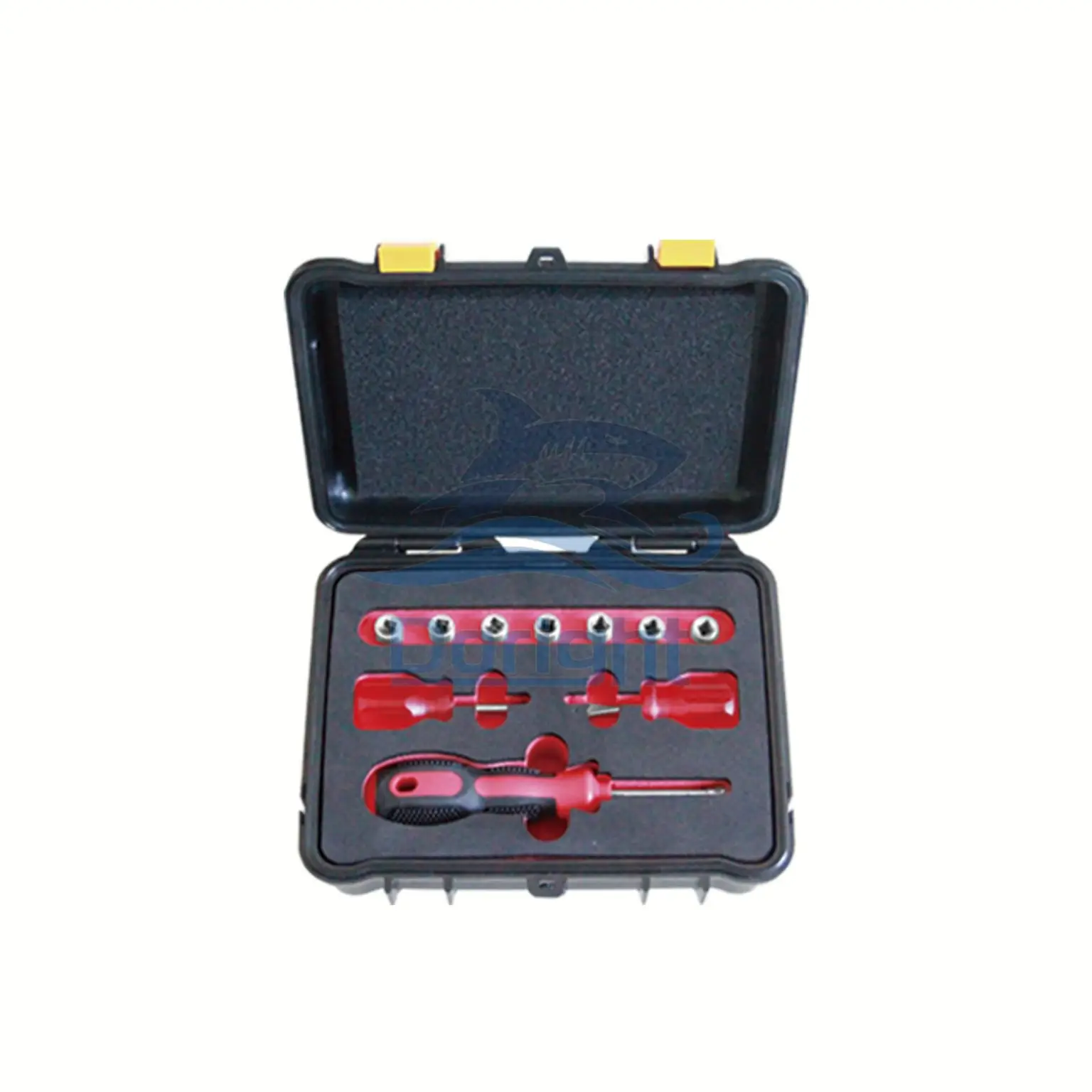
Hidden flaws and the real user pain
We often assume non-sparking tools solve everything, but the reality is more nuanced. Technical inspection reveals weak spots: material wear that raises spark energy, surface corrosion that undermines intrinsic safety, and joints that loosen under vibration. I’ve seen tools rated for non-sparking use fail inspection after months of real-world use. Look, it’s simpler than you think — standards can’t predict every use-case. Users complain about grip feel, added weight, and the false sense of security that comes from a single certification sticker. Those are not trivial problems; they change behavior on-site.
How do these failures happen?
Corrosion resistance degrades cutting edges. Grounding resistance expectations get muddled when people assume every metal piece is safe. Edge-case tasks—moving heavy tanks, prying sealed lids—apply impact and friction that raise local temperatures. When spark energy creeps up, the chance of ignition climbs. I’ve tested torque points and seen small plastic or polymer inserts fail in dirty conditions. So yes, tools can pass lab tests and still stumble during an emergency. That gap—between lab and jobsite—is the real pain point we need to fix.
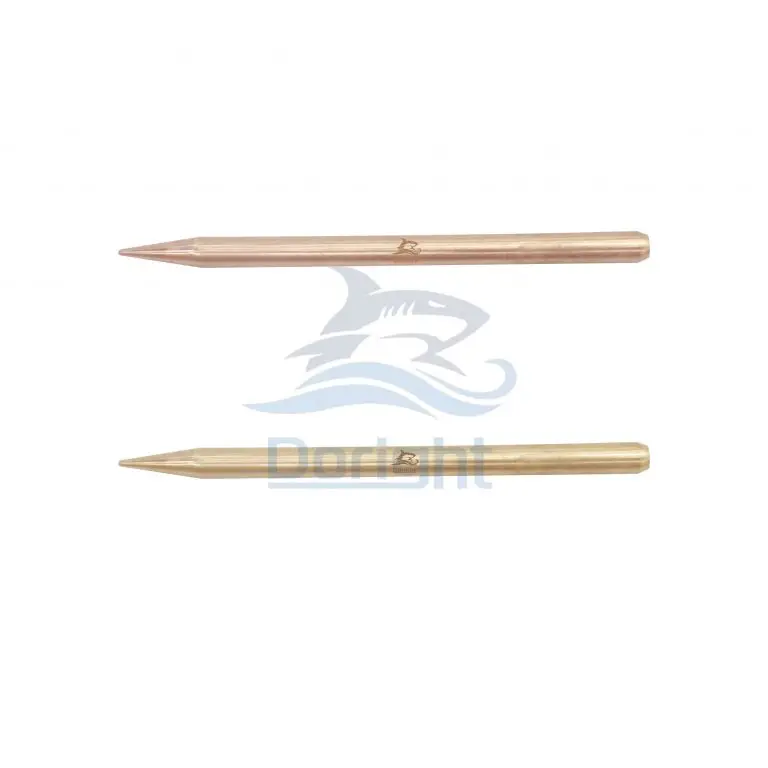
What’s next: principles, examples, and how to choose
Moving forward, we should compare solutions using clear, repeatable principles rather than marketing claims. For example, materials science advances (bronze alloys with better fatigue life) and coatings that improve corrosion resistance are practical shifts. I like to think in three steps: measure the task, match the material, test in the environment you actually work in. In one case study I followed, a mid-size refinery swapped to tools designed for lower spark energy and paired them with stricter maintenance checks; incident near-misses dropped noticeably over a year—funny how that works, right? So new tech and policies together matter more than a single “safe” label.
Real-world impact and measurable choices
Here are three evaluation metrics I use when advising teams: (1) measured spark energy under task-specific loads, (2) corrosion resistance ratings after simulated exposure, and (3) ergonomic retention—do workers keep the tool in circulation or stash it away? Apply those, and you get closer to real safety. I prefer tools that balance intrinsic safety with usable design; otherwise, people improvise. In short: test like you work, not like a lab wants you to. For dependable options, consider checking suppliers with robust catalogs of non sparking safety tools and clear test data. We’ve learned that measured results beat slogans every time.
To wrap up: I’ve seen the small decisions—choosing a bolt cutter with the right alloy, adding routine inspections—pay off in lower risk and calmer crews. I recommend evaluating tools by the three metrics above and running short field trials before full rollouts. If you want a practical starting point, look at trusted vendors who publish test data and offer sensible return policies. And if you’re curious about real options, check Doright — I’ve found their product info useful when comparing alternatives.