
Introduction: A Day in the Shed, a Number on the Ledger
I once stood in a barn at dawn, coffee in hand, watching chicks bustle under a single hanging bulb. Broiler lighting was the talk that morning—how light and timing can make or break a flock. Farmers I know report small gains: a handful of points in feed conversion, fewer leg issues, better uniformity — numbers that add up when you run tens of thousands of birds. So I ask: are we using our lights smart, or just leaving them on because it’s easy? (Folks in these parts call that ‘doing it by the seat of your overalls.’)

I write from the shed side of things. I’ve tested timers, swapped bulbs, and logged day-night cycles with paper and pencil. The data that matters is simple: birds that see the right light at the right time eat and sleep better. That affects growth, mortality, and bills. Yet many setups still rely on old timers, crude lux settings, and a guess or two. What follows is a plain look at tools and choices—no fluff, just what helps me get predictable results. Let’s move into the flaws and the fixes next.
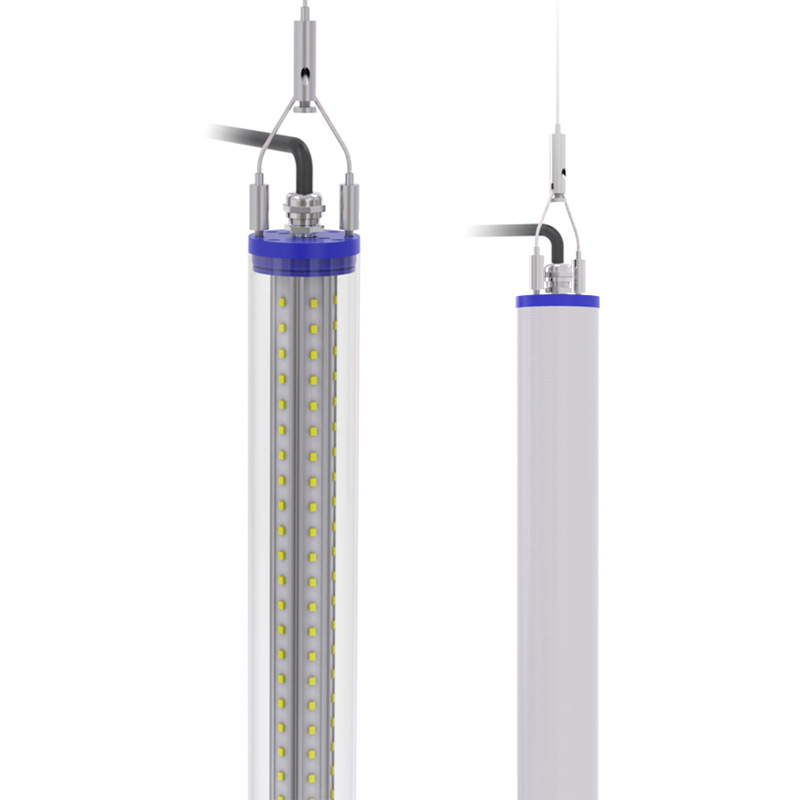
Why Common Broiler Lighting Programs Fail
When I first examine a broiler lighting program, I often spot the same three trouble spots within minutes. The control logic is shallow, the hardware mismatched, and the follow-through weak. These are not fancy problems; they’re practical ones. Photoperiod errors (too long, too bright at the wrong time), poor dimming control, and cheap LED drivers that flicker under load — each one chips away at performance.
What’s really breaking down?
First: timing that doesn’t match bird age. We hear “more light equals more feed” and lean that way, but the bird’s circadian need shifts fast. Second: lux levels that vary across the house. A single sensor in the middle won’t cut it — you need good placement, or you mask stress in a corner. Third: manual overrides and lack of feedback. No data means no correction. Look, it’s simpler than you think: consistent photoperiod, stable LED drivers, and smarter dimming controllers fix a lot. I’ve seen huge differences when farms move off sticky timers and onto schedule-aware controllers — fewer fights, calmer birds, steady weight gain. — funny how that works, right?
New Principles and Practical Tech for Better Lighting
Moving forward, I focus on principles that I can test on a weekly basis. A modern broiler lighting program should do three simple things well: control spectrum, manage intensity, and log behavior. Spectrum tuning matters because birds respond to different wavelengths. PAR and lux levels tell different parts of the story; use both. Good LED drivers support steady output and pair with dimming controllers so you aren’t giving spikes or drops during critical growth phases.
What’s Next: Practical steps
I recommend stepping up in small moves. Start with an LED upgrade that supports spectrum options. Add a basic controller that does scheduled dimming and logs lux. Then try a short trial with a different photoperiod: compare feed conversion over two cycles. The tech reads simple: sensors, timers, and drivers. The human bit is sticking to the plan and watching the data. I like semi-formal checks — review numbers weekly, walk the shed daily, note behaviors. We learn faster that way. — and yes, you’ll have days where the plan gets tossed, but keep the log. It helps you see trends, not just one-off luck.
To pick the right setup, I always use three evaluation metrics: consistency (does output match the schedule every day?), uniformity (are lux and spectrum even across pens?), and supportability (can you fix or replace parts fast?). Measure these and you’ll get reliable returns. If you want a trusted starting point, check gear companies that stand behind their controllers and drivers. For hands-on help and product lines I’ve leaned on, I point folks to practical suppliers like szAMB. They’re not a magic fix, but they deliver tools that let you test what actually works on your farm.