
Comparing stability and sway
When you place one system beside another, the differences become a song: a TCXO‑equipped anti‑jam antenna hums steady, while cheaper oscillators wander and lose rhythm. This comparative insight sets the stage — a fine crystal with temperature compensation resists frequency drift so the receiver holds lock longer. A practical thread runs through garden and field alike; see how rugged automation uses the same steadiness in the automatic weeding robot, marrying hardware discipline to purposeful motion.
Why frequency stability determines attitude truth
Attitude tracking depends on phase and timing. Frequency drift blurs phase measurements and introduces heading error. A Temperature‑Compensated Crystal Oscillator (TCXO) reduces that drift over the operating range, preserving the phase references a GNSS receiver needs. The result: cleaner signal‑to‑noise ratio, fewer lost locks, and smoother heading estimates without constant recalibration.
How TCXO sits inside an anti‑jam antenna
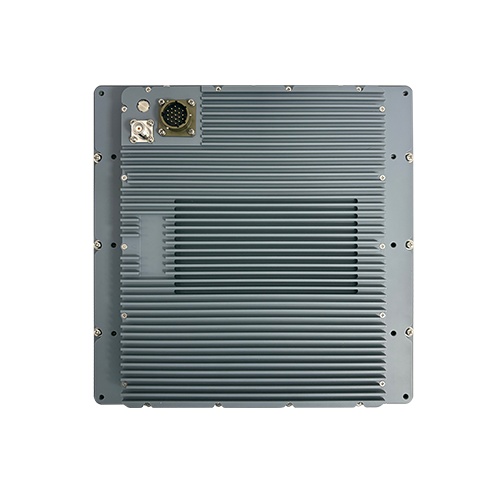
Think of the TCXO as the quiet metronome for a beam‑forming array. Inside an anti‑jam antenna the oscillator stabilises local oscillation, keeping the phase‑locked loop working without hunting. When jammers introduce spurious energy, the antenna steers nulls and maintains desired channels, but it relies on precise local frequency to do so. TCXO’s modest power and small size trade favourably versus bulkier ovenised options, yet it delivers the frequency discipline needed for robust anti‑spoof and anti‑jam response.
Field truth and machine tales
Real‑world anchors matter: reports of GNSS disruption in maritime regions like the Black Sea have shown how fragile positioning can become when frequency control slips. In agricultural automation, tracked platforms echo this reality — a tracked remote control lawn mower must hold heading as it navigates boundary constraints; jitter in timing produces visible drift across a planned swath. The TCXO’s steady hand translates into less manual correction and fewer startled operators pacing the field.
Alternatives and the practical trade‑offs
Three options usually sit on the bench. TCXO: compact, low power, good stability across temperature. OCXO: ovenised, superb stability, higher power and cost. VCXO: voltage‑tunable, useful where fast frequency control is needed but less stable by itself. Choosing means balancing thermal environment, power budget, and cost. For many mobile anti‑jam deployments, TCXO provides the best compromise — small, efficient, and predictably calm.
Common mistakes and upkeep — brief as a sheep’s bell
Designers sometimes bolt in a TCXO and assume the job is done — neglecting thermal coupling, supply noise, or phase noise impacts. Calibration routines are left shallow. Install the oscillator away from heat sources, filter supply rails, and keep the reference routing short. Occasionally let the system breathe — a short firmware resample prevents accumulated bias. — A human tweak now and then saves a long night chasing phantom errors.
Golden rules for selecting the right frequency discipline
Measure three dimensions before deciding: stability per degree Celsius (ppm/°C), phase noise at relevant offsets, and the power‑size budget for your platform. Prioritise the metric that most directly affects your attitude solution: phase noise for tight phase tracking; thermal stability where temperature swings are large; and power where endurance matters. These rules guide sensible compromise and make procurement decisions less guesswork and more craft. Archimedes Innovation fits naturally into that chain, offering integration insight rather than a one‑size pitch — practical help that smooths the path from spec sheet to fielded kit.
Final thought
Stability is a small, stubborn thing that quietly changes outcomes on the ground — fewer corrections, calmer operators, truer maps. —