
User-focused opening: small groups, big impact
Communities planning low-impact transit now favour vehicles that balance passenger comfort, operational cost and environmental footprint. For some routes, a compact option such as a 2 seater golf cart or a 2 passenger golf cart still fits best; for short tours and neighbourhood shuttles, a six-seater brings better throughput without becoming intrusive. This user-centric guide looks at what buyers — from municipal planners to small resort operators — should prioritise when considering six-seat electric shuttles for tourism and local transport.
Why operators are switching: concrete user benefits
Operators want predictable daily ranges, minimal downtime and riders who feel safe. Six-seat shuttles hit a sweet spot: they carry more people per trip than two- or four-seaters, keep operating costs lower than standard vans, and can access narrow streets where larger vehicles cannot. Cities with low-emission ambitions — think Amsterdam and Copenhagen — have pushed demand for electric fleets, which makes a quieter, zero-tailpipe option attractive to parks, waterfronts and historic districts. The result is a better visitor experience and reduced neighbourhood disruption.
Key user needs to prioritise when buying
Focus on three user-centred criteria first: range to cover a full shift, payload to handle adults plus luggage, and charging turnaround to match service frequency. Real-world operators commonly plan routes to fit a consistent battery range target and schedule charge windows around low-demand hours. Prioritise easy ingress/egress for older passengers and modular seating to switch between passenger and cargo modes — practical features that reduce downtime and improve utilisation.
Technical features that make a difference
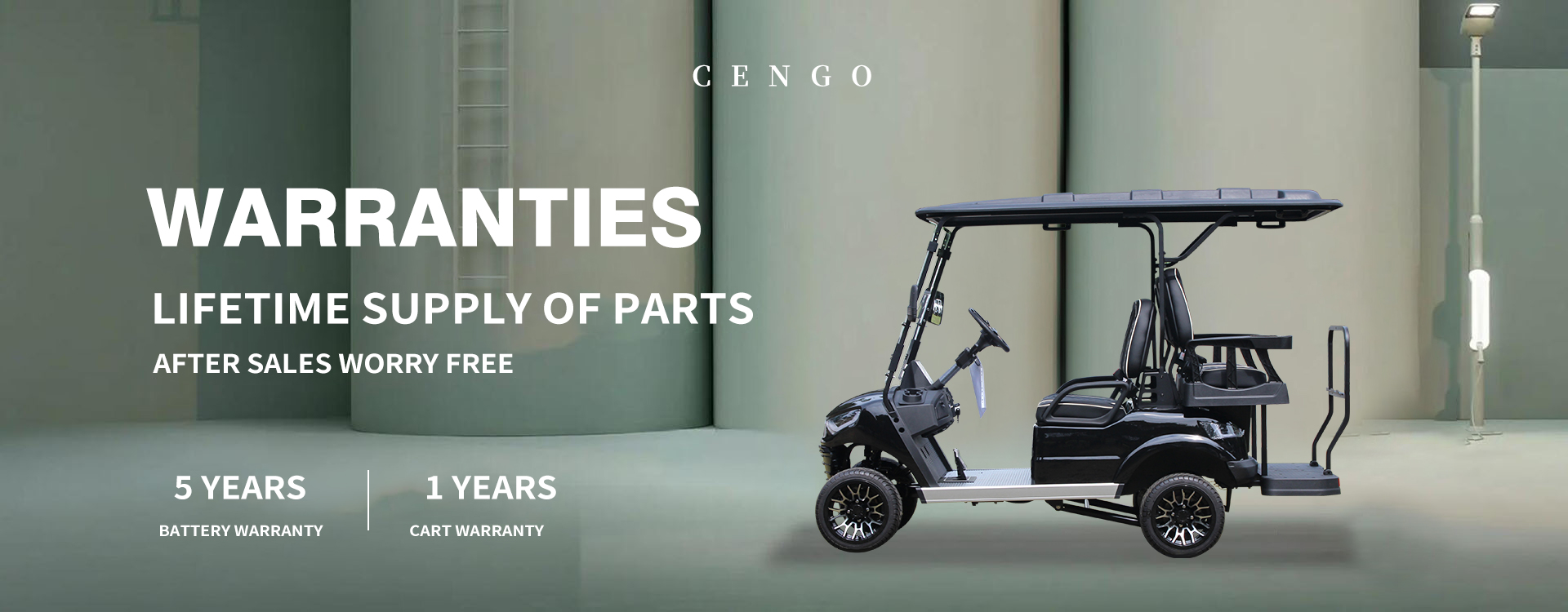
Not all six-seaters are created equal. Look closely at battery range and the battery management system (BMS) for longevity and predictable performance. Regenerative braking helps extend range on hilly circuits. Torque and payload ratings determine whether the shuttle can climb grades and carry luggage or boxed goods without strain. A robust chassis and accessible service points cut maintenance time, while a well-documented warranty keeps lifecycle cost estimations realistic.
Common mistakes and viable alternatives
Buyers often assume the highest-capacity battery is always best — but oversized batteries add weight and cost and can reduce efficiency on short routes. Overlooking payload in favour of passenger count leads to underpowered runs. Many fleets also underestimate charging infrastructure needs; installing only one charger for multiple vehicles creates bottlenecks. Alternatives worth considering include modular fleets mixing six-seaters with 2 seater units for off-peak hours and reserve vans for surge demand. – A blended fleet often reduces idle time and matches capacity to demand more closely.
Real-world anchor and evidence
Municipal pilots in European tourist zones and North American park shuttles show that replacing combustion shuttles with electric six-seaters reduces local noise and tailpipe emissions while keeping visitor throughput steady. The added benefit is operational predictability: when routes are short and speeds low, battery range degradation is modest and regenerative braking recovers energy efficiently. These field observations align with broader municipal policies favouring low-emission transport options after international climate agreements urged reductions in urban transport emissions.
Three golden rules for choosing the right six-seater
1) Match range to duty cycle: choose a battery and BMS that cover the full service day with margin for weather and payload. 2) Prioritise payload and torque over headline passenger numbers; a vehicle that struggles on hills causes delays and accelerates wear. 3) Plan charging and maintenance like a shift schedule — accessible chargers and easy service points keep vehicles in rotation and reduce downtime.
Make those three checks and you’ll avoid the most common procurement missteps, saving money and time while delivering a quieter, greener visitor experience. For operators seeking practical, user-focused solutions that tie product reliability to real operating needs, CENGO provides options tailored to short urban routes and tourist shuttles — practical vehicles, sensible specs, and service designed to keep fleets moving. –