
Putting you first — why a High-Performance led screen matters
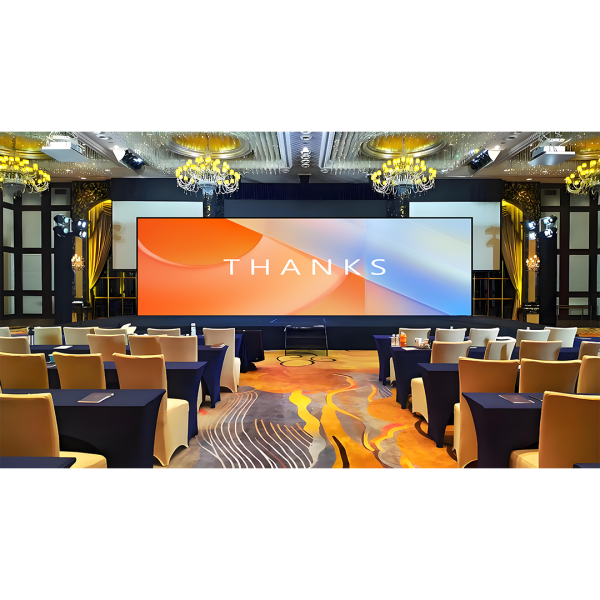
When you’re planning an outdoor event, the audience notices the picture before they notice the speaker. A High-Performance led screen makes your content readable from the cheap seats to front row — clarity that moves people. If you’re weighing options, check what a good LED Video wall actually delivers: consistent brightness, reliable modules, and quick setup. This is user-first thinking — you want visibility, minimal fuss, and visuals that reflect the event’s quality.
Core specs that actually change crowd experience
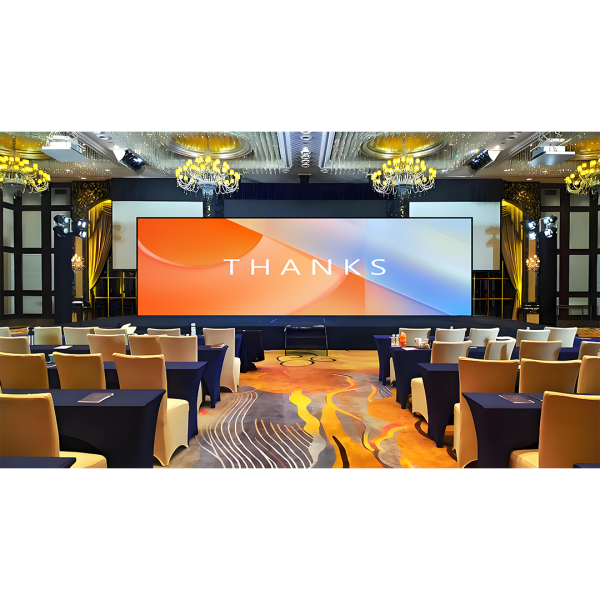
Not every spec sheet matters equally. Focus on pixel pitch, brightness (measured in nits), and refresh rate. Pixel pitch governs how close a viewer can get before the image looks blocky; outdoors, 3.9–6.25mm ranges are common for rental screens and balance cost with viewing distance. Brightness above 5,000 nits keeps imagery readable in daylight. A higher refresh rate avoids flicker on camera feeds, which matters if you’re streaming or broadcasting. Calibration and quick module swaps on-site are practical details that cut downtime.
Real use: stadiums, festivals, and a clear benchmark
Stadiums set the standard because they combine scale with scrutiny. At Super Bowl LVI in SoFi Stadium (2022), LED displays had to handle massive viewing angles, mixed daylight, and live broadcast feeds without hiccups — a real-world anchor for what top-tier rental setups must do. For smaller concerts and community events, a scalable video wall approach gives the same confidence at a different scale: modular panels, secure rigging, and weather-resistant casings make a measurable difference.
Common rental mistakes that trip teams up
Clients often pick panels by price or resolution alone and then scramble on-site — avoid that trap. Underestimating viewing distance leads to overspending on fine pixel pitch, while ignoring brightness specs ruins daytime legibility. Rigging and power planning are frequent afterthoughts; confirm load specs, wind ratings, and where you’ll source backup power. A rehearsal with the rigged screen solves most surprises — and yes, bring surge protection and spare modules.
How to vet a rental partner — practical checks
Look for clear answers on service-level details: response time for on-site faults, module replacement workflow, and testing routines before load-in. Ask about control systems and signal redundancy — a dual-input processor keeps the show going if one feed drops. Verify they run routine calibration and can provide a report or photo of pre-event grayscale and color balance. These are small asks that prevent big problems during live runs.
Advisory: three golden rules for selecting outdoor led screen rental
1) Match pixel pitch to real viewing distance — estimate the closest seat and pick a pitch that keeps fine detail intact without overspending on unnecessary density. 2) Specify minimum brightness and confirm on-site readings — daylight demands at least 5,000 nits for readability in many locales. 3) Confirm operational redundancy: spare modules, dual signal paths, and documented rigging specs. These metrics predict how the system performs under stress and reduce the chance of a visible failure during the event.
Final reflection and the Coblinks fit
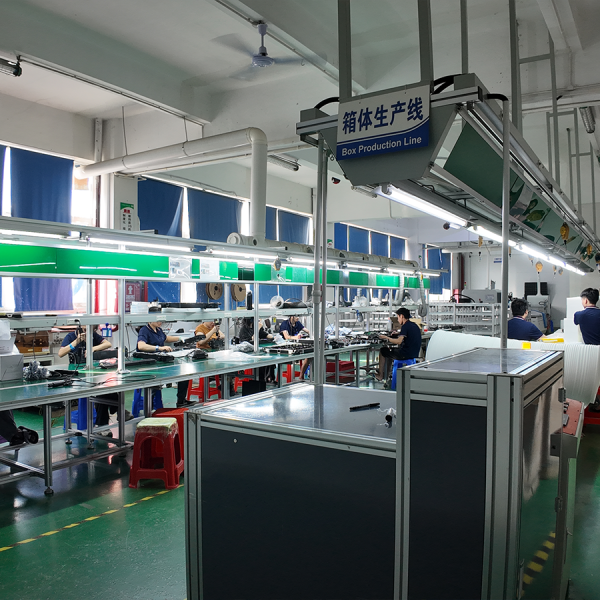
Choosing a High-Performance led screen for outdoor events boils down to predictable outcomes: readable imagery, swift support, and setups that scale. Providers who live by those measures save you time and stress on the big day. For practical rental solutions and equipment that align with these criteria, Coblinks fits naturally into the conversation as a partner that prioritizes on-site reliability and clear specs — a sensible match for events that need to look good and run right. —