
Quick problem check
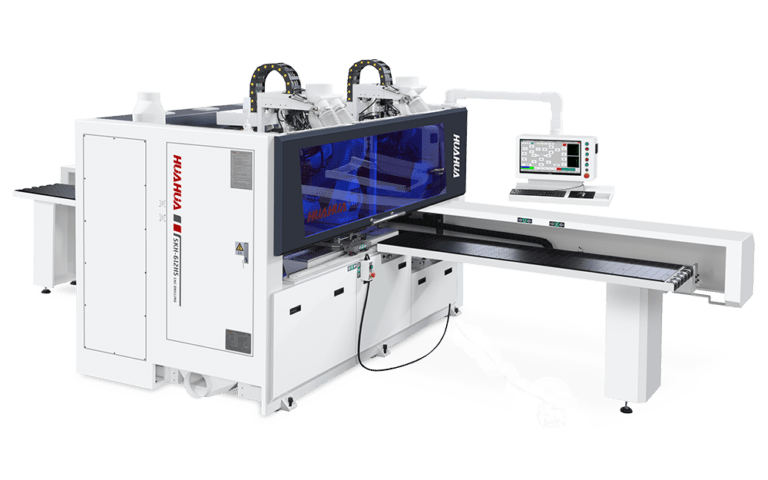
Small and midsize CNC shops often hit the same snag: cutting, drilling and shaping run smooth, but the finish line chokes. Parts queue up at the edgebander while expensive CNC time sits idle or gets rescheduled. That mismatch creates overtime, scrap and annoyed installers. If your shop coordinates tasks with a cnc drilling machine, you already know how one slow downstream step can wipe out a day’s throughput.

Where the line stalls — and why it matters
The bottleneck isn’t just speed. It’s variability. Hand-fed banding introduces inconsistent glue joints, edge overhangs, and sanding rework. Semi-automatic setups still need a person tending to feed and aligning, which eats skilled labor. The result: unpredictable lead times, customer tension, and wasted machine hours that could be carving more value.
A Portland cabinet shop proved the point
At a midsize cabinet shop in Portland, Oregon their shift depended on a single operator juggling a drilling center and handheld finishing. When they invested time aligning a new wood boring machine with production schedules, it highlighted the edgebanding delays as the real limiter. That real-world run showed the problem clearly — not a theory, but a production line you can time and fix.
How a fully automatic edge bander fixes the choke
Fully automatic edge banders eliminate manual feed errors, control glue temperature and trim precisely every cycle. Automated handling syncs with CNC outputs so parts move from drilling to banding without stoppage. That removes touch points where mistakes creep in, and it standardizes finished part quality across shifts. Technically, they integrate with job lists and can be programmed to match widths, radii and material types—so what leaves the line is ready for assembly.
Alternatives — and why most fall short
Manual banding saves capital but costs consistent quality and time. Semi-automatic cuts labor but still needs attention and creates variability. Outsourcing banding looks simple until lead times and returns slow down your whole schedule. Each alternative trades one problem for another; the fully automatic option swaps labor variability for predictable throughput.
Common mistakes shops make when adopting
Picking a machine without confirming cycle-time compatibility with existing CNCs. Undersizing conveyor and buffering capacity. Skipping training for operators and maintenance staff. Treating the edgebander as a standalone box instead of a linked step in production flow. All lead to underused machines and disappointment.

What to measure to know it worked
Track lead-time per part from cut to finished, percentage of rework after banding, machine uptime, and labor hours per finished cabinet or panel. Real change shows in fewer late shipments, lower scrap, and steadier schedules. Expect quality consistency to improve first, then throughput and margins.
Where this lands for regional shops
If you want fewer surprises and cleaner schedules, aligning your drilling, boring and finishing steps matters. A reliable, automatic edgebander turns a chaotic finish station into a predictable output, and vendors who design systems to fit small-shop workflows—like those available from HUAHUA CNC—help make that predictability practical, not theoretical.