
Direct comparison: why this matters now
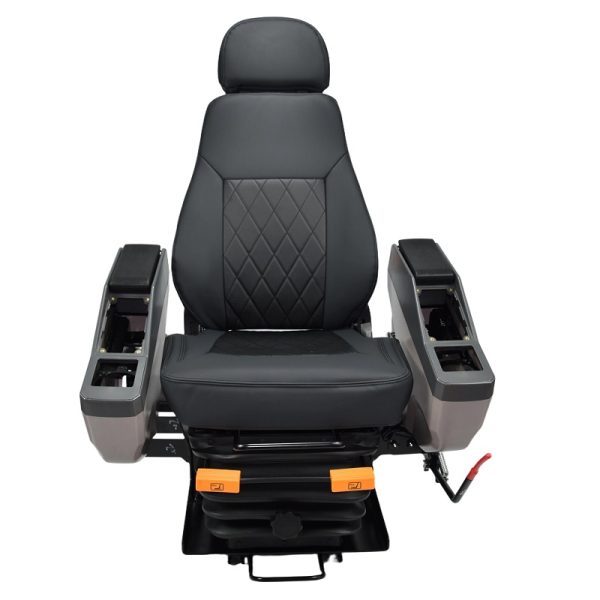
Fleet managers can’t afford guesswork when selecting a driver seat that will live through hard miles. A high-quality suspension seat cuts fatigue and maintenance costs. I’ll compare core designs, show where manufacturers diverge, and point you to real, usable checks — including aftermarket choices like offroad seats that perform well in rough-service rigs. The U.S. Department of Transportation flags driver fatigue as a significant safety factor, so your seat choice is not just comfort — it’s risk control.
Key features to compare first
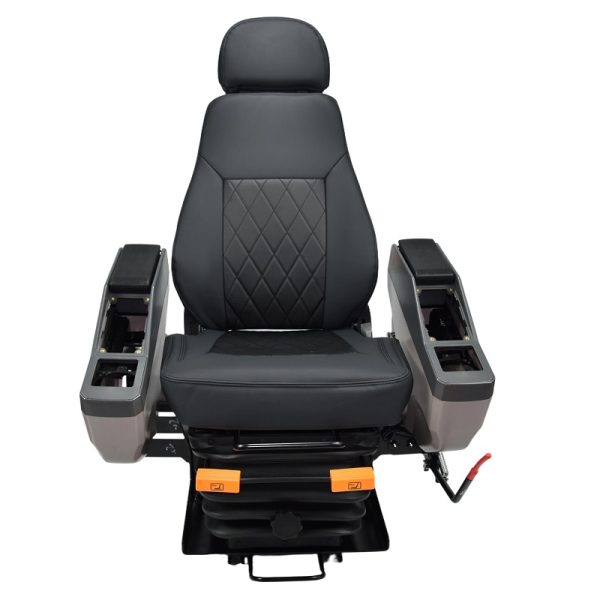
Start with measurable components: suspension travel, lumbar support adjustability, and vibration damping. A solid seat base and a robust shock absorber under the frame matter more than cosmetic upholstery. Look for heavy-duty track adjustment and a reliable recline mechanism. These elements determine how well a seat handles long hauls, jerky terrain, and repeated driver shifts.
Brand differences that actually affect performance
Manufacturers split on priorities. Some focus on modular parts and easy serviceability; others push proprietary cushions and electronics. Compare warranty terms alongside replaceable parts. If a company sells upgrade kits for lumbar support or a better shock absorber, they understand service life. Also watch how they rate load capacity and suspension travel — numbers you can test in the yard, not just trust on a spec sheet.
Where industrial seats and offroad options overlap
Heavy-duty industrial seats and commercial truck seats share core tech: reinforced frames, vibration isolation, and tilt-lock bases. If your truck runs mixed duty — road and rough lot work — a hybrid design can be the best compromise. That said, don’t assume an offroad-oriented seat will meet long-haul ergonomic needs; cushions designed for impact absorption sometimes trade off long-term lumbar support. Check both seat type and intended service profile before committing.

Common sourcing mistakes to avoid
Purchase decisions often lean on price or brand prestige, not measurable fit. Mistake one: buying seats without testing for your drivers’ typical shift length and body types. Mistake two: ignoring maintenance pathways. If parts are hard to get, downtime spikes. Also avoid accepting warranty language at face value — read the repair terms and part replacement intervals. Little detail: a neat wiring harness is one thing; a sealed connector sensitive to salt and grime is another.
Practical testing protocol for fleet validation
Run a three-step validation: bench test, ride test, and 30-day field trial. Bench test the recline mechanism, track adjustment, and verify the seat base integrity. Ride test on representative routes and measure perceived vibration and lumbar strain at hour four. For the field trial, track driver feedback, any noise reports, and spare-part consumption. Keep a simple log: hours in service, maintenance events, and comfort score. That log becomes your procurement proof.
Supplier due diligence and what to ask
Ask suppliers for replaceable-parts lead times and documented repair procedures. Request service manuals and parts diagrams. Confirm whether their seats use off-the-shelf shock absorbers or proprietary units — the latter can be expensive to replace. Verify local service networks and whether dealers stock cushions and suspension components. A supplier with clear retrofit kits reduces downtime and keeps costs predictable.
Three golden rules for selecting the right seat
1) Prioritize testable specs: suspension travel, adjustability range, and rated load. These are measurable and comparable across makes. 2) Demand spares transparency: parts availability and documented repair cycles. Buy what your maintenance team can fix fast. 3) Validate with a field trial: at least 30 days under real routes and driver crews, logging comfort and repairs.
Summary and final thought
Compare concrete specs, insist on spare-part clarity, and validate with hands-on trials. These steps cut guesswork and align procurement with operational reality. The right seat reduces fatigue, cuts downtime, and—bottom line—keeps trucks and people moving. Source One. –