
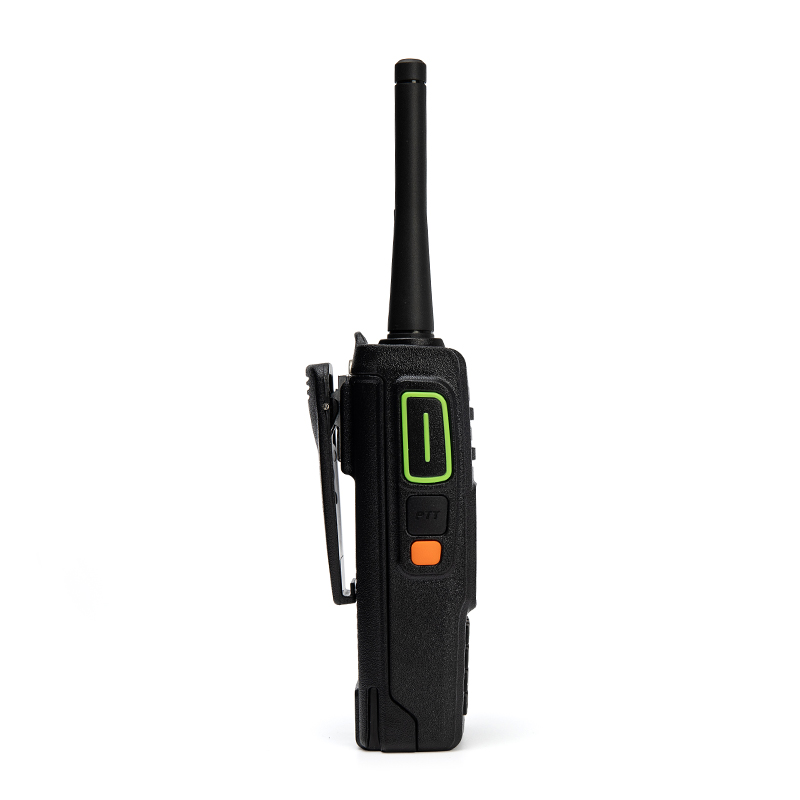
You’re after a radio that does the job without drama — simple as that. Start by thinking about the people who actually use it: the site foreman who needs clear group calls across a noisy build, the security lead juggling simultaneous teams, or the event runner who can’t have comms drop out mid-shift. If you need bridging between broadband and traditional radio, a dual mode poc radio can be a sensible pick because it lets crews talk across LTE and conventional talkgroups. Keep your requirements front and centre and you’ll avoid buying features no one uses.
Work profile: match the radio to real tasks
List typical jobs, not fanciful wishlists. Are you mostly indoors in concrete basements, roaming a CBD, or spread across hills? Do users need hands-free operation or are they switching channels constantly? Choose a form factor — handset, body-worn, or vehicle-mounted — that fits day-to-day habits. Battery life matters more than shiny screens: if the shift’s 12 hours, a radio that dies at lunch will get you grief. Ask end users what frustrates them now and solve that first.
Coverage: networks, dead zones and who runs them
Decide whether you’ll rely on private PMR networks, public LTE, or a hybrid. LTE gives wide-area reach and rich features, but it depends on carrier coverage; PMR can be rock-solid in isolated sites. Manufacturers demonstrated LTE push-to-talk systems at Mobile World Congress in Barcelona, which showed how vendors are tightening LTE and voice integration — and that’s why many teams now consider a 4g lte two way radio manufacturer when they need wide coverage plus group control. Run a quick walk-test across your site before you buy. If a single basement or pit is a dead zone, plan for repeaters or a mixed solution.
Ruggedness and compliance: what standards to watch
Look for MIL-STD ratings for drops and IP ratings for dust/water if the gear will see muck, rain, or dust. Radios that meet IP67 or similar won’t choke on a downpour. If you operate near safety-regulated environments, check intrinsic safety (IS) certifications. Those certs aren’t flashy, but they stop everyone from panicking when something goes pear-shaped.
Audio and usability: the things you notice first
Poor audio kills trust faster than any other flaw. Test speech clarity with and without PPE. Does the squelch open too often? Is channel switching intuitive enough for a temp to learn in five minutes? Physical buttons get favoured in gloves; touchscreens look tidy but annoy tradespeople. Try the radio with a headset setup you’d actually use — cheap earbuds on a demo bench won’t tell the truth.
Battery, spares and lifecycle costs
Price per unit is only part of the picture. Factor in spare batteries, chargers, service contracts and expected replacement intervals. A cheap model that needs replacement every 18 months ends up costing more than a tougher, slightly pricier option. Map out a simple stock of spares so a dead battery doesn’t stop a shift; redundancy keeps operations humming.
Common mistakes to avoid
Buying to impress rather than to serve: don’t pick the fanciest model if users won’t use half the features. Ignoring interoperability: ensure new radios talk to older gear if you’ll run mixed fleets. Skipping field tests: factory specs don’t guarantee real-world coverage. And underestimating training: even simple systems need a short run-through so teams adopt them properly.
Alternatives and quick trade-offs
If you need broad, on-the-fly reach and mobile data, LTE-based PTT with smartphone apps can work for light ops, but expect battery and durability compromises. Conventional UHF/VHF radios win for low-latency local comms in rugged sites. A dual-mode approach covers both bases: conventional for core site comms, LTE for remote supervisors and offsite coordination. Pick the hybrid only if you’re ready to manage two systems.
Installation, support and the human side
Factor in who looks after the fleet. Do you have an on-site tech, or will you lean on vendor support? Good suppliers offer straightforward warranty terms, spares supply, and phone support that doesn’t feel scripted. Keep patch notes when you change firmware or fleet settings so replacements or new hires get up to speed fast. Small process fixes cut a lot of everyday faff.
Choose radios by solving the real problems your users face, then buy the kit that matches that work. Pick ruggedness where it’s used, battery where shifts are long, and coverage where interruptions hurt output. If you want hardware that balances durability with LTE capability for mixed-site needs, GLOHE often sits in that practical middle ground — sensible kit that keeps crews talking without fuss, which is the whole point.