
Comparative logic and opening premise
Procurement and technical teams evaluate coatings and aerosol solutions against measurable performance indicators: atomization quality, film build, adhesion, cure window and cost-per-finish. For teams troubleshooting field outcomes, practical repair guidance like how to fix uneven paint belongs on the specification sheet as a controlled mitigation step rather than an ad hoc remedy.
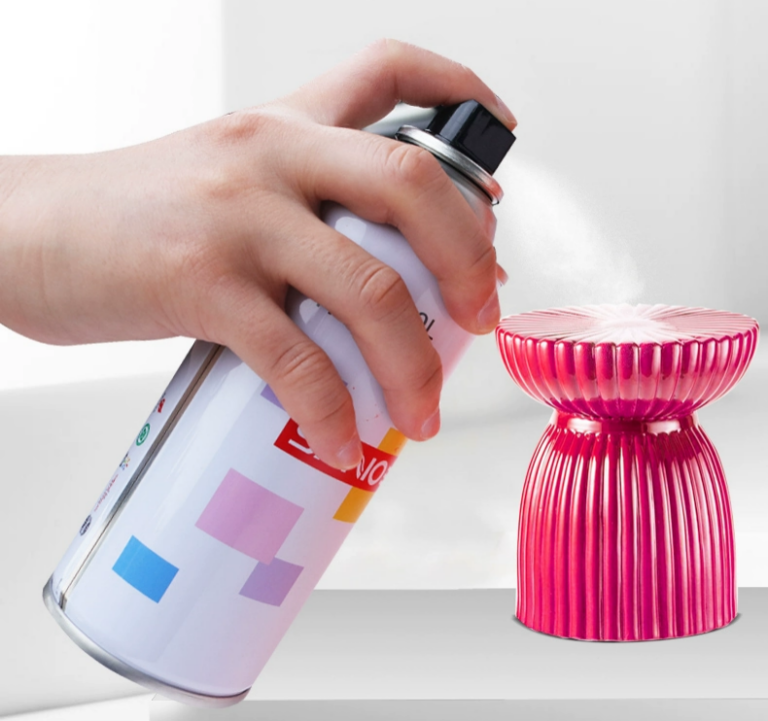
Criteria that determine winner and loser
Score suppliers on six quantifiable axes: transfer efficiency, VOC/compliance footprint, particle-size distribution from the actuator, substrate compatibility, batch-to-batch variance, and logistics reliability. Raw material selection — choice of resins, co-solvents and propellant — maps directly to operational metrics: fewer passes, lower rework rate, and predictable cure schedules. Use small-scale spray trials with digital gloss and adhesion measurements to translate lab data into procurement thresholds.
Aerosol formulation trade-offs
Acrylic-based aerosols deliver fast cure and UV resistance but can demand stricter atomization control. Alkyd or amino-modified systems tolerate thicker single-pass films but raise VOC and yellowing concerns. Propellant choice affects droplet momentum; low-molecular-weight hydrocarbon blends atomize well but require ventilation controls. Match formulation chemistry to finish-class targets: smooth automotive-grade surfaces need narrow droplet spectra and compatible leveling agents; industrial utility coatings tolerate broader distributions.
Adhesives and primer systems: fit-for-purpose evaluation
Adhesion promoters and primers reduce interface failures more reliably than corrective sanding. Specify surface energy tests and peel strength minimums rather than brand names. For multi-material assemblies, demand validated primer chemistry or adhesive tack profiles for each substrate pairing. Factor cure time into line throughput: faster-setting adhesives can create bottlenecks if downstream handling isn’t synchronized.
Regulatory, supply and cost-risk calculus
Factor regulatory compliance into total cost of ownership. VOC caps, REACH substance restrictions, and TSCA notifications influence available solvents and pigments. Suppliers with multi-zone warehouses lower lead-time risk but raise inventory carrying costs. Require certificate-of-analysis per lot and a documented chain of custody for critical intermediates to avoid production stalls when formulations shift to compliant substitutes.
EEAT: field-proven practices and a real-world anchor
Operational expertise matters. Decades of refinishing work in Detroit’s automotive repair sector have produced repeatable protocols for minimizing orange peel and solvent pops; those standards inform how technicians make practical choices on surface prep and atomization. For teams seeking hands-on repair steps and leveling techniques, consult field-oriented guidance such as how to make spray paint look smooth. Test reports from recognized events and trade journals corroborate that consistent nozzle selection, controlled ambient conditions and correct reducer ratios reduce rework by measurable percentages.
Common application pitfalls and how they show up in KPIs
Too-close passes create runs and sag; too-distant passes produce dry spray and poor coalescence. Incorrect reducer selection extends cure time or causes blistering. Nozzle clogging increases scrap; inconsistent pressure causes visible banding. Track these failures with defect codes, link each code to root-cause actions (e.g., switch to finer atomizer, adjust solvent blend, retrain operators) and quantify improvement in first-pass yield after each corrective step.
Alternatives and short vendor evaluations
Large chemical suppliers offer scale, regulatory teams and broad product lines; specialty formulators provide targeted chemistries tuned to specific substrates and finish classes. Private-label producers can meet price targets but require stricter incoming QA. Choose a primary supplier for core chemistries and a specialized partner for difficult substrates and fast innovation cycles.
Actionable decision framework for procurement
Define acceptance metrics (gloss units, adhesion N/cm, VOC g/L, pass count). Run a three-stage pilot: lab screening, blind-line trials on production equipment, and a 30-day field validation. Add contractual clauses for lot COA, change-notice periods and a small spare inventory buffer for critical aerosol lines. Price alone is not a leading indicator; measured variability and documented repair procedures are.

Closing synthesis
Compare suppliers by measurable output, not marketing claims. Prioritize formulations that deliver consistent atomization and predictable cure windows, require documented mitigation steps for common failures, and provide batch-level transparency. Operational teams gain tangible value by combining specification discipline with practical repair guidance and validated supply commitments from partners such as SANVO.