
Start with the user need
You’re picking a machine to sit beside technicians and clinicians, not a gadget for your desk. Think about the tasks you do most—crowns, surgical guides, models, or temporary restorations—and map those needs to a dental resin 3d printer that matches resolution, throughput, and material options. This choice must solve daily bottlenecks, not simply impress on spec sheets.
Accuracy and repeatability over marketing numbers
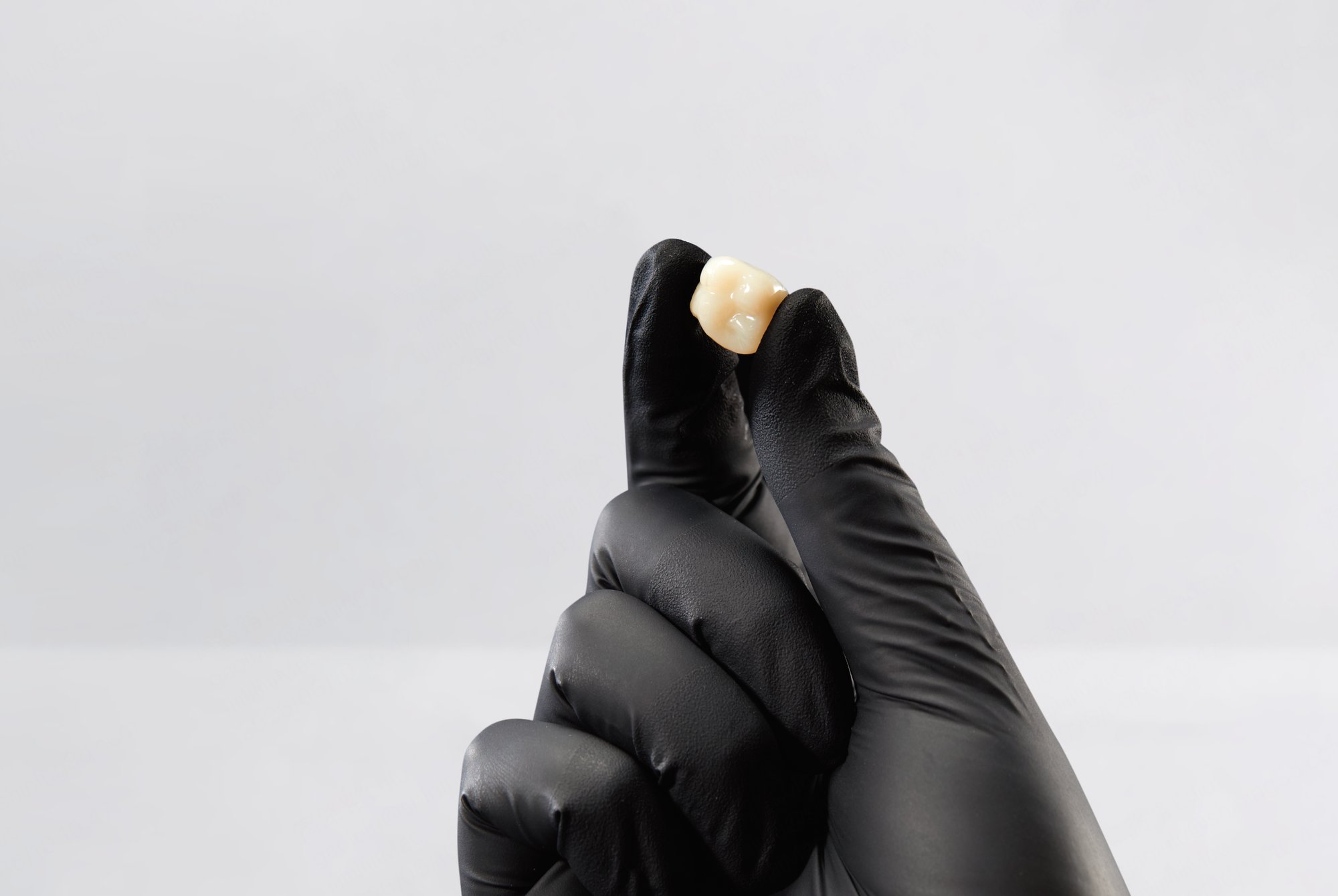
Resolution specs are seductive, but what matters is consistent accuracy across dozens of prints. Ask for sample parts you can measure, and insist on data for repeatability over a full build plate. Look for machines with stable mechanical design and a reliable calibration routine—those cut down rework and callbacks.
Material ecosystem and clinical compatibility
Match printer chemistry to what your lab and clinicians actually use. Some systems lock you to one resin brand; others accept a wider range. Confirm approvals or validations for dental indications you need—temporaries, splints, biocompatible guides—and factor in the cost and shelf life of consumables. Materials that cure predictable, accurate parts reduce chairside surprises.
Software and workflow integration
A clear software path matters as much as hardware. Choose a printer whose slicing and support tools align with your CAD/CAM workflow and let technicians preview nesting and parts orientation easily. Simple file handling and reliable cross-compatibility with lab scanners and practice software saves time and reduces mistakes.
Throughput, build strategy, and practical speed
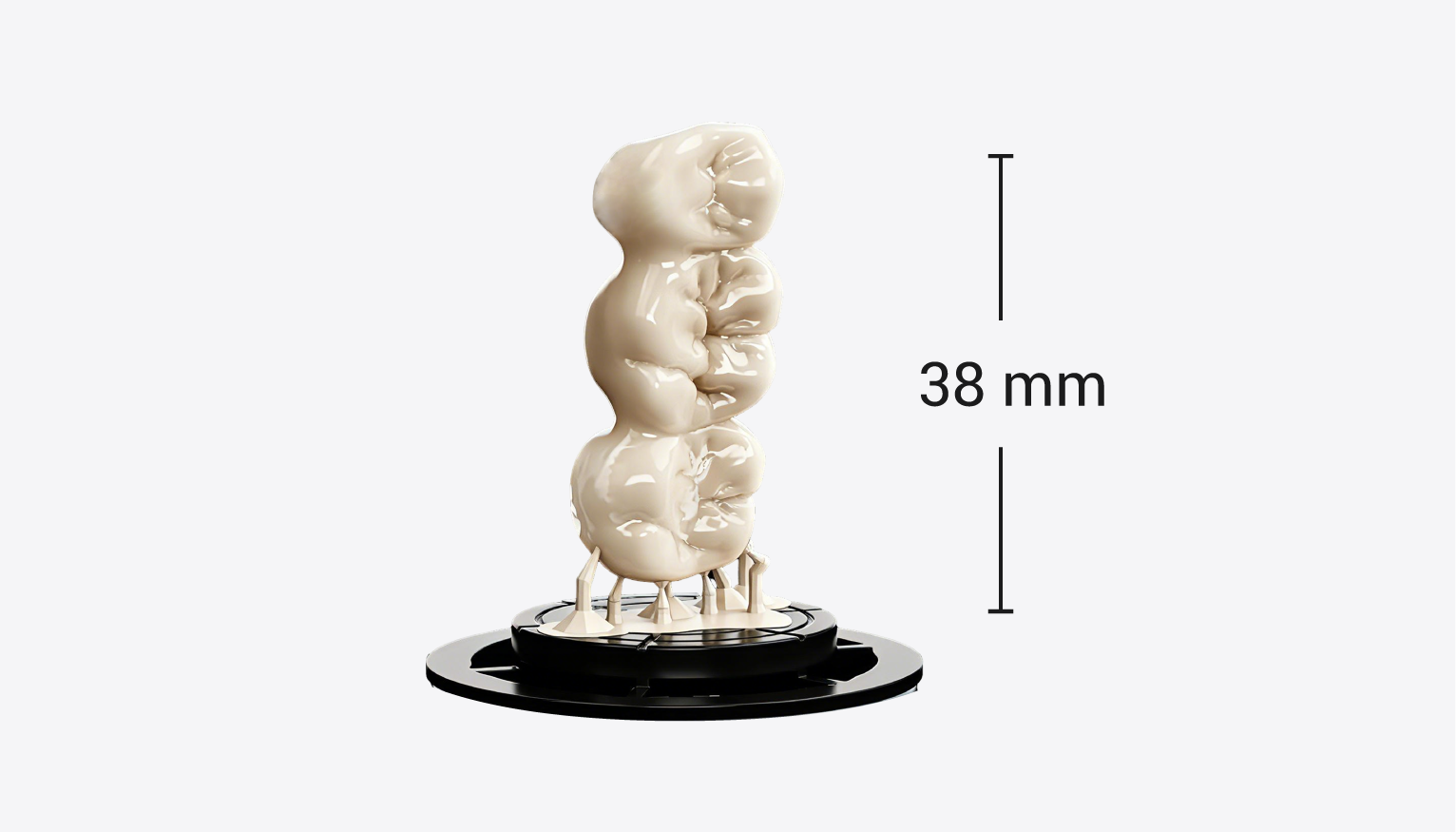
Speed isn’t just layer time. Evaluate how many clinically acceptable parts the printer produces per shift, including post-processing steps. Consider stacking strategies and whether smaller parts can be nested without sacrificing quality. Faster print cycles only help if post-cure, wash, and finishing keep pace.
Service, training, and real operational support
Machines need upkeep. Look for vendors that provide clear service plans, quick access to replacement parts, and on-site or remote training for technicians. Trustworthy support shortens downtime and prevents a single failure from halting production.
Common mistakes labs make
Buying the highest advertised resolution without testing true fit and translucency. Underestimating consumable and maintenance costs. Neglecting to validate parts against clinical tolerances. Assuming “plug-and-play” eliminates the need for staff training. Each error adds time or risk; avoid them by running pilot cases before committing.
Real-world anchor: where chairside needs met reality
I’ve seen technology decisions change at industry gatherings like IDS in Cologne, where clinicians and lab owners assess chairside capabilities side by side; that practical benchmarking is where you see the difference between lab-only systems and fast, reliable chairside 3d printing workflows. Those comparisons—actual printed guides, same-day temporaries tested in a clinical area—reveal what will survive a busy practice schedule.
SLA, DLP, or LCD — which fits your practice?
SLA gives smooth surfaces and proven accuracy but can be slower and more maintenance-heavy. DLP/LCD systems often yield faster prints at competitive accuracy and lower per-part cost. Match the technology to your throughput needs and finish requirements; don’t pick based on brand buzz alone.
How to pilot before you buy
Run a three-week pilot: print a representative set of parts, track time from file to ready-to-seat, log hourly yields, and record any rework. Involve at least one clinician in fit checks. That evidence will expose weak links—material handling, postprocessing, or software—and protect you from surprises.
Final synthesis
Choose the machine that reduces the specific friction in your lab: parts that fit without rework, predictable materials, and support that responds. When those pieces align, the printer becomes a dependable part of clinical care rather than an occasional experiment—an outcome I’ve seen repeatedly achieved through careful comparison and practical testing with partners like SHINING 3D DENTAL.