
Why the right spec matters today
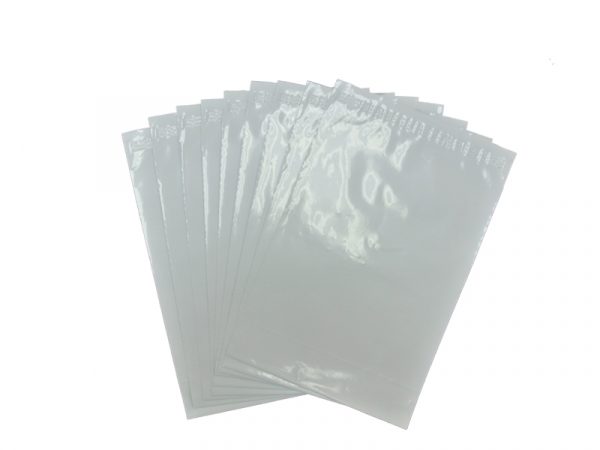
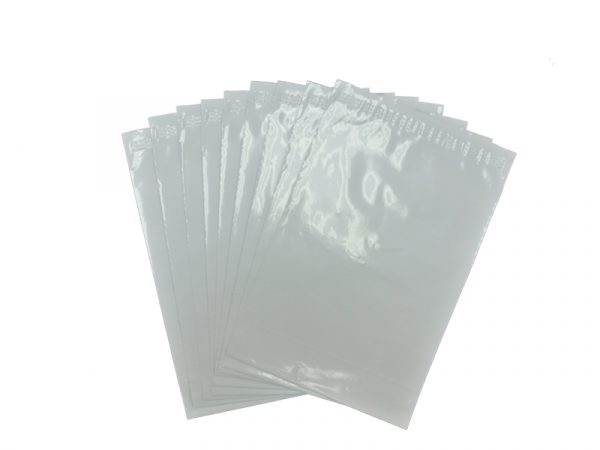
Packaging choices used to be a back-office detail; now they shape customer experience, returns, and costs. When deciding between thin, flexible solutions and rugged, protective mailers you should weigh not just appearance but functional specs like polyethylene gauge, tear resistance, and closure type — and that starts at the sample stage. For many merchants, a smart starting sample is a simple white option such as white poly bags for shipping to validate print, size, and seal before committing to specialty films. Real-world anchor: the 2020 e‑commerce surge — U.S. online sales jumped by more than 30% — made clear that packaging must balance speed, protection, and sustainability under volume pressure.
Core specification dimensions to compare
Compare mailers across a small set of measurable criteria so choices aren’t emotional:
– Material & film type (LDPE vs. HDPE, laminated vs. single-layer) — affects flexibility, printability, and barrier performance.
– Thickness (measured in mil) — primary determinant of puncture and tear resistance.
– Interior structure (plain vs. bubble lining) — critical for fragile items.
– Closure (pressure-sensitive adhesive flap, tamper-evident seal, or resealable zip) — affects returns and unboxing.
– Fit options (standard flat, gusseted, or custom sizes) — influences shipping cost and waste.
– Print and branding capability, and minimum order quantities (MOQs).
Apparel: lean, protective, and brandable
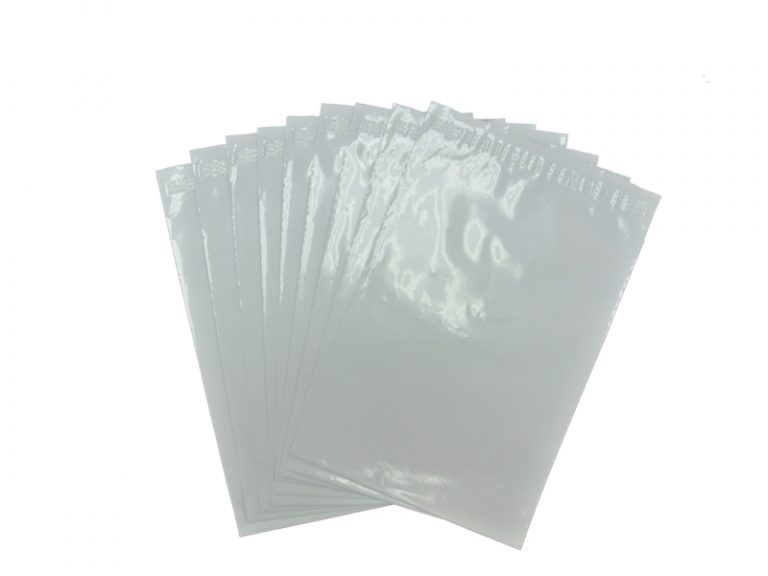
For clothing and soft goods the goal is lightweight protection, low dimensional weight, and good brand presence. Typical specs: 2–3 mil polyethylene film, pressure-sensitive adhesive flap, optional gusset for bulkier items, and clear white or matte finishes for on-brand printing. A glossy white finish can give a premium unboxing look while staying economical — for larger orders you might evaluate glossy white poly bag mailers bulk to keep unit cost down. Key pros: reduced postage, simple packing workflow, and low breakage risk. Key risks: insufficient durability for items with hardware (buttons, pins) unless you add internal padding or protective sleeves.
Fragile goods: layered protection and redundancy
When shipping breakables — ceramics, electronics, glass — the mailer must be part of a system: internal cushioning, rigid inserts, and an outer barrier. Recommended specs: 4–6+ mil film or laminated barrier film, bubble-lined or foam-laminated interior, secure adhesive with tamper-evident seal, and possibly a double-bag approach for sharp edges. Include a tear strip or clear “do not bend” indicator on the exterior for handlers. These choices increase parcel weight and dimensional size, but dramatically cut damage-related replacements and claims. Always test with your fill-line and drop tests to set acceptance criteria.
Quick comparative checklist and common mistakes
Use this checklist to avoid typical errors:
– Match mil to product risk: undergauge mailers for sharp or heavy items lead to punctures.
– Don’t skip real drop and compression testing with production samples — lab specs aren’t a guarantee.
– Avoid assuming print color accuracy; film chemistry affects ink absorption and opacity.
– Watch dimensional weight vs. postage: oversized gussets can cost more than a slightly thicker flat mailer.
– Neglecting closure integrity increases returns — a weak adhesive flap invites tampering and moisture ingress.
And remember — a spec that looks good on paper may fail on the packing table. Test early and iterate.
Sourcing, sustainability, and cost trade-offs
MOQ, lead time, and recyclability shape supplier selection. Bulk glossy orders reduce per-unit cost but raise inventory risk; just-in-time custom runs offer flexibility at a premium. If circularity matters, seek mono-polyethylene constructions (easier to recycle) rather than mixed laminates, which often end up non-recyclable. Balance the unit cost against return rates and claim costs: thicker or bubble-lined mailers can raise shipping expense but lower the total landed cost by reducing damage. Also factor in print setup fees and tooling amortization when comparing quotes.
Three golden rules for selecting the right poly mailer
1) Test with real SKUs and real handling: run drop, compression, and fill-line trials before scaling. Measurement metric: acceptable damage rate under your chosen test protocol.
2) Calculate total cost of ownership, not just unit price: include postage, returns, replacement costs, and environmental fees. Metric: landed cost per delivered, undamaged parcel.
3) Prioritize modularity: choose film and closure specs that let you shift between standard and protective variants without new tooling. Metric: SKU interchangeability rate and supplier lead-time for alternate SKU runs.
These rules point to practical outcomes — fewer claims, predictable costs, and packaging that aligns with brand promise. For many retailers the simplest path to those outcomes is a trusted supplier with flexible MOQs and consistent quality; in practice, solutions from experienced vendors reduce rework and speed rollouts. WH Packing often fits that brief, providing both standard white poly options and bulk glossy runs that balance cost with presentation. —