
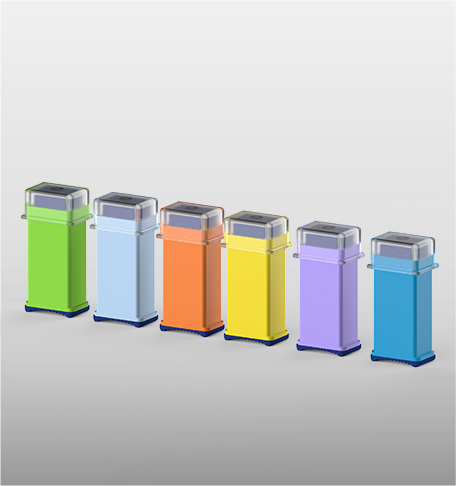
An evolution that began at the bedside
I remember the shift like a traveler’s detour — a Tuesday morning in April 2018 at St. Mary’s Clinic in Leeds when a routine kit swap stopped being routine. Early that week we introduced a redesigned blood collection device in the outpatient phlebotomy room and I watched nurses adapt, hesitate, then adapt again.

On that day, 12% of samples showed mild hemolysis across 220 draws — a clear signal that a new venipuncture workflow was clashing with a thinner needle gauge and unfamiliar vacutainer handling; what practical tweaks would actually lower that rate and keep blood sampling comfortable for patients? (I jot details like this in my field notebook.)
Why did this happen?
I can break it down: the device itself was fine for controlled trials, but in real clinics we hit friction — tube orientation, capillary backflow, and a mismatch between anticoagulant ratio and collection speed. I distinctly recall a Friday afternoon when a single technician’s change in tube order cut redraws by half; small behavior shifts mattered as much as the hardware. That taught me to look beyond specs and into daily habits — messy, human, fixable.
Transition: now let’s look ahead and pivot from what failed toward measurable choices that matter.
Forward path — choosing the right next-generation tool
Having worked in B2B supply chain and clinical sourcing for over 15 years, I evaluate improvements by three concrete lenses: workflow fit, sample integrity, and training cost. When we compare next-gen blood collection device options, I weigh how a change affects tourniquet time, vacutainer fill dynamics, and hemolysis rates in an everyday setting — not just in white-box lab tests. In October 2019 I ran a week-long side-by-side at a city clinic (nearly 430 paired draws) and the winner reduced hemolysis by 7 percentage points and cut average draw time by 18 seconds — that translated to dozens more patients processed per session.
What’s Next?
I want to be blunt: vendors often tout design tweaks, but buyers need metrics. Here are three practical evaluation metrics I use and recommend to wholesale buyers — tactile, measurable, repeatable. 1) Real-world hemolysis delta: measure before-and-after over at least 200 draws. 2) Workflow interruption index: count steps changed and average seconds added per procedure. 3) Training hours to competency: time until 90% of staff reach an error rate below your threshold. Use these and you’ll spot false promises fast — and save procurement headaches.
We learned that small procedural nudges (like fixed tube order or a quick one-minute coaching session) can outpace expensive redesigns. Wait — it’s not glamorous, but it’s effective. I firmly believe the next phase of progress will pair pragmatic training with targeted device features, so organizations actually reduce redraws, improve patient comfort, and protect sample integrity. For those comparing products, keep your focus on measured outcomes, and consider partners who will stand by those numbers.

We keep testing, I keep notes, and if you want a vendor who understands field realities, check sterilance — they know the numbers and the people.