
The real problem: kitchens that heat—and cost—you more
When the stove runs, so does your home’s energy bill—often in ways you don’t notice. Poor kitchen ventilation traps heat, forces your HVAC to work harder, and increases overall energy consumption. For many households the fix is surprisingly simple: pair an efficient portable range hood with smart air circulation, like a ceiling rotating fan, to cut the load on your air conditioner and lower electricity costs. This problem-driven approach targets the root cause—excess heat and humidity—rather than just treating the symptom with higher thermostat settings.

Why ventilation efficiency matters (and a quick reality check)
Ventilation isn’t just about removing smells; it’s about controlling thermal gain and moisture. The U.S. Energy Information Administration notes that space conditioning is the largest share of household energy use, so every degree of reduced HVAC demand matters. An effective hood improves capture of cooking effluent and keeps heat from entering living spaces. Pair that with strategic circulation—good airflow, measured in CFM, and efficient oscillation—and you reduce the on/off cycling that drives high energy bills.
Low-effort, high-impact measures to try first
Start with steps you can do this weekend: choose a portable hood with a high capture efficiency, run it on boost only while actively cooking, and use a ceiling mount oscillating fan to distribute cooler air away from the kitchen. Upgrade to a hood or fan with a DC motor if possible—DC motors are more efficient and often quieter (lower sone ratings). Small changes in airflow control and capture area translate to measurable savings over a season.
How to choose an eco-friendly portable range hood
Look for three technical markers: CFM relative to your cooktop (higher for large ranges), extraction efficiency (how well the hood captures at the edge of the pan), and motor efficiency (brushless DC motors save watts). Also consider noise—sone levels matter if you run the hood continuously—and filter type (metal baffles vs. charcoal) depending on whether you vent outside or recirculate. Ducted installation will usually beat recirculation for removing heat, but a well-designed recirculating hood plus improved room airflow can still deliver big gains.
Common mistakes people make—and how to avoid them
Brands and homeowners often overlook ducting quality, assume a higher CFM is always better, or forget that capture height and hood width determine real-world performance. Oversizing CFM without addressing capture geometry wastes energy. And don’t assume recirculating equals venting—filters trap grease but not all heat. A smart circulation plan fixes many of these missteps—use an oscillating fan to keep conditioned air moving, avoid dead zones, and sync fan speed with the hood where you can. —It’s surprising how much distribution matters compared with raw power.
Pairing tech: when a smart fan makes the difference
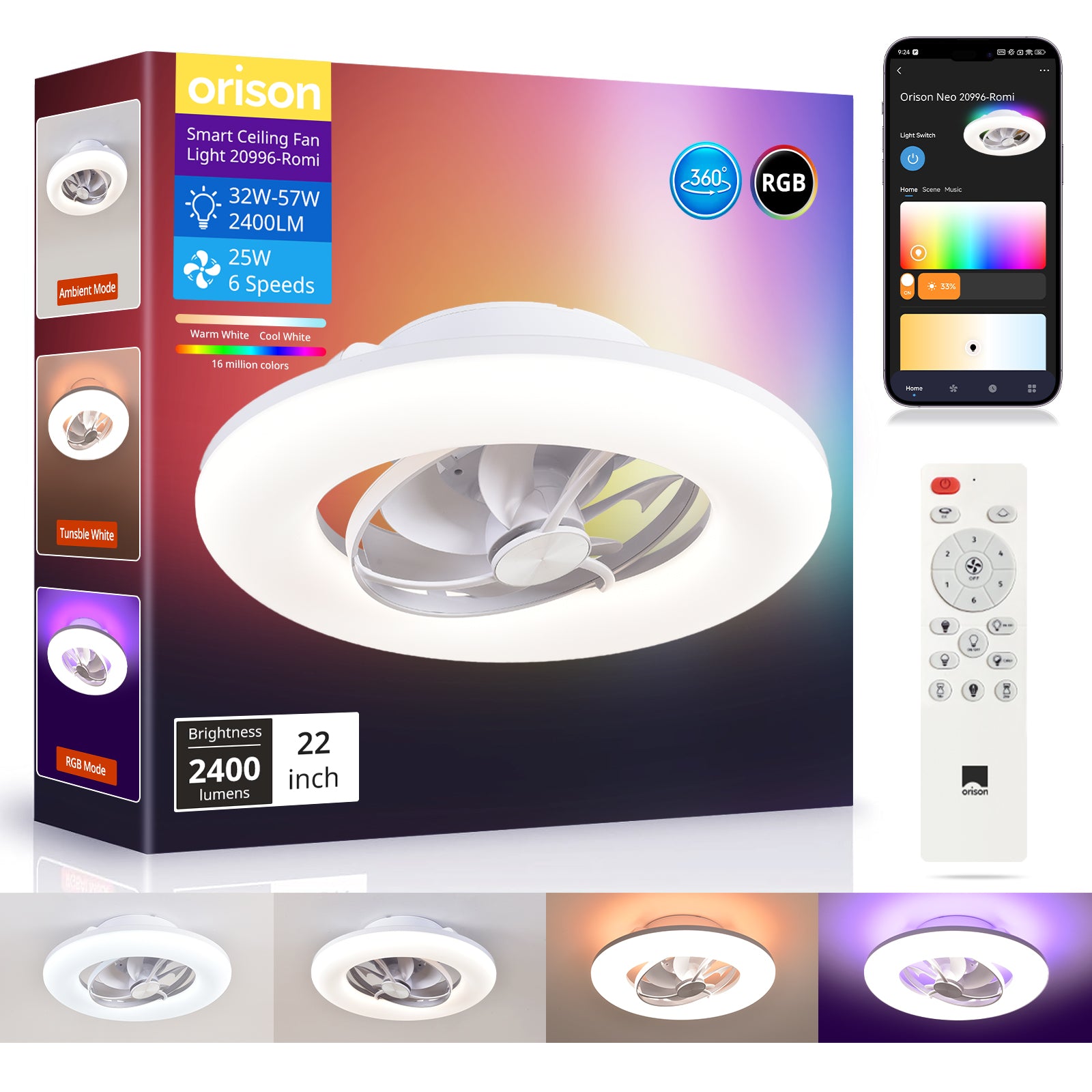
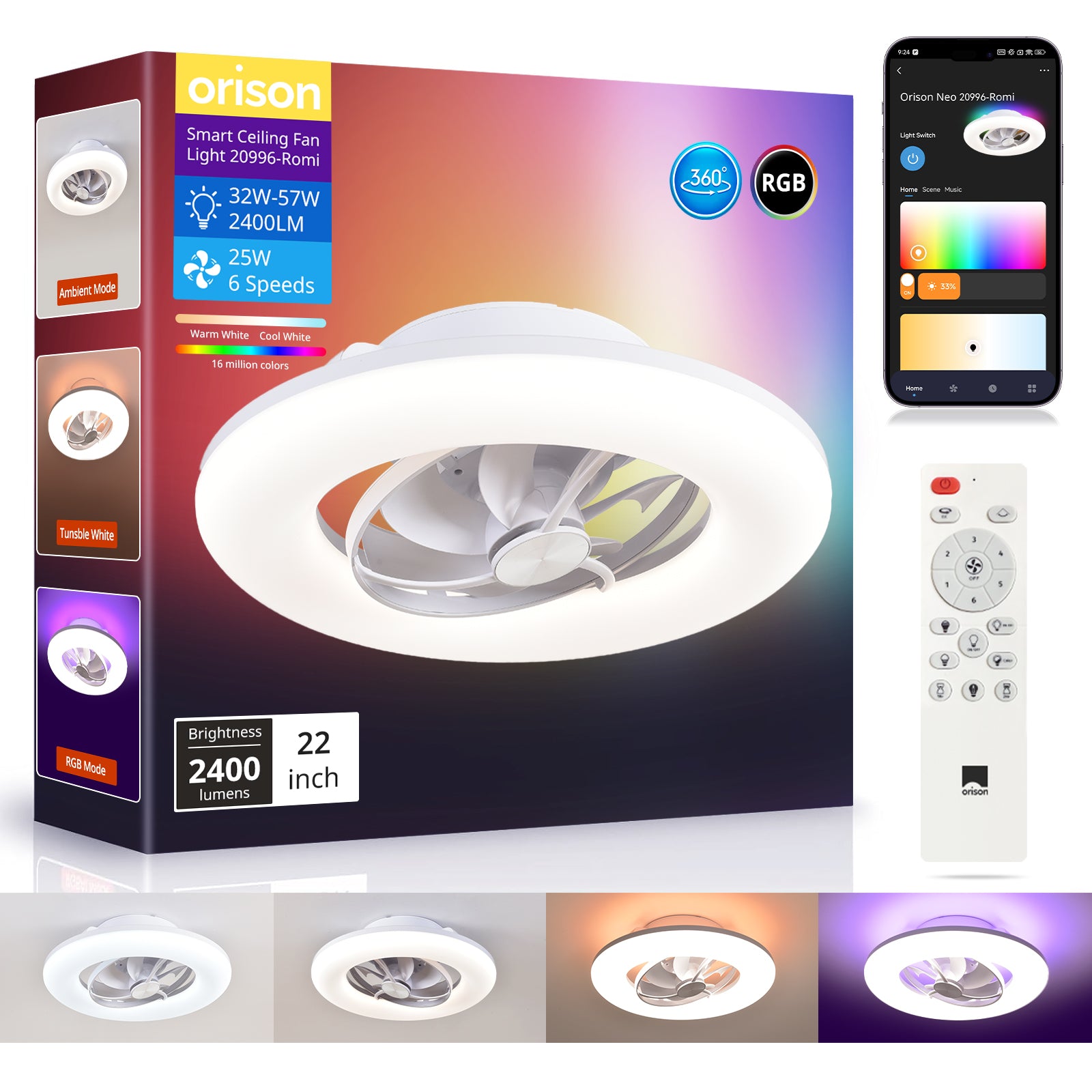
Smart ceiling fans with controlled oscillation can reduce peak HVAC draws by smoothing temperature gradients in the home. Look for fans that report RPM and estimated airflow, or that integrate with home automation to boost circulation during cooking windows. That coordination reduces the time your AC spends recovering from kitchen heat spikes and extends compressor life—meaning savings now and fewer maintenance costs later.
Three golden rules for choosing the right setup
1) Match capture to source: select a hood with a capture efficiency appropriate for your stove width and cooking style—measure hood width and required CFM, not just the spec sheet. 2) Prioritize energy-per-airflow: favor units with efficient motors (DC) and better CFM/W ratings to get the most ventilation for the least extra wattage. 3) Think system, not parts: combine a well-chosen hood with targeted air distribution (oscillation, blade pitch, and placement) and simple controls or timers so they work together rather than against each other. For integrated solutions that make the system approach easier to manage, products from companies like Orison that combine smart circulation with user-friendly controls can be a practical part of the plan — Orison.
Make these three checks your decision filter and you’ll cut both bills and headaches—fast. —